

Uzbekistan establishes specialized nuclear classes at two academic lyceums in Tashkent
Uzbekistan's NRNU MEPhI branch in Tashkent is establishing specialized nuclear classes at two academic lyceums to prepare students for careers in the country's nuclear energy sector through advanced studies in physics, mathematics and computer science, practical exposure to nuclear technologies, career guidance and targeted preparation for university admission.
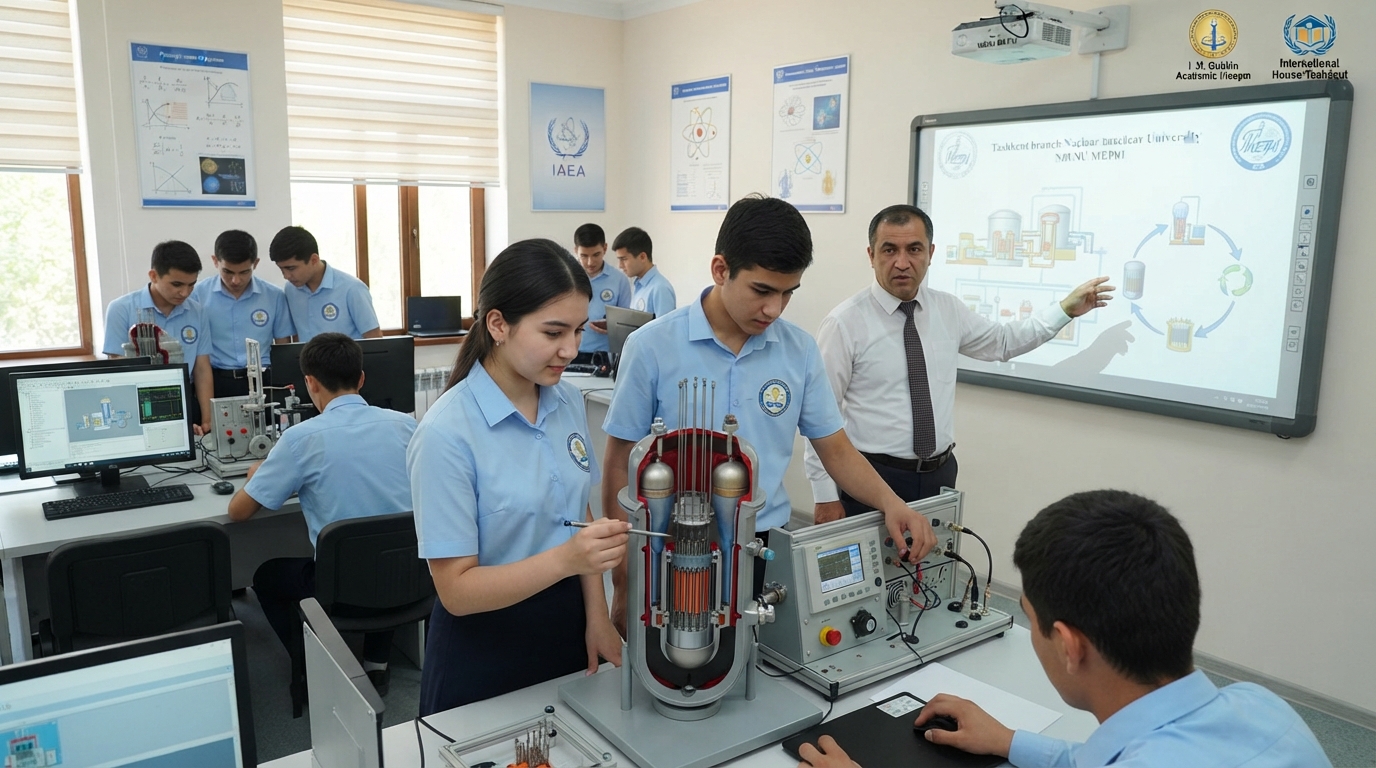
Uzbekistan has launched specialized nuclear classes at two academic lyceums in Tashkent
The Tashkent branch of the National Research Nuclear University MEPhI (NRNU MEPhI) is broadening its cooperation with educational institutions in the capital by creating specialized nuclear classes designed to prepare students for careers in Uzbekistan's nuclear energy sector.
The project includes the I. M. Gubkin Academic Lyceum, affiliated with the Gubkin Russian State University of Oil and Gas, and the International House-Tashkent Academic Lyceum, affiliated with the Tashkent Institute of Irrigation and Agricultural Mechanization Engineers.
Memorandums of understanding have been signed to establish long-term cooperation on the specialized training of secondary school students. The curriculum will feature advanced instruction in physics, mathematics and computer science, as well as practical exposure to modern nuclear energy technologies. Students will also be able to attend lectures and seminars led by industry experts, participate in academic Olympiads, take part in career-focused meetings and join scientific and educational projects.
The program also includes targeted preparation for admission to the Tashkent branch of NRNU MEPhI. The creation of specialized nuclear classes is connected to the growth of nuclear energy and the national nuclear infrastructure in Uzbekistan. The initiative is aimed at training future specialists who understand operational safety, technological fundamentals and the peaceful use of atomic energy.
It also draws on international experience in early specialized academic training, including youth engagement and nuclear education approaches associated with the International Atomic Energy Agency (IAEA). In France, preparatory classes have long been used to train engineers for the nuclear industry. In South Korea and China, technical education starting at school level supports the construction and operation of nuclear power plants.
In the United States and other countries, secondary education centered on physics, mathematics and engineering lays the groundwork for further study in nuclear-related fields. According to the information provided, graduates of specialized educational programs achieve strong academic results, are more likely to choose nuclear and engineering disciplines, perform well in internships and adapt more quickly to professional settings.
Such specialists help staff nuclear power plants, design organizations and research centers, supporting both the operation of existing facilities and the development of new projects. Early career guidance is also seen as a way to ease personnel shortages and build a safety culture in countries expanding their nuclear energy sectors.