

The position of an internal affairs officer may be introduced in private educational institutions
To prevent bullying, violence, drug addiction, and delinquency in private schools and other educational institutions, it has been proposed to introduce positions for internal affairs officers. This is provided for by a draft resolution prepared by the Ministry of Internal Affairs.
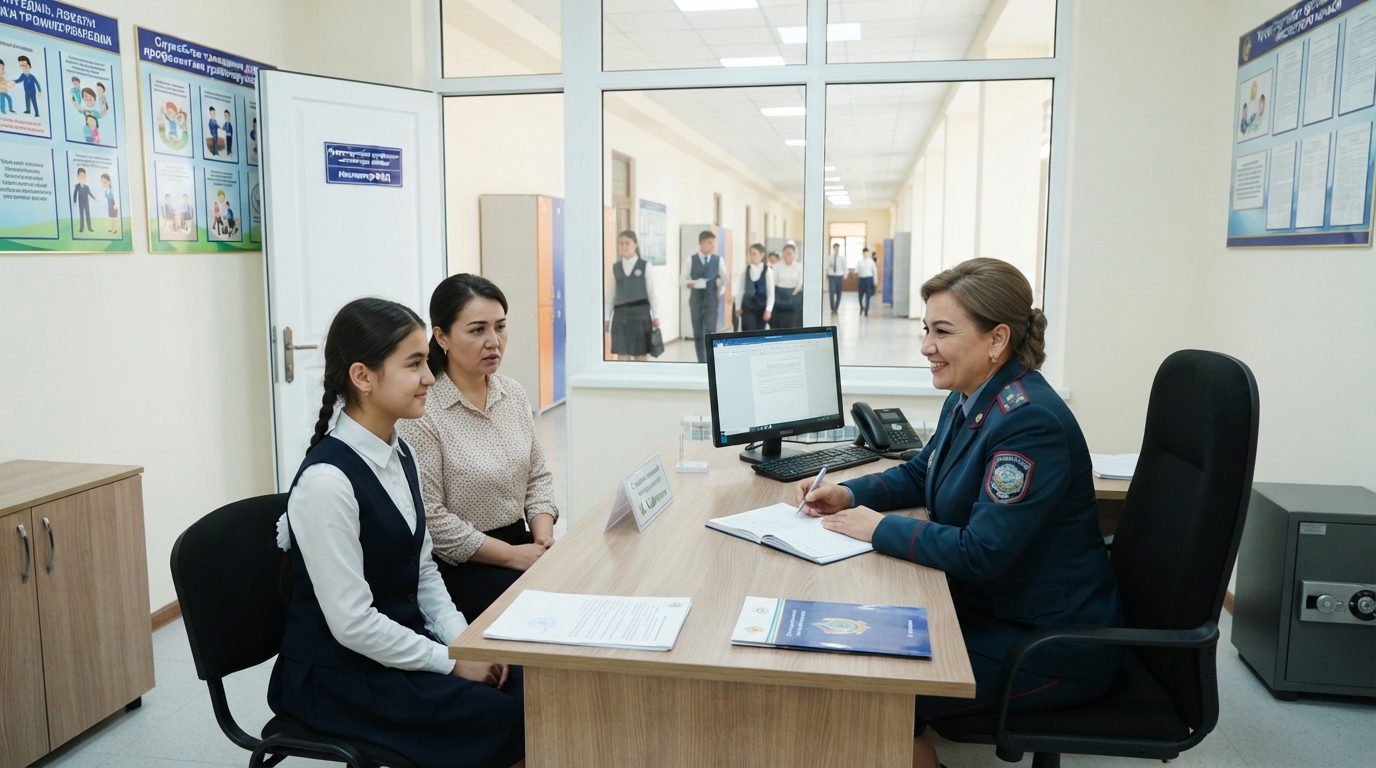
In private educational institutions, the position of an internal affairs officer may be introduced
It has been proposed to introduce the position of an internal affairs officer in non-governmental (private) educational organizations to prevent offenses. This is provided for by a draft resolution of the Cabinet of Ministers prepared by the Ministry of Internal Affairs. The document has been published on the portal for discussing draft regulatory legal acts.
According to the draft, starting from September 1, 2026, it is proposed to allow the creation of new staff positions in non-governmental educational organizations at the expense of the institutions themselves.
The draft provides for the introduction of the position of senior prevention inspector and senior inspector for women's issues in higher educational institutions, and in institutions of secondary and secondary specialized education — the position of (senior) inspector-psychologist for juvenile affairs.
The main tasks of the inspector include the prevention among pupils and students of offenses, violence, bullying, drug addiction, and the influence of extremist ideas. They will also participate in identifying and eliminating factors contributing to offenses.
The draft document also provides for measures to ensure the rights and safety of students subjected to pressure and violence.
According to the draft, non-governmental educational organizations will have to allocate office premises for internal affairs officers, repair them, and equip them with furniture, communications, and a computer.
Discussion of the draft will last until November 3.