

The Cinematography Agency to be abolished and "Uzbekfilm" to be reformed in Uzbekistan
Uzbekistan to liquidate Cinematography Agency and reform Uzbekfilm
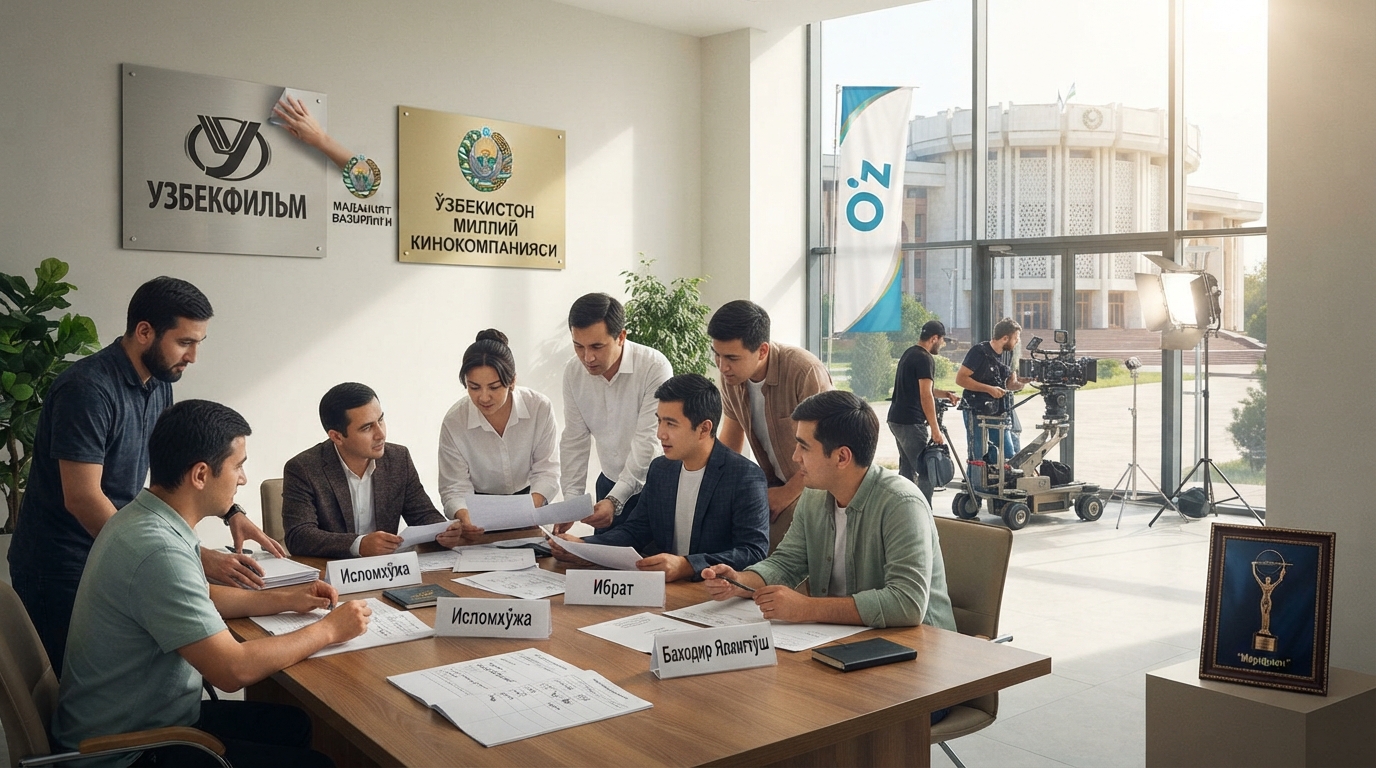
Uzbekistan will change the management system of the film industry: the Cinematography Agency will be abolished, its powers to implement state policy will be transferred to the Ministry of Culture, and film production will be handed over to private companies. A national film company will be created on the basis of the Uzbekfilm film studio, which will select and finance projects, promote them, and bring them to the international market.
President Shavkat Mirziyoyev announced this on October 26 at a meeting with representatives of the film industry.
A film art department will appear within the Ministry of Culture. Its head will receive a status comparable to that of a deputy minister. One month has been allocated to organize the work of the new department and ensure the liquidation of the Cinematography Agency and its subordinate organizations.
The changes will also affect the Uzbekfilm film studio. The state institution will be transformed into a national film company that will operate under a modern business model. It will become the center for the development of the national film brand and the modern film industry, but it will not produce films independently. The company is instructed to launch its operations within a week.
The new structure will take on the selection and financing of film projects, the promotion and distribution of pictures, as well as their entry into international markets and film festivals. The film production itself will be transferred to private companies.
Mirziyoyev emphasized that the current state order system does not meet the requirements of the modern film industry. According to him, individual directors were assigned up to six projects, and authors — up to seven. At the same time, almost half of the orders went to state film studios, which restrained the ability of private filmmakers to compete on equal terms.
As a result, the president noted, instead of working on strong scripts and high-quality films, completing the order as quickly as possible often became the main focus. He also pointed out the importance of taking into account the opinion of professional film critics, since objective analysis helps authors find flaws and improve their work.
The head of state placed special emphasis on distribution — the promotion and dissemination of films, which ensures their path from production to the viewer. According to him, viewers still go to cinemas for foreign films, while national films do not always meet their expectations yet.
The president also stated that cinema has turned into a "soft power" tool capable of strengthening the country's international prestige and introducing other nations to its history and culture. He called on filmmakers to make movies not only about historical figures, but also about modern heroes — teachers, doctors, athletes, military personnel, entrepreneurs, and youth.
"To realize one's identity and tell one's own story to the world in one's own voice" — this is how Mirziyoyev formulated the idea of "O‘z" as applied to national cinema.
The successes of Uzbek cinema in recent years were also noted at the meeting. Among the historical films created during this period, "Islomxo‘ja", "Ibrat", "Avloniy", "Abdulla Qodiriy", "Qo‘qon shamoli", "Muqimiy", "Ilhaq", "O‘zbek qizi", and "Bahodir Yalangto‘sh" were named.
Another reason for recognizing the achievements of national cinema was the international recognition of Uzbek artists. Actress Gulchehra Jamilova received the "Meridian" award at the ceremony of the international "Golden Globe" film award, which was held in Tashkent for the first time for filmmakers from Central Asia and the Caucasus.