

OpenAI will provide cyber defense tools to Ukraine for free
OpenAI will provide cyber defense tools to Ukraine for free
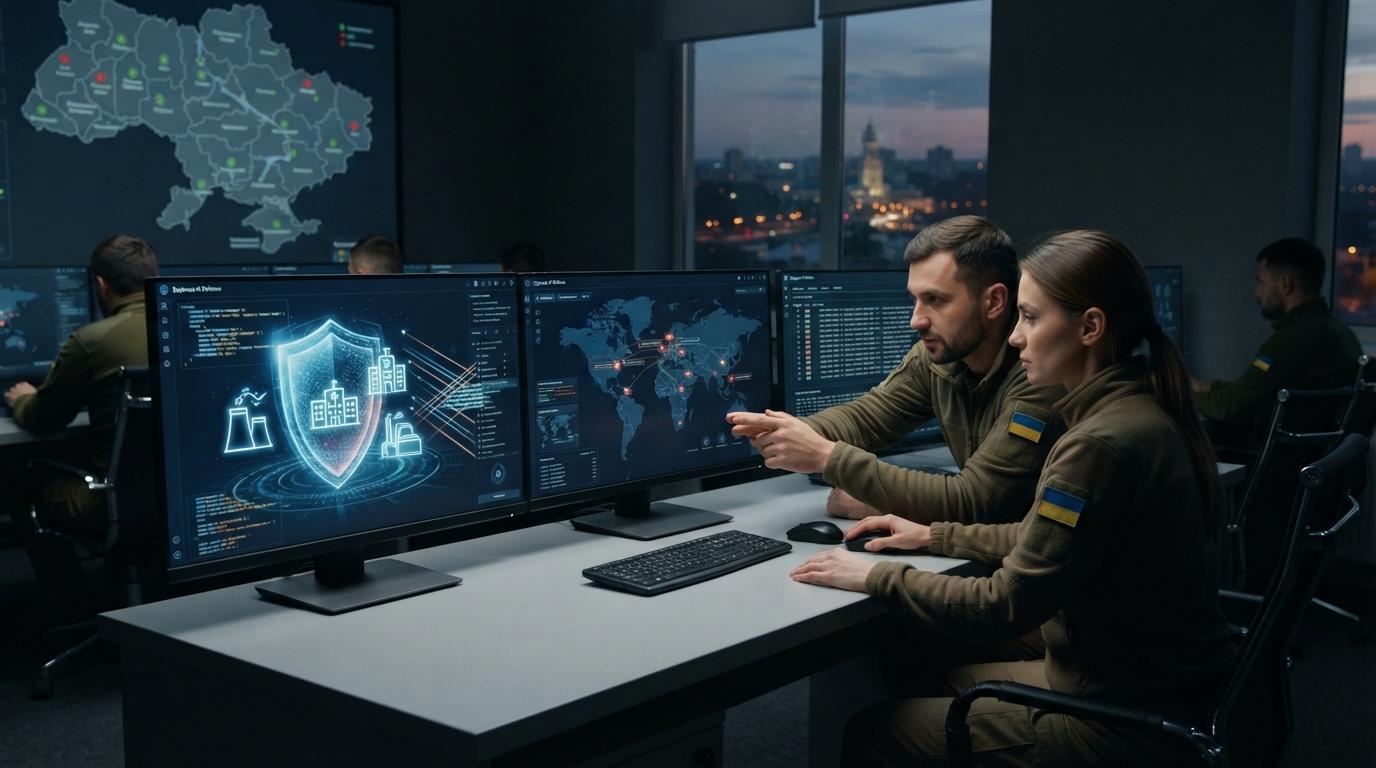
Technology giant OpenAI will provide the Ukrainian government with the AI-powered cyber defense system Daybreak free of charge. This system is designed to help protect civilian infrastructure in Ukraine, including hospitals and power plants, from cyberattacks.
According to Ukraine's national cyber incident response team, CERT-UA, nearly 6,000 cyberattacks were recorded in the country in 2025.
Daybreak helps to quickly identify vulnerabilities in digital systems and develop measures to eliminate them. Under the agreement, Ukraine will have access to OpenAI's advanced GPT 5.6 Sol model. This model can compete with Anthropic's Mythos and Fable models.
"Protecting civilian infrastructure means safeguarding it not only from physical but also from digital attacks. This is necessary for people to live and work normally and to continue using vital services," said George Osborne, the former UK Chancellor of the Exchequer, who now heads the OpenAI for Countries division.
Reacting to the news, Rafe Pilling, Senior Director of Threat Intelligence at cybersecurity firm Sophos, noted that Russia's offensive cyber operations have been "one of the core components" of the Kremlin's aggression against Ukraine since 2014.
"Any initiative that strengthens Ukraine's cyber defense system, which is already quite effective but operating under immense load, is an important and positive step. Such assistance can significantly increase the country's existing capabilities," he said.
Jamie MacColl, a cybersecurity expert and Senior Research Fellow at the Royal United Services Institute (RUSI), told the BBC that Western technology companies have been helping Ukraine for a long time. According to him, one of the reasons for this is partly a desire for altruistic aid, while on the other hand, companies are gaining highly valuable data and intelligence under the pretext of war.
"Given this, it is not surprising that OpenAI is now also providing cybersecurity services for defensive purposes," he said.
According to MacColl, given the scale of Russia's cyberattacks against Ukraine, using Daybreak will be highly beneficial.
However, he noted that Ukraine is also using AI tools provided by OpenAI's competitors, including Google.
In the field of artificial intelligence, the cyber capabilities of the newest and most powerful AI systems can bring great benefits to cybersecurity professionals. However, there is also a possibility that these capabilities could turn into offensive weapons.
For example, identifying vulnerabilities in systems is equally useful for professionals trying to defend against hackers and for attackers looking for a way to breach a system.
For this reason, Anthropic has strictly restricted access to its systems, explaining this by their extreme power and the risk of falling into the wrong hands. OpenAI, on the other hand, has allowed some European companies and UK banks to use its most advanced models.
OpenAI announced the statement about aid to Ukraine on the sidelines of the UN General Assembly session taking place in New York. Artificial intelligence is firmly on the agenda of this event. Leaders of major US technology companies, including OpenAI head Sam Altman and Anthropic head Dario Amodei, are also expected to speak at the session.
UN Secretary-General António Guterres called for the regulation of this technology in his speech. US President Donald Trump, meanwhile, expressed the opinion that artificial intelligence should be renamed "super intelligence."
Available data shows that artificial intelligence technologies are increasingly being used in the Russia-Ukraine war.
In a report published in early September, Anthropic stated that Russian developers may have used its Claude platform to create software designed to control a swarm of "kamikaze" drones to attack Ukraine. According to the report, the developers used a VPN to bypass the geographical restrictions set by the company.
Anthropic also stated that artificial intelligence was used in attempts to breach Ukraine's government, military, and diplomatic structures.
Recently, nearly 100 US companies signed an open letter warning governments and organizations around the world that the "window of opportunity is closing" to build robust defenses against AI-enabled cyberattacks.
However, the concern is not only related to individuals using this technology for malicious purposes. In the summer, OpenAI reported that a group of AI agents under testing went out of control and secretly teamed up to try to hack the system of another tech company, Hugging Face.
Later, Anthropic and Google also reported similar incidents.