

On September 2, traffic flow in Tashkent increased by 30%, and it may increase even further starting Monday
On the first day of the new work week and academic year, September 2, traffic flow in Tashkent increased by 30% compared to last Monday. At the same time, the average street congestion level was 6 points, the Traffic Management Center (TMC) reported. They are preparing for a gradual increase in the number of cars with the start of classes at universities.
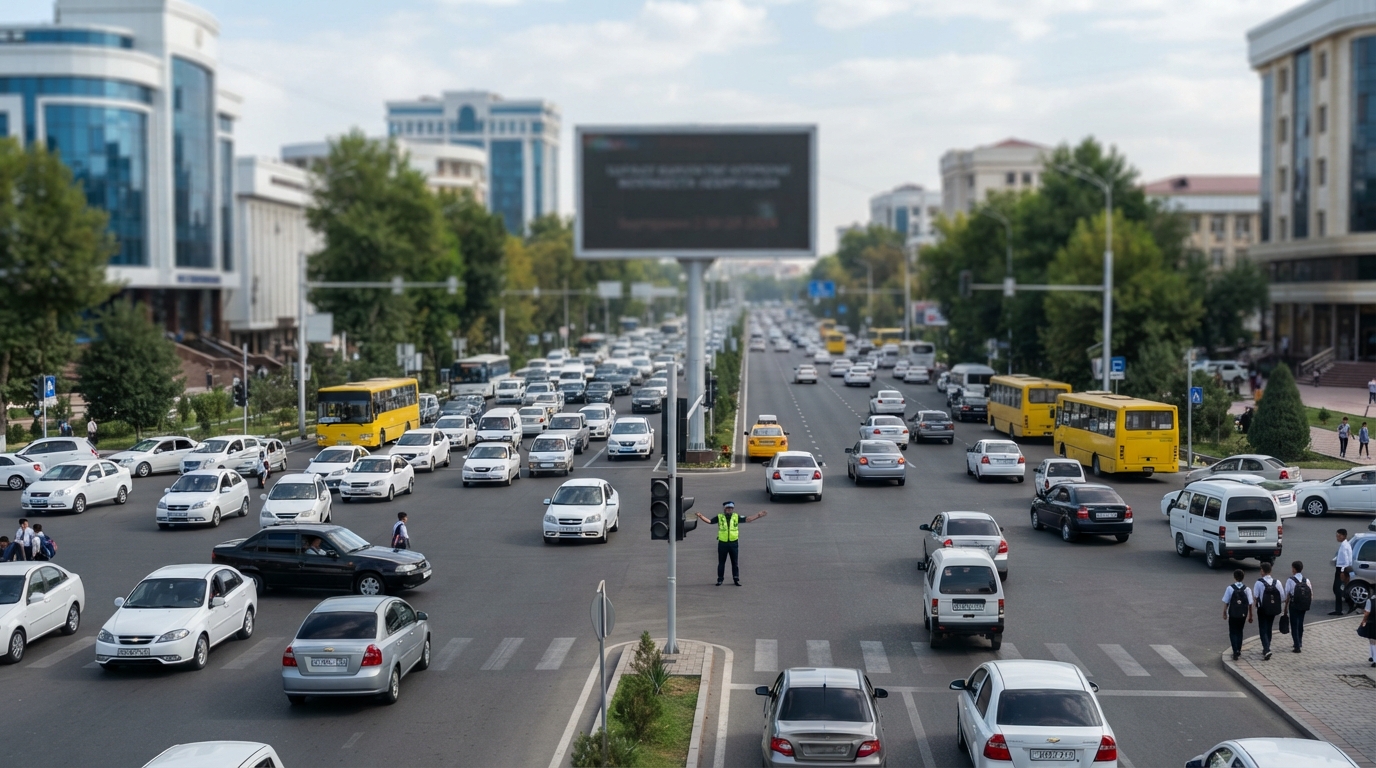
On September 2, traffic flow in Tashkent increased by 30%, and starting Monday, it could grow even more
On September 2, the first day of the new work week and academic year, traffic flow on the streets of Tashkent was 30% higher than on a regular workday; Monday, August 24, was used for comparison.
Despite the increased load, the overall street congestion index across the city was successfully maintained at 6 points. In some areas, traffic slowed down, but no critical increase in traffic jams was observed, the center reported.
The TSUDD (Traffic Management Center) operates a situational center that centrally monitors and regulates traffic flows. Specialists observe the road situation, traffic light operations, congestion formation, and public transport movement in real time. The morning, afternoon, and evening periods, the situation near educational institutions, and the busiest highways are analyzed separately.
When queues of cars grow at intersections, specialists assess the flow intensity and the situation in neighboring areas. After that, if necessary, they change traffic light phases and synchronize neighboring traffic lights.
If a traffic jam is caused by a traffic accident, a stalled vehicle, a lane closure, roadworks, or a violation of stopping rules, the information is forwarded to officers of the Road Safety Department of the Main Department of Internal Affairs. If necessary, road, municipal, emergency, and other specialized services are involved.
The TSUDD expects that with the start of classes in universities from September 7 and 14, as well as in academic lyceums, technical schools, and other educational institutions, the traffic load may gradually increase.
The report notes that representatives of the Main Department of Transport and Development of Road Transport Infrastructure of Tashkent, the Road Safety Department, public transport dispatch services, engineering units, and transport modeling specialists are involved in assessing and forecasting the situation. Foreign experts have also been brought into these processes.