

Olive oil given before glucose proved effective in diabetes
Kyoto University scientists found that giving mice olive oil 15 minutes before glucose reduced the sharp rise in blood sugar. The effect was also observed in mice with type 2 diabetes and severe insulin deficiency. Clinical trials are needed to confirm the result in humans.
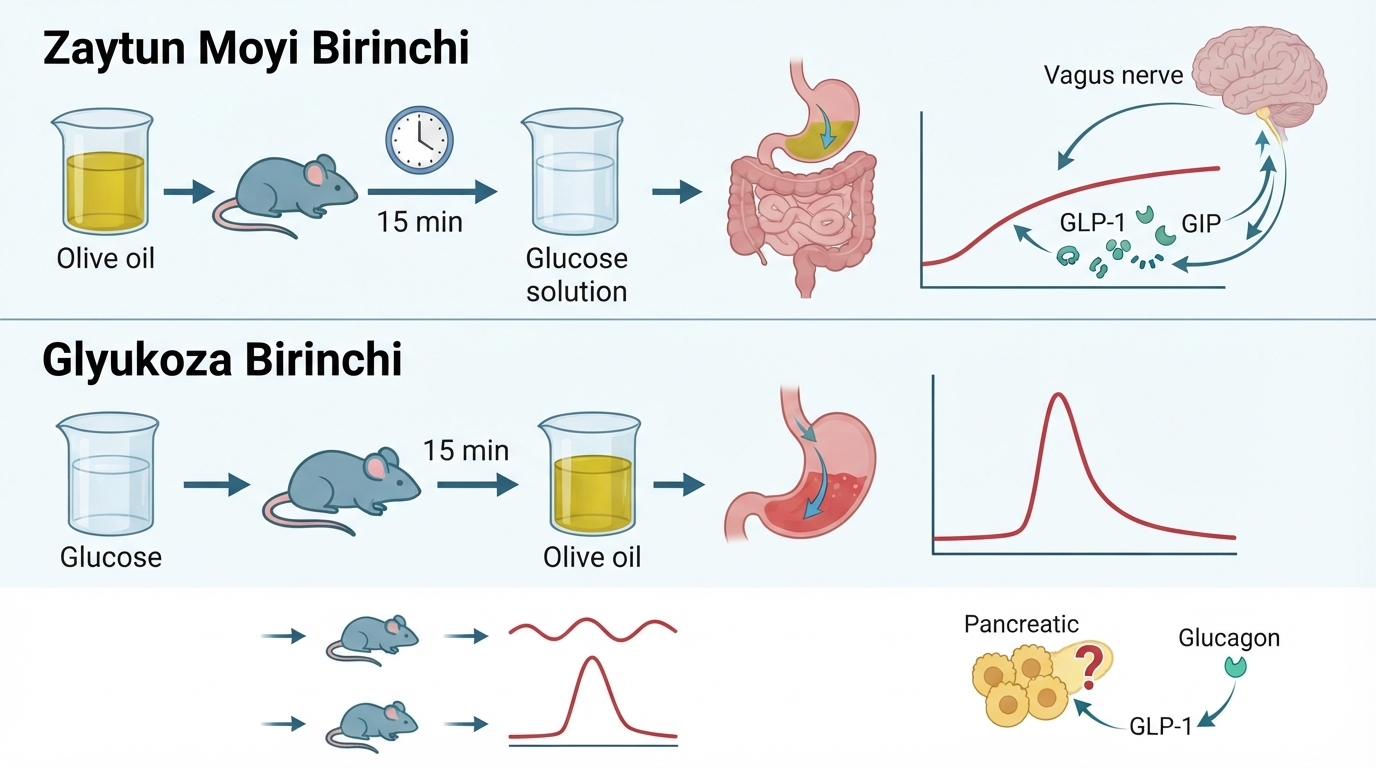
Olive oil given before glucose showed effectiveness in diabetes
Japanese researchers studied how the sequence in which foods are consumed alters the body's response to glucose.
During the experiment, one group of mice was given olive oil first, followed by glucose 15 minutes later. In the second group, this sequence was reversed.
Scientists found that giving the fat first slows down the gastric emptying process. As a result, glucose passed into the small intestine gradually, and blood sugar levels did not spike sharply.
Analyses showed that this effect was not limited merely to food staying in the stomach longer. Olive oil enhanced the secretion of the hormones GLP-1 and GIP in the intestine, and also activated the signal pathways of the vagus nerve connecting the brain to the digestive organs.
The role of the hormone glucagon in the study was also noteworthy. This hormone, usually associated with increasing blood sugar, helped to limit the sharp rise in glucose along with GLP-1 under the conditions of this experiment.
According to the authors, the identified mechanism helps to understand how the sequence of food consumption affects sugar levels.
However, the result observed in mice does not mean it will have the exact same effect in humans. Clinical trials aimed at evaluating the degree of effect, optimal amount, and safety for humans still need to be conducted. Therefore, this work cannot serve as a basis for recommending olive oil as a treatment for diabetes or as a substitute for medications.