

How is the US blockade affecting the Iranian economy?
Tehran, under a US military blockade, is experiencing a severe economic crisis. The country's national currency has collapsed to a record low, and inflation has reached 90 percent. Oil exports and foreign trade are also shrinking sharply. Before the war, Iran had more than 120 million barrels of oil in reservoirs outside the blockade line, but now this figure has dropped to approximately 10 million barrels.
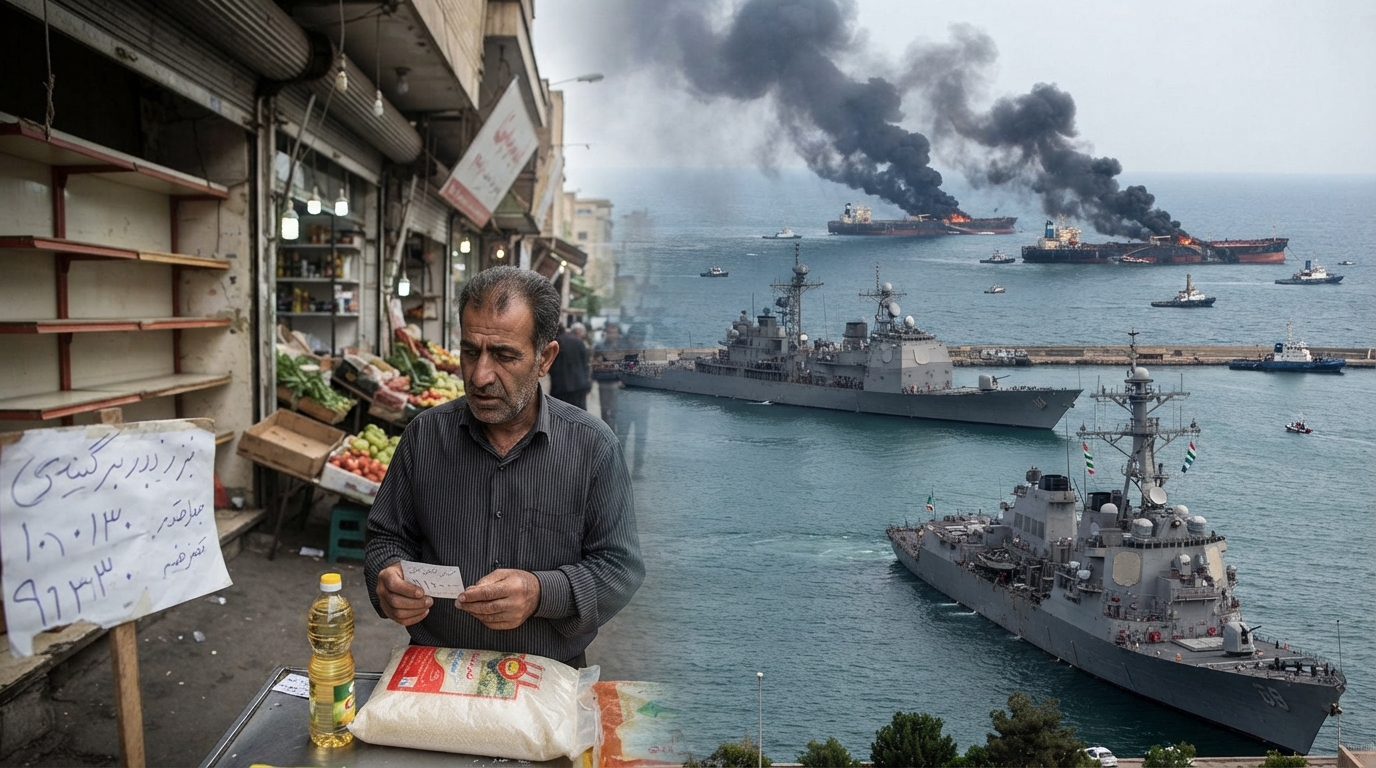
How is the US blockade affecting Iran's economy?
Answering questions about the difficult economic situation in the country, Abdolnaser Hemmati, the governor of the Central Bank of Iran, quoted a famous Persian proverb: "We count the chicks in the autumn." However, the preliminary estimates published based on the results of the first month of autumn look very tragic, writes
The national currency has depreciated sharply, and inflation has reached its highest level in the post-World War II period. Last month, for the first time since 1979, no oil shipments were dispatched. Economic crises are not new for Iran, but the current situation is far more severe. According to state media, even Mohsen Rezaee, a security official known for his grandiose statements, warned his colleagues that the country is going through one of the most difficult periods in its history. The US campaign to pressure Iran through sanctions and a military siege is yielding certain results. However, it remains unknown whether this pressure can force Iran to stop the war that has entered its eighth month, writes The Economist.
**The collapse of the rial and 90 percent inflation**
The Iranian rial continues to hit record lows, plunging to the bottom. Currently, one US dollar is trading at approximately 2.7 million rials. The national currency has lost half of its value this year alone. Last month, the Central Bank intervened in the domestic market with $2 billion in foreign currency. Although this slightly slowed the pace of depreciation, it failed to improve the situation.
The currency crisis led to a sharp increase in annual inflation, which reached 90 percent in September. Food and transport prices rose by more than 115 percent, and clothing by 97 percent. The prices of essential consumer goods such as vegetable oil, eggs, and rice have also surged by more than 200 percent. The nurses' association reported that many healthcare workers prefer to quit rather than work for a salary that has fallen to just $100 a month.
**Sanctions enforced by military force**
The US has previously imposed strict sanctions against Iran, but ways were always found to bypass them. Even in 2020—at the height of Donald Trump's "maximum pressure" campaign and the COVID-19 pandemic—Iran managed to sell more than 440,000 barrels of oil per day. But now Washington is enforcing sanctions with armed force: US warships are blockading Iranian ports, having disabled or sunk at least eight of the country's oil tankers in the past month alone.