

2 million rials per dollar: Iran's currency depreciates to record low
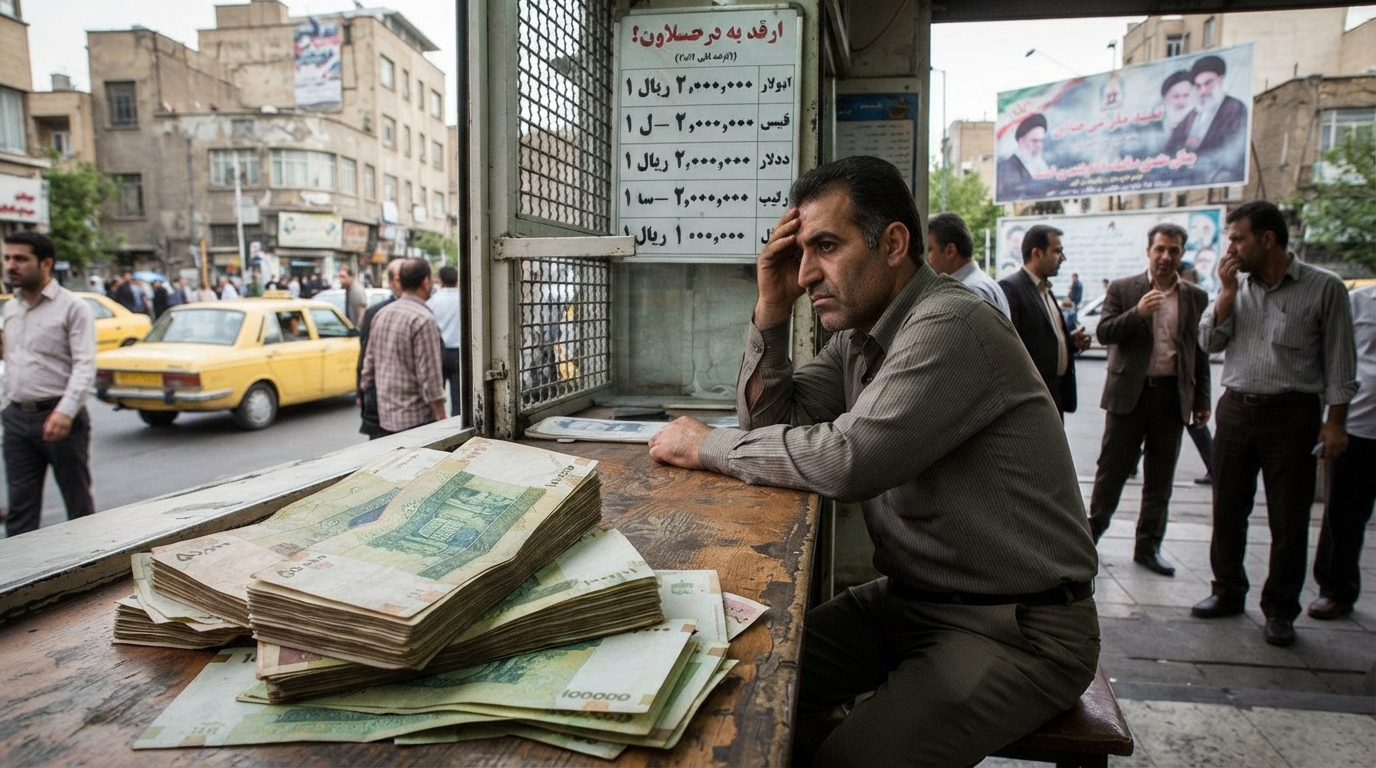
One dollar equals 2 million rials: Iran's currency depreciates to unprecedented levels.
The Iranian currency, the rial, depreciated to a record low on August 24 as the United States prepared to impose new sanctions. Washington called the measures "a day of economic disaster." According to AP News, the sanctions will further strain Iran's economy, which is already in dire straits due to previous restrictions and a naval blockade imposed by the United States.
As trading resumed on unofficial currency markets, the rate of 1 US dollar reached 2.02 million rials. Although the official rate of the Central Bank of Iran is about 1.5 million rials to the dollar, most Iranians use the unofficial rate.
The country's currency was already under pressure due to inflation and negative economic growth before the February 28 attack by the United States and Israel. The war, which has been going on for almost six months, has further aggravated the situation, causing new anti-records.
Nevertheless, Iran has not given in to US President Donald Trump. Tehran continues to strictly control the passage of ships through the Strait of Hormuz. Before the war, a fifth of the world's oil passed through this strait. During the war, Iranian attacks and threats have seriously hampered this movement.
Iran and Oman, which are located on the opposite side of the strait, are in the final stages of agreeing on a plan to jointly manage the waterway. According to regional officials, the plan involves ships entering the Persian Gulf through an Iranian-controlled route and leaving through an Omani-controlled route. Trump recently sharply criticized US ally Oman, threatening to bomb it if the country "gets in the way."
US Treasury Secretary Scott Bessent has vowed to impose tougher sanctions on Iran than are currently in place. The restrictions will include secondary sanctions on countries that continue to trade with Iran.
“Trump has destroyed the Iranian economy to the point where the riyal has never been weaker and inflation has never been higher,” Bessent told the Financial Times.
Last week, the United Arab Emirates suspended all trade with Iran. The announcement came a day after Trump called UAE leader Sheikh Mohammed bin Zayed al-Nahyan. The UAE has long been one of Iran’s largest trading partners and a major source of imports.
Following Bessent’s statement, Mohsen Rezaei, the hardline head of Iran’s Supreme National Security Council, issued a statement on his Twitter account. He said that any country's support for new US economic measures would be considered an "act of war."