

How independent from Iran are the Houthis who are attacking Saudi Arabia?
At a time when the US-Iran war has entered an inactive phase, the Houthis' attacks in Yemen against Saudi Arabia are escalating. Riyadh has military superiority, but fighting the Houthis, who are among the civilian population, is not easy. Although Tehran exerts influence over them, the group's independent decisions could potentially drag Iran into a confrontation it does not want.
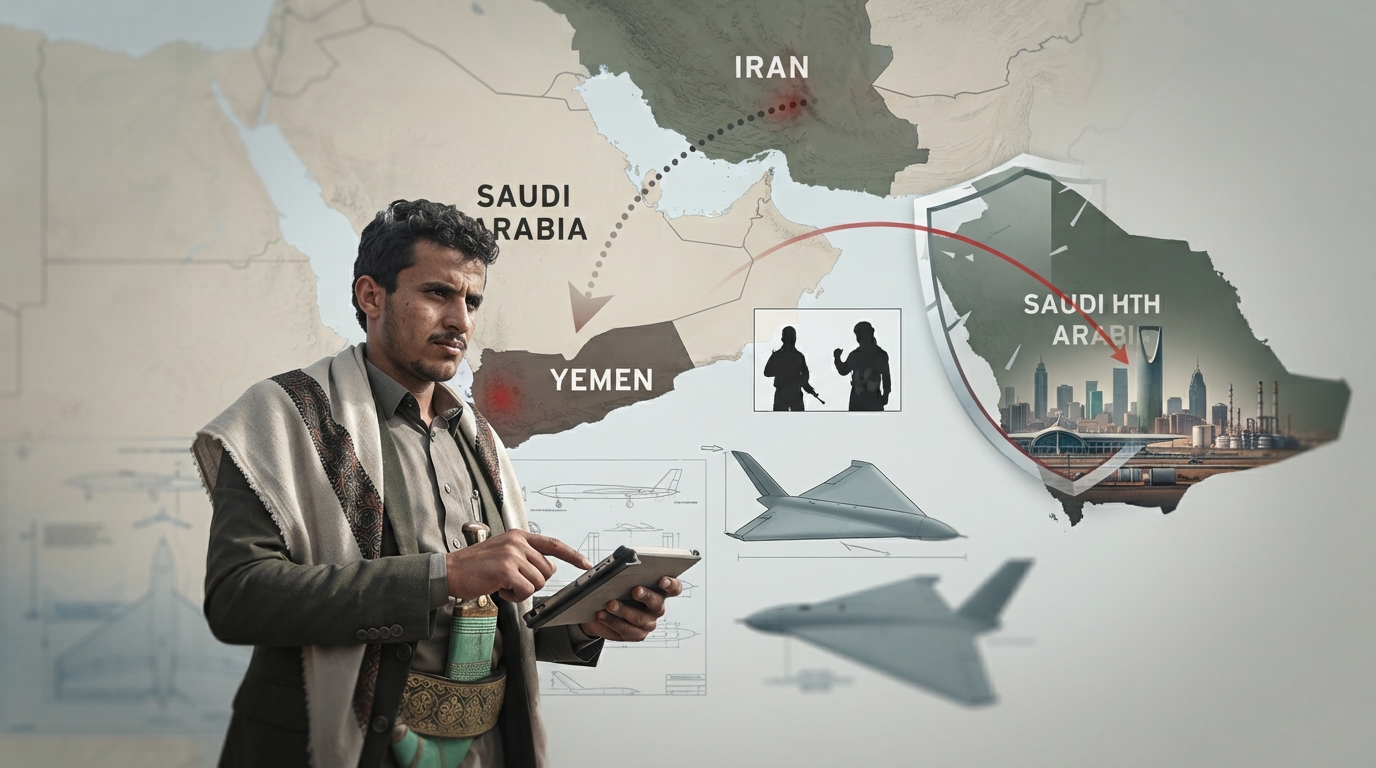
How independent from Iran are the Houthis attacking Saudi Arabia?
I assess Iran's influence on the Houthis' current actions to be much lower than before. In my opinion, the Houthis have begun making independent decisions and acting based on their own interests. Of course, their weapons capabilities largely trace back to Iran. Some of the drones and missiles they claim to have produced themselves were also supplied by Iran or produced with its help. Nevertheless, I do not consider the Iran factor to be as decisive in the Houthis' recent actions as it was before. This does not mean the influence is completely gone, but its level may have decreased.
The Houthis' current actions remind me of the attack carried out by Hamas on October 7, 2023. At that time, too, opinions were expressed that Hamas had not correctly assessed its own power and had over-relied on the help of certain external forces. As a result, Israel used this attack to justify its large-scale military operations against Gaza and destroyed a large part of the territory.
Whom or what force the Houthis are relying on in their actions against Saudi Arabia is also an important issue. It is particularly noteworthy that these events are taking place at a time when agreements are being discussed between Saudi Arabia, Turkey, and Pakistan. If the Mecca Alliance also intends to form a common position against the Houthis, such attacks by the Houthis could become an even greater threat to them. This is because Saudi Arabia approaches entering an open war with caution. The country's economic and investment projects, energy infrastructure, and the need to protect its vast territories increase the cost of such a conflict.
In a situation where even countries with modern air defense systems cannot fully protect energy facilities from all attacks, it is not easy for Saudi Arabia to completely eliminate such risks either. Therefore, it is natural for Riyadh to consider the consequences before entering into a full-scale war with the Houthis.
In the current situation, the Houthis are taking a very big risk. In particular, reports about the attack on the airport in Riyadh raise serious questions. Because it is a matter of civilian infrastructure, not military targets. And this could also damage the Houthis' reputation among the public of other Muslim countries. The fact that their actions are linked to Iran is also likely to change the attitude of some countries and public representatives who are sympathetic to Tehran.