

How did a child end up "belonging to no one" in a children's institution? The reason lies in the lack of protocols and standards
In world practice, child protection is based on strict standards, protocols, and regulations that are mandatory for all institutions and their employees. The abuse of a girl in a kindergarten in Namangan showed that there are no such mechanisms in the education and upbringing system in Uzbekistan. Opinion of "Gazeta".
How could a child end up "belonging to no one" in a children's institution? It all comes down to the absence of protocols and standards
The examples given above are excerpts from rules and protocols that children's institutions are required to follow.
Similar norms are adopted and regularly updated, for example, in
Is there anything similar in the schools and preschool education institutions of Uzbekistan? Most likely, no.
Yet another tragedy in the preschool and school education system — this time a monstrous crime against a child in Namangan — has once again triggered the familiar scenario: social media demands justice, the ministry publishes an official statement, working groups are created, the situation is "taken under control" by the Children's Ombudsman and the Prosecutor General's Office, and the highest echelons of power get involved.
The system reacts once again only after the fact, trying to "put out the fire."
This was the case, for example, after the mass poisonings of children. Time and again we face the same thing: there are no institutional mechanisms in the educational system that would allow for the prevention or early detection of situations that potentially threaten the life, safety, and well-being of pupils and students.
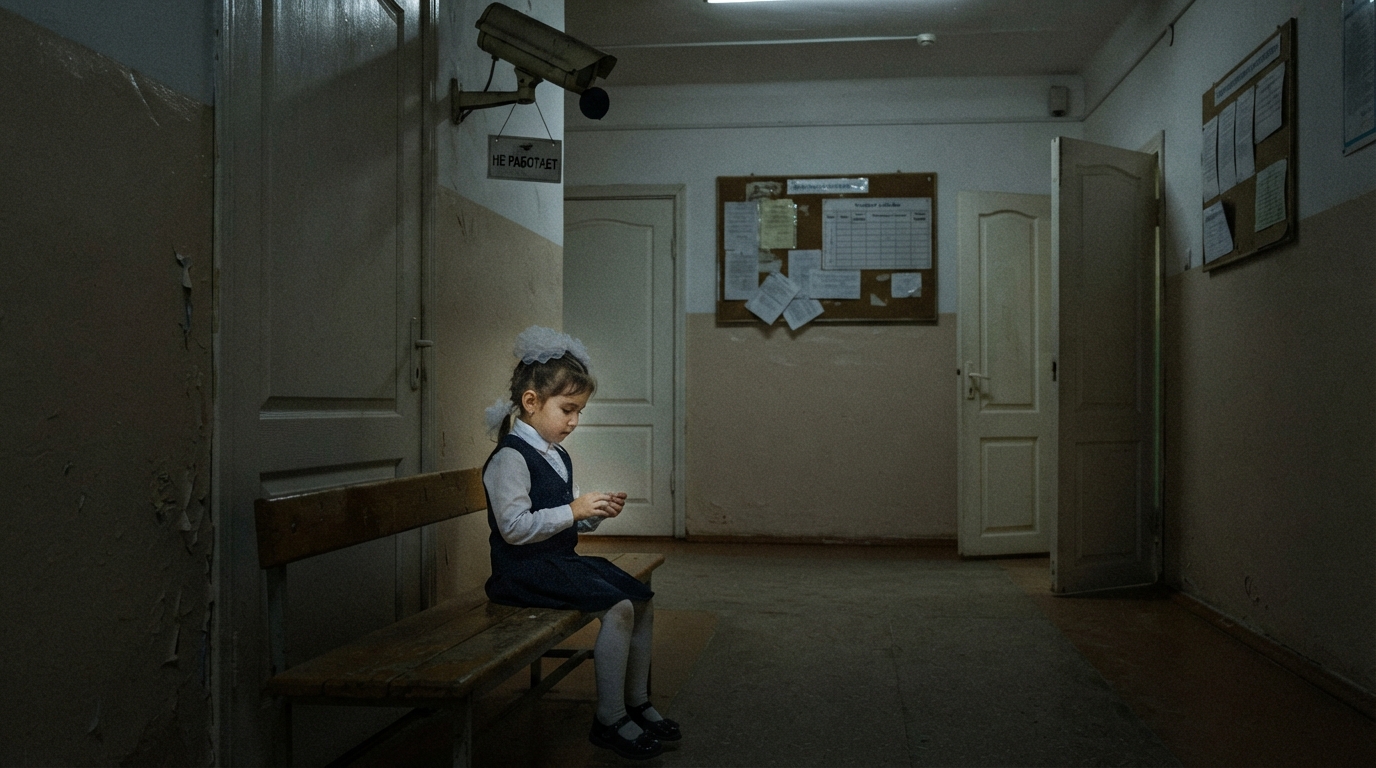
The details of the Namangan case revealed by the press are telling. The head of the facility claims she was on leave and knew nothing. The staff also say they know nothing. The security cameras were not working, and there is no answer to the mother's question as to why they were not working.
A child's safety from the moment they cross the threshold of the kindergarten in the morning until they are handed over to their parents in the evening is virtually left to chance.
All of this confirms the absence of a system — clearly structured mechanisms that would ensure the safety of children and eliminate, or at least be designed to eliminate, threats to their lives and safety.
In international practice, child protection is built on strict standards, protocols, regulations, and requirements that are mandatory for all institutions working with children and their staff. Such standards, examples of which are given at the beginning of the article, define, among other things, that:
The system must have comprehensive protocols governing the algorithm of actions for every employee when working with children. Staff must be trained in these protocols and know how to act in different situations. There must be a functioning mechanism that allows reporting risks without fear of retaliation from the administration.
Yes, such protocols and standards in themselves do not guarantee children's safety.
But their existence and compliance by all institutions is the basic minimum necessary to reduce risks.
If risks are not calculated in advance, and the chain of actions to prevent them is not formalized, the recurrence of tragedies involving children is only a matter of time.
Demonstrative dismissals and trials may help reduce public tension in such cases, but they will not protect a child in a neighboring institution or district from new tragedies.