

Despite…
Tajikistan's Ministry of Industry names three main problems of the industry amid production growth
Tajikistan's industry faces three main challenges: high electricity tariffs, fuel shortages, and logistical constraints. This was announced by the Minister of Industry and New Technologies of the republic, Sherali Kabir, during a meeting with the IMF Resident Representative, Gazi Shbaikat.
At the same time, despite structural difficulties, the sector is showing positive dynamics. According to the Agency for Statistics, in the first seven months of 2026, the volume of industrial production reached 39.46 billion somoni, which is 13.1% higher than the figure for the same period last year.
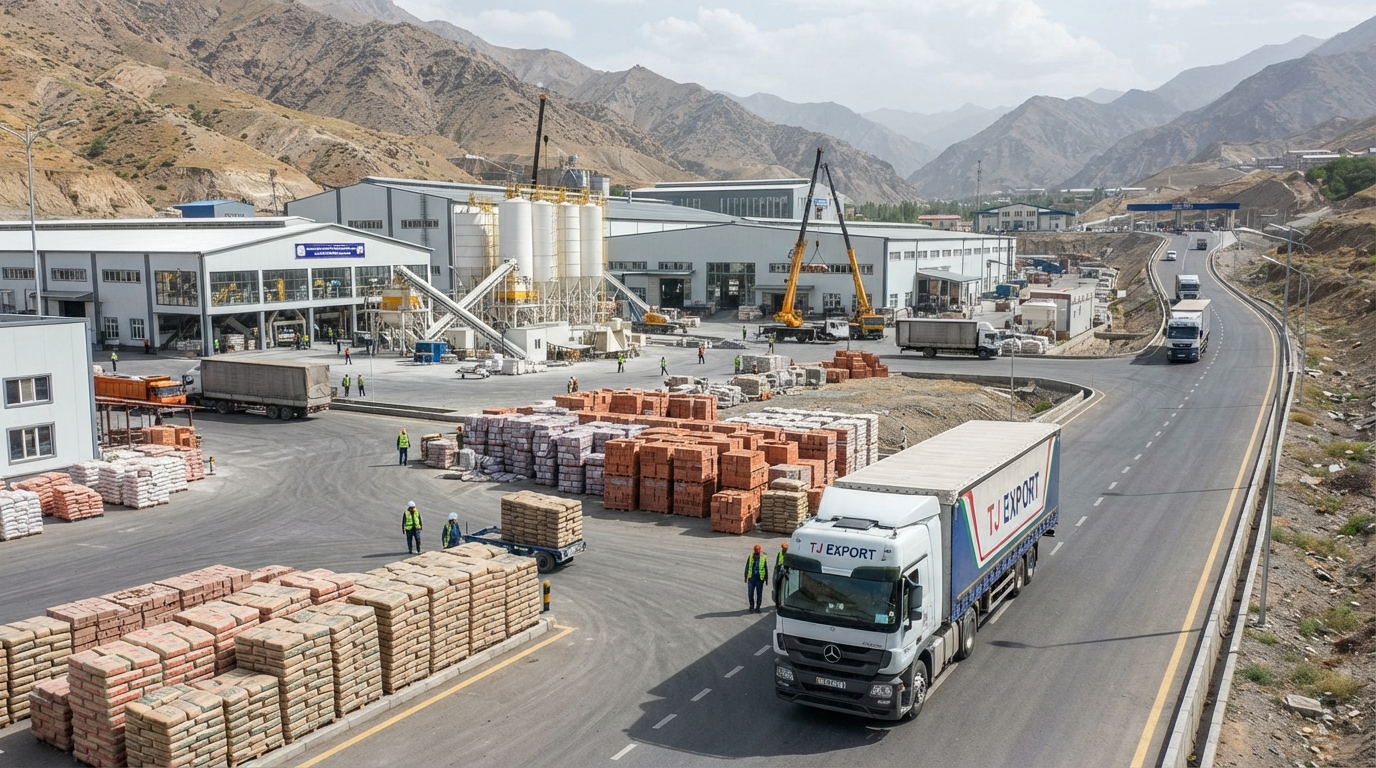
The main driver of growth was the manufacturing industry, which increased its output by 24.7% to 20.32 billion somoni. Significant growth was recorded in the production of food products, beverages, and tobacco products (23%), including flour (28%) and dairy products (20.4%). Cement production exceeded 3.14 million tons (+13.4%), while the output of construction bricks grew by 41.2%.
The head of the ministry emphasized that the country's landlocked status and dependence on external transit routes directly affect the cost and delivery times of raw materials. Combined with high energy tariffs, these circumstances place an additional burden on enterprises.
According to statistics, 4,017 industrial enterprises operated in Tajikistan in January–July 2026, and the vast majority of them — 3,459 — belong to the manufacturing sector. Within the framework of the second phase of the National Industrialization Strategy, the authorities of Tajikistan intend to focus on modernizing production, introducing digital technologies, and expanding export potential.