

Deaths in detention cells in Nigeria were entirely preventable, inquiry finds
Overcrowding and poor ventilation caused the deaths of 33 detainees in a prison cell in Minna state.
Deaths in Nigerian detention cells were wholly avoidable, inquiry concludes
An inquiry into the deaths of 33 detainees in Nigeria’s Minna state has determined that they died because of extreme overcrowding, poor ventilation and officers’ failure to answer distress calls.
Forensic and medical findings showed the deaths, described as “entirely preventable,” were caused by acute respiratory failure associated with prolonged confinement, made worse by heat stress and dehydration.
The evidence did not back up early claims that a disease outbreak was to blame.
The detainees were discovered dead on 17 September while in the custody of the Nigeria Security and Civil Defence Corps on suspicion of illegal mining. The investigation found that the mining sites had been licensed.
Interior Minister Olubunmi Tunji-Ojo said those responsible for the deaths would face the full force of the law.
He also said the detention hall had been cleaned before investigators arrived, raising concerns that there may have been attempts to compromise evidence.
Tunji-Ojo said officers implicated in the case would be suspended and that the report would be sent to the attorney general of the federation for further legal action.
Family members reclaimed the bodies of their relatives from Minna’s General Hospital last month
The committee investigating the case found that the raid on the miners had been carried out without an approved operational order, proper planning or consultation with the Mining Marshals Unit.
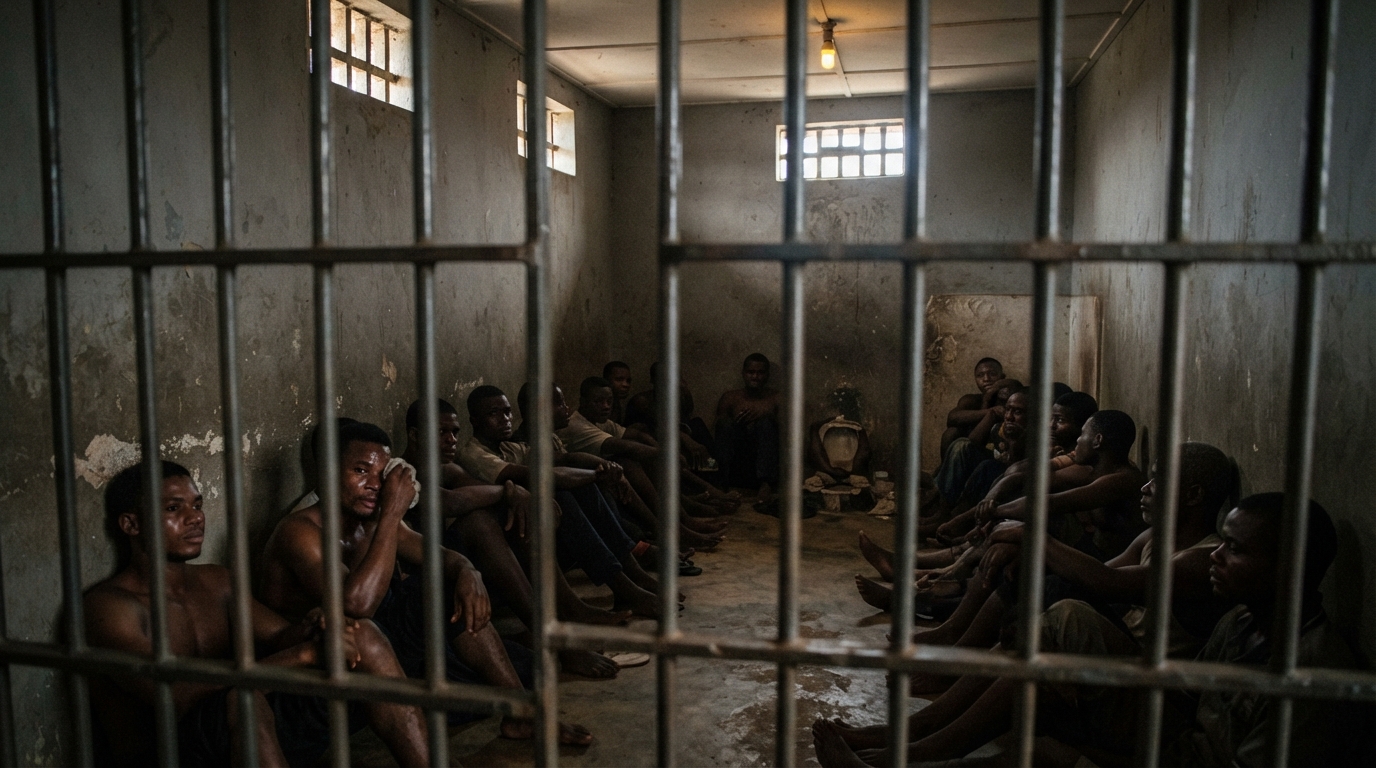
It said 50 detainees had been kept in a cell of about 20 sq m, with no running water or working toilet, and with insufficient food, drinking water and ventilation.
Adults and minors were held together, and some detainees were kept beyond lawful detention limits.
Officers reportedly ignored repeated pleas for help, even though a medical worker had raised concerns about the conditions.
“Detainees repeatedly banged on cell doors and walls, shouted for assistance and pleaded for water,” said Jonathan Kure, who headed the investigating team.
“These distress calls were heard by officers assigned to nearby duties... but were not acted upon.”
Kure said the detention conditions amounted to cruel, inhuman and degrading treatment.
“The tragedy demonstrates the consequences of systemic disregard for detention standards, supervisory responsibilities and the welfare of persons in custody,” he added.
The committee also recommended compensation of 30m naira (£16,683; $22,285) for each bereaved family and 10m naira for each survivor.