

Nigerian police probe 37 deaths in custody of suspected illegal miners
Authorities linked the deaths to disease, but the official explanation has been disputed by intelligence reports and relatives of the accused.
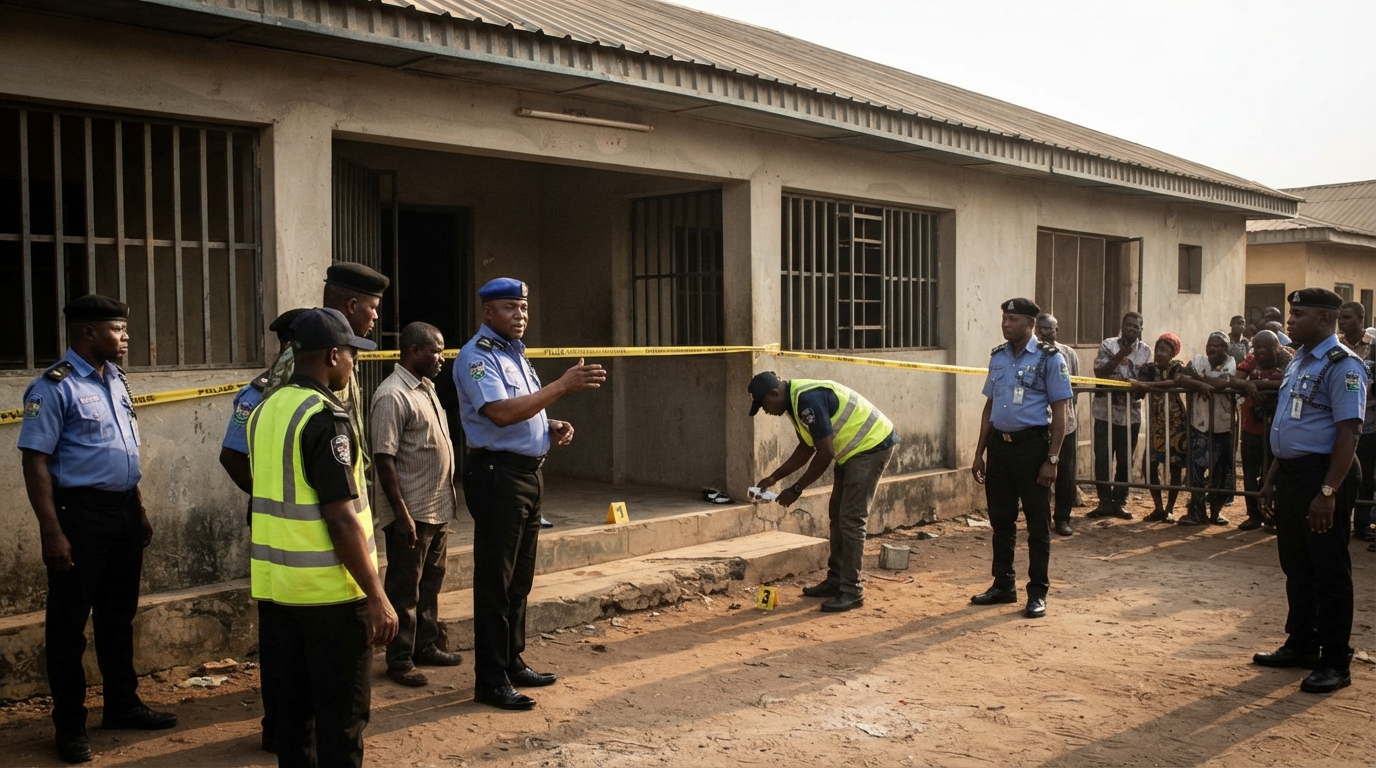
Nigerian police investigate 37 deaths in custody of suspected illegal miners
Thirty-seven people accused of illegal mining in north-western Nigeria have died while in custody, local officials said.
Police have launched an inquiry into the deaths, which the Nigerian Security and Civil Defence Corps (NSCDC) said were caused by what appeared to be a disease outbreak.
However, an intelligence report shared with AFP news agency indicated the group died as a result of overcrowding and poor ventilation inside the detention facility in Niger state, Nigeria.
State governor Mohammed Umaru Bago described the deaths as "sad and tragic" at a press conference on Thursday.
Bago also said an NSCDC commander had been detained following the deaths.
He declared three days of mourning and delayed the start of campaigning for elections due in January.
Officials arrested the group of young men on Tuesday on suspicion of illegal mining near Borgu, in Niger state, which is rich in minerals. The area is known for small-scale gold mining.
Two days later, 37 people held in connection with the suspected unlawful operation were found dead inside the NSCDC-run detention centre.
The NSCDC said the detainees may have been victims of a diphtheria outbreak, a serious bacterial infection that can be fatal.
But relatives of the dead have rejected the official account, saying they were deliberately killed.
Niger's police chief ordered an immediate investigation into "the unfortunate death of suspected illegal miners while in the detention facility of the NSCDC", spokesman Wasiu Abiodun said in a statement.
The victims' bodies have since been taken to the general hospital in nearby Minna for examination.
According to officials and experts, the rush to extract gold from illegal mines in Niger state has helped fuel violence by criminal gangs.
A 2024 SwissAid report found that much of the gold in the region is trafficked through global supply chains.