

Construction boom in Tashkent: a soap bubble or gold for investors?
Today, Tashkent is experiencing an unprecedented construction boom. New residential complexes, the ambitious "New Tashkent" project, and developers' promises are sparking not only interest, but also heated debates. What is really happening with the real estate market in Uzbekistan?
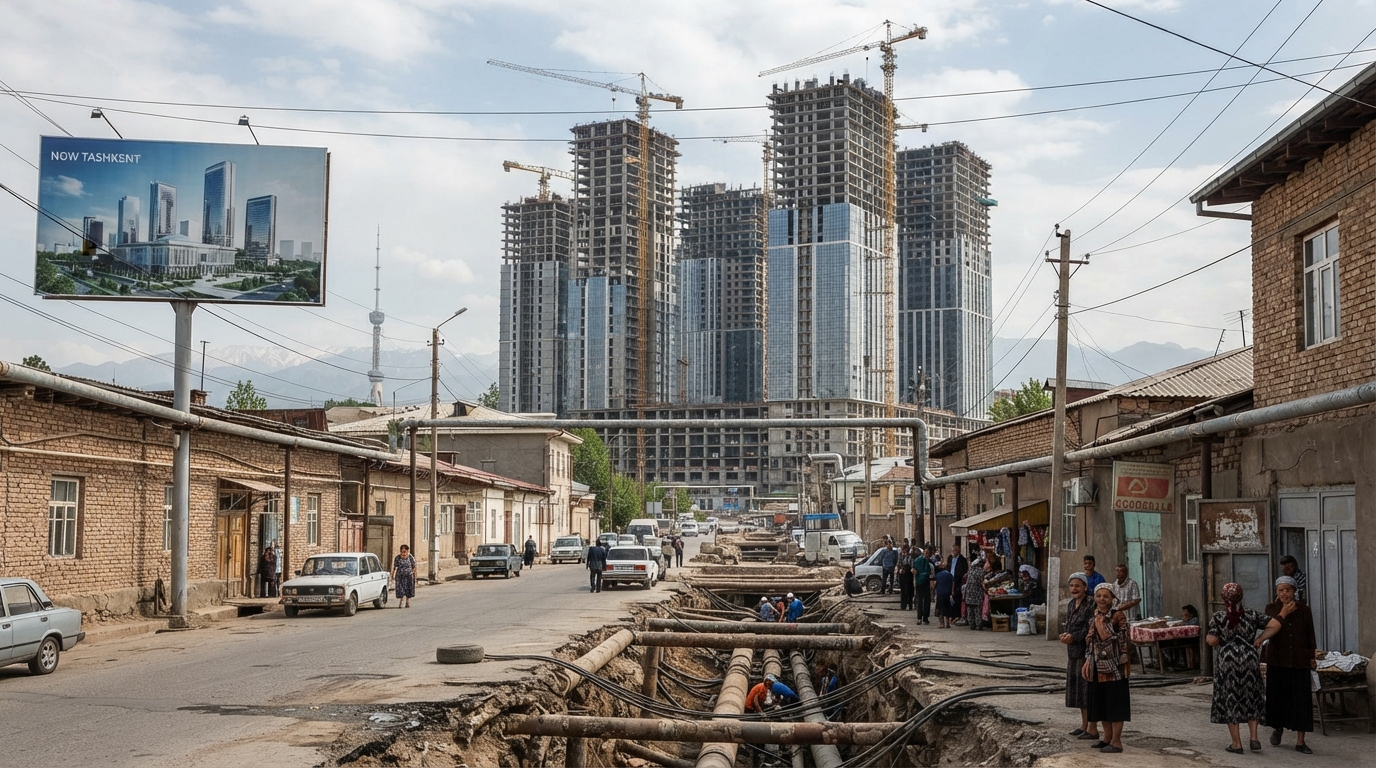
Tashkent’s Construction Boom: A Bubble or an Opportunity for Investors?
Actual Cost vs. Market Prices: Why New Developments Still Have Room for Price Cuts
The market’s main myth is the exorbitant cost of construction. Experts have revealed a trade secret: the material cost of 1 square meter in Tashkent is just $500–$700. Meanwhile, developers sell housing for $2,000–$4,000.
The "creaming" effect: high prices are explained by the fact that demand in the country was artificially restrained over the last 30 years. The city was closed, and almost no new buildings were constructed. Now the market is being filled, and developers are building in huge profit margins.
Price forecast: a market crash is not to be expected, but the cost of new developments will gradually decline. Developers have room to maneuver: even if they start selling apartments at $800–$900, which is the price of resale housing in disadvantaged areas, they will still remain in the black.
Is Tashkent Ready for 40-Story Skyscrapers?
The rapid construction of high-rises naturally causes anxiety among residents: will the old utilities withstand it, and how earthquake-resistant are the buildings?
Infrastructure at its limit: after the earthquake, Tashkent was built as a city of one million. Today, it effectively serves around 5 million people. Experts unanimously agree: first, it is necessary to completely modernize the power grids, sewage systems, and widen roads, and only then build high-rise buildings on a massive scale. Otherwise, the city faces a utility collapse.
Hope for "New Tashkent": moving the government and administration to the new district should relieve congestion and "free up" the historic center.
Seismic resistance: modern technologies make it possible to build safe high-rises even in seismically active zones, like in Japan, but state supervision in Uzbekistan needs to be strengthened significantly.
China's Evergrande Collapse and the Canadian Syndrome: Does This Threaten Us?
Many fear a repetition of the Chinese scenario, where a speculative bubble burst, leaving behind "ghost towns." Others suggest introducing a heavy tax on vacant investor apartments, as in Vancouver, Canada.
Why Uzbekistan is Not China: China's key problem was a demographic decline due to the former "one-child" policy. Houses were built while the population decreased. Uzbekistan, on the other hand, is experiencing powerful demographic growth: the population has increased by 10 million over the past 15 years. Demand for housing will remain stable for at least another 10 years.