

What will Islamic finance bring to Uzbekistan?
Entrepreneurs who prefer not to take out interest-based loans from banks can use an alternative method of financing. The introduction of Islamic finance in Uzbekistan aims to open up such opportunities and to draw into the financial system the segment of the population that remains outside of banking services. These issues were discussed at an international forum held in Samarkand.
What will Islamic finance bring to Uzbekistan?
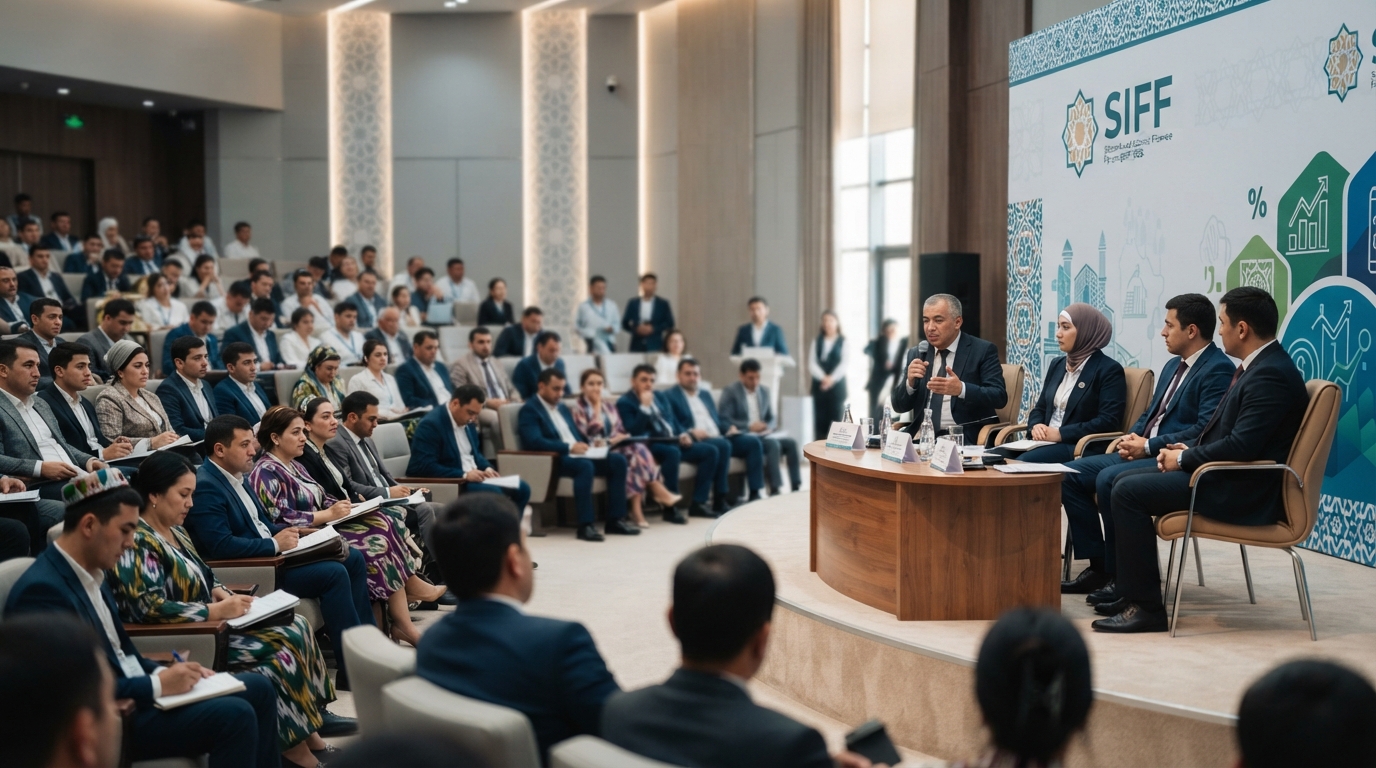
On October 27-28, the international Samarkand Islamic Finance Forum (SIFF) 2026 took place in Samarkand. It was attended by more than 400 representatives from 18 countries.
On the first day of the forum, issues regarding the development of Islamic finance in Central Asia, the launch of Islamic financial services in traditional banks, and the organization of supervision over such services were discussed.
Islamic finance is based on principles that differ from traditional lending. Instead of interest-bearing loans, financial solutions based on trade, leasing, and partnership are used. This can create an alternative opportunity for the population and entrepreneurs who have been refraining from using bank services due to their religious views.
According to Adhamkhon Haydarov, head of the working group of the Central Bank's Islamic Finance Project Office, it is important to take into account the experience of neighboring countries in developing this sector in Uzbekistan. Although Islamic finance was introduced several years ago in Kazakhstan, Kyrgyzstan, and Tajikistan, certain shortcomings have also been observed in this regard. Therefore, it is necessary to study their experience, avoid repeating the mistakes made, as well as utilize the advanced practices of Malaysia and Middle Eastern countries.
Haydarov emphasized that the launch of Islamic financial services will also make it possible to involve entrepreneurs who have not been using traditional banking services due to religious beliefs into the financial system.
The forum also discussed the legal foundations of the activities of Islamic financial institutions, working in accordance with Sharia requirements, and the formation of internal control systems. A two-tier management system is of great importance in this regard. As Adhamkhon Haydarov reported, an Islamic Finance Council has been established under the Central Bank. In the future, it is envisaged that such councils will function in every organization providing Islamic financial services, and cooperation between them will be established. Additionally, financial organizations must provide open information to the public about their operations and results.
On the second day, issues of developing the Islamic capital market, introducing financial instruments such as sukuk, and training qualified personnel for the field were raised. During the discussions, the need to strengthen public trust by increasing the financial literacy of the population and providing clear information about Islamic financial services was also highlighted.