

Virtual diarrhea
The Ministry of Internal Affairs and the State Security Service of Uzbekistan are checking reports of a data leak from Safe Road
Virtual Diarrhea
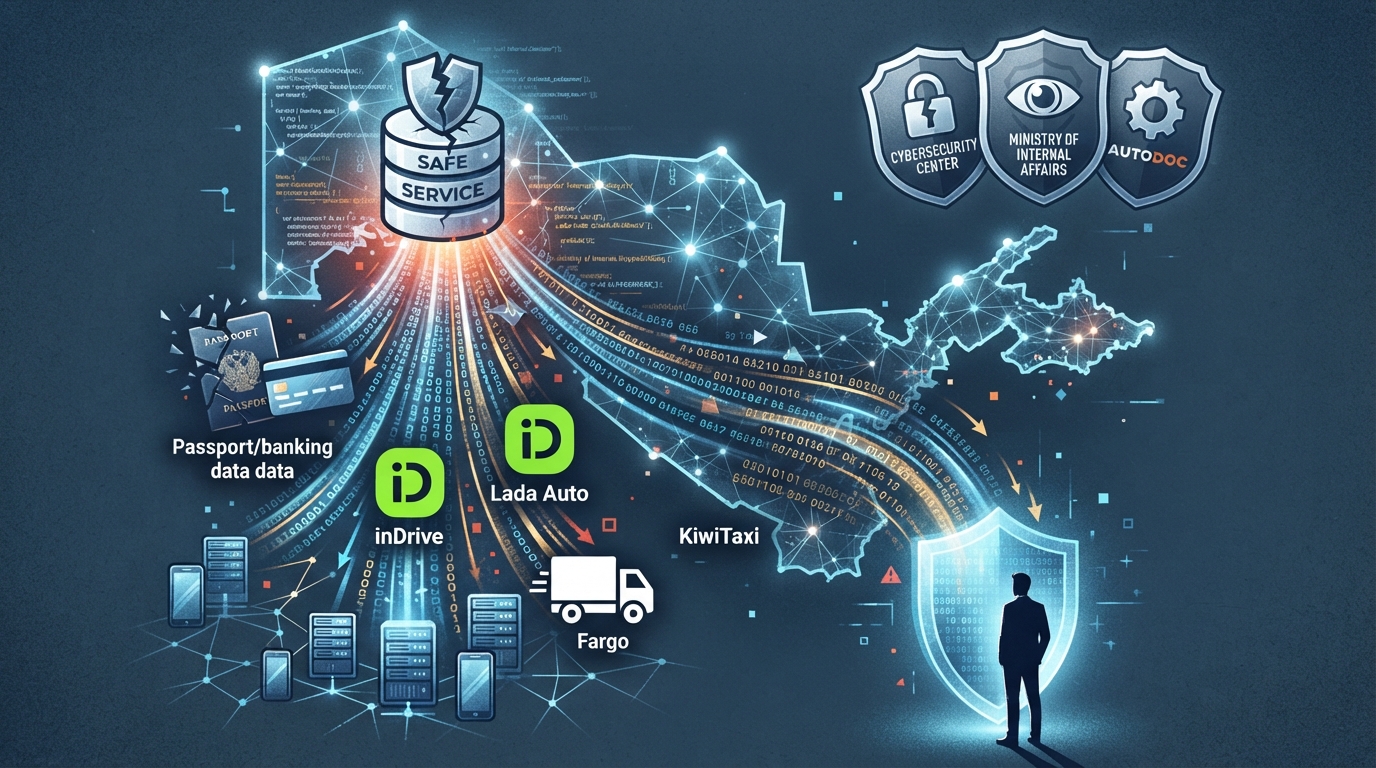
In Uzbekistan, a joint check is being conducted into reports of a possible leak of citizens' personal data from the SAFE Service platform, formerly known as Safe Road. The investigation involves staff from the Cybersecurity Center under the State Security Service, the Ministry of Internal Affairs, and the company AUTODOC. This was reported by the republic's Ministry of Internal Affairs.
According to the agency, information is circulating on social media regarding a possible leak of personal data belonging to users of SafeRoad, inDrive, Lada Auto, KiwiTaxi, and Fargo, linked to the SAFE Service platform, which is developed and maintained by AUTODOC LLC. As reported by the Techora.ru portal, data related to the passport and banking details of Uzbek citizens who used the application has allegedly been leaked online.
Specialists intend to verify the authenticity of the published reports, determine the sources of the distributed information and the circumstances of its appearance, and check whether personal data leaks actually occurred from the SAFE Service platform or other relevant information systems and electronic platforms.
The Ministry of Internal Affairs noted that additional official information will be provided following the results of the check. If the published information is not confirmed, the agency will also report on the reasons for its appearance and the sources of its dissemination.
A possible leak of personal data should not become a reason to restrict information exchange and abandon openness in Uzbekistan. This opinion was expressed by digital technologies expert Shukhrat Kurbanov, who noted that the key problem lies not in the data exchange itself, but in how the data is stored and who has access to it.
Commenting on the situation, the expert expressed concern that discussions of a possible leak could lead to stricter data exchange rules. In his view, this would be a step backward and would not guarantee the protection of personal information.
Earlier, at the end of January 2026, the personal data of 60,000 residents of Uzbekistan leaked onto the internet. This occurred following cyberattacks on three state platforms. In February, the leak was confirmed by the Ministry of Digital Technologies. The head of the agency, Sherzod Shermatov, reported that following the attacks, the protection of information systems in the country, including OneID, was reinforced. According to him, the leak of personal data does not mean that scammers gained access to citizens' accounts. However, names, dates of birth, addresses, and phone numbers may have become known to them.