

Uzbekistan recognized in World Bank report on poverty reduction
The World Bank's "Rising to Prosperity: Broadening Opportunities for All" report, dedicated to the results of socio-economic reforms in Uzbekistan,
Uzbekistan recognized in World Bank report on poverty reduction
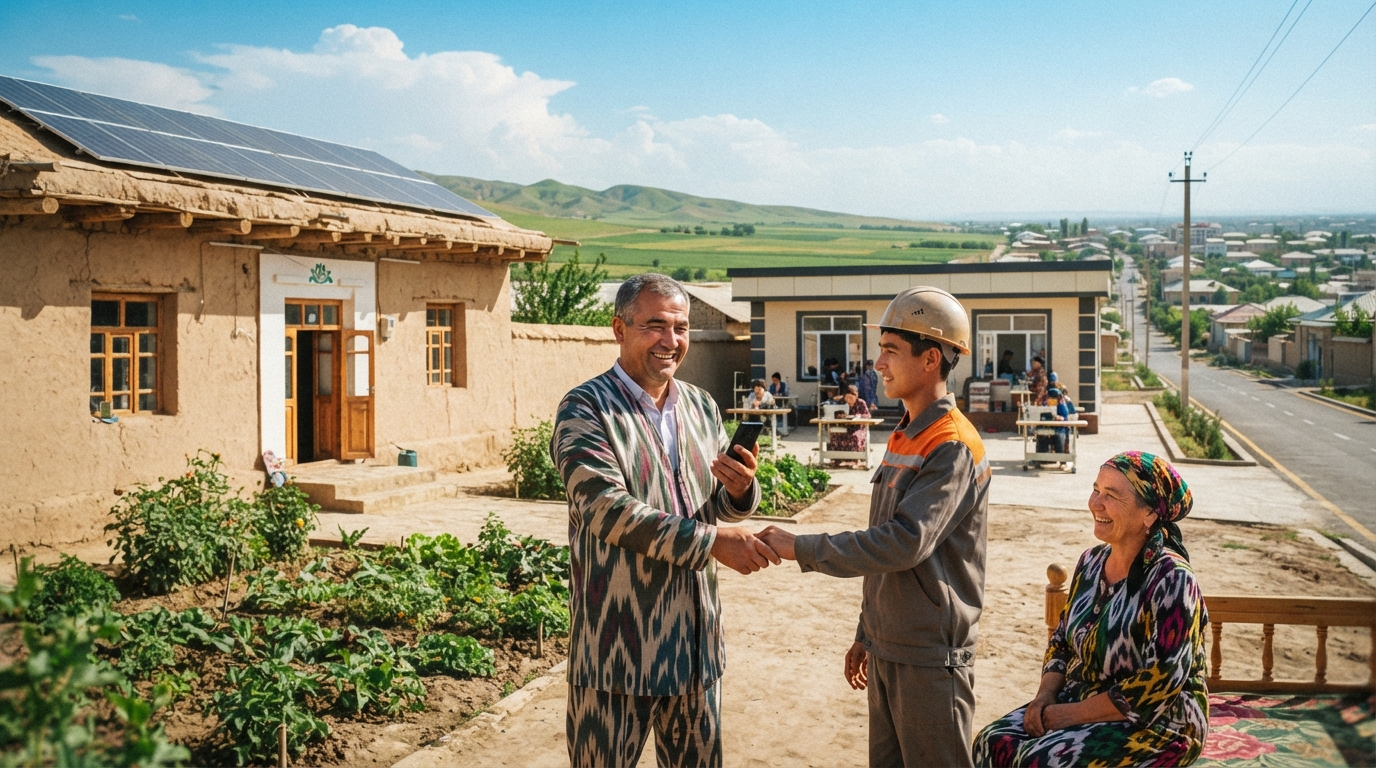
The World Bank has published a new report dedicated to the results of socio-economic reforms in Uzbekistan, titled "Rising to Prosperity: Broadening Opportunities for All." According to the document, the country has demonstrated one of the fastest and most sustainable rates of poverty reduction in the world in recent years.
The WB analysis notes that the national poverty rate in Uzbekistan decreased from 17.0 percent in 2021 to 5.8 percent by 2025, lifting nearly 3.7 million citizens out of poverty. When calculated based on the upper-middle-income threshold ($8.30/day) in the Central Asia and Europe region, more than 40 percent of the region's poverty reduction is attributed specifically to Uzbekistan.
As a result of economic reforms, the share of the stable middle class in the country has increased from 37 percent to 72 percent. Notably, the fastest reduction in poverty was observed in rural areas, where the rate fell from 19.8 percent to 6.4 percent, almost eliminating the gap between the living standards of urban and rural populations.
The main factors behind these positive changes are cited as wage increases, the creation of new jobs, and the timely indexation of pensions. For example, employment in wage labor among low-income men increased from 18 percent to 46 percent.
At the same time, the World Bank points out that 22 percent of the population remains vulnerable to economic risks, and recommends further increasing women's employment, developing preschool and higher education (STEM/ICT), and further improving the targeted social assistance system (LIFA) in the future.