

UN admits failure of efforts to curb global warming
The 1.5 degrees Celsius limit is no longer a ceiling, but has instead become the new minimum.
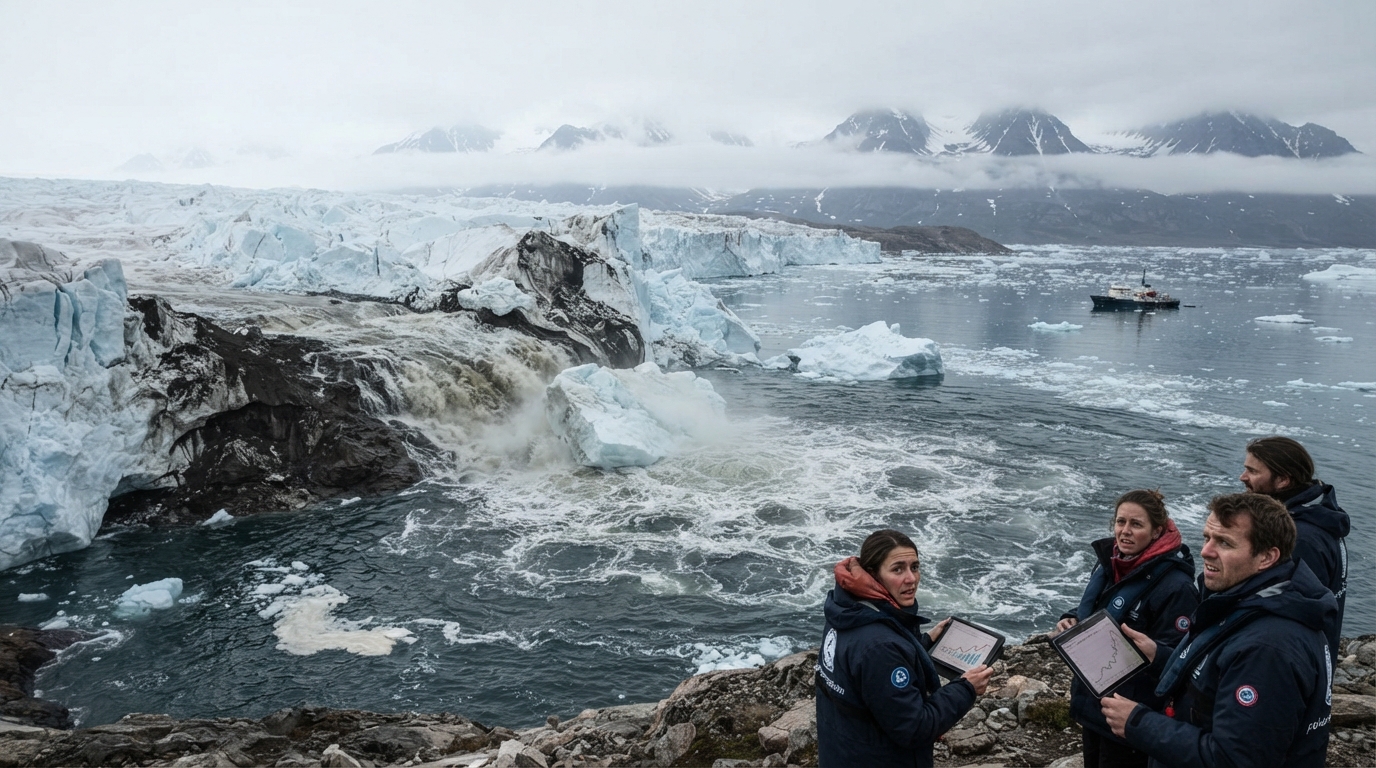
UN admits efforts to limit global warming have failed
Scientists often speak of climate targets set for the coming decades, which may give the impression that the world still has time to prevent the worst consequences of global warming. However, a new UN report states that this opportunity has already been missed.
A temperature rise of 1.5 degrees Celsius compared to the pre-industrial era is inevitable and will occur in the coming years.
This threshold has long been linked to dangerous tipping points in the climate. This refers to the disruption of ocean currents, the rapid melting of permafrost, and the disappearance of tropical coral reefs. All of these are considered irreversible consequences that could transform life on the planet.
According to calculations by most researchers, the world has currently warmed by about 1.4 degrees. Even if all climate pledges are fulfilled, the UN projects that temperatures will rise by at least 1.8 degrees. If current policies continue, warming could reach 2.6 degrees by the end of the century.
Such a scenario is not considered inevitable, but it requires much more decisive action. The UN suggests viewing the 1.5-degree target not as an upper limit, but as a minimum level that must be maintained in the future. To achieve this, the world will need to steadily reduce carbon dioxide (CO2) emissions in the second half of the century and additionally cut other greenhouse gases.
The authors of the report emphasize that the decisions being made now will determine whether the opportunity to keep global warming around 1.5 degrees remains.
According to them, future damage can be reduced by lowering the temperature by every tenth of a degree.