

Turkey reduces oil purchases from Russian ports
Turkey reduced its oil purchases via Russian ports in July and is expected to cut imports again in August, Reuters reported, citing disruptions to exports from Russian oil terminals on the Black Sea following Ukrainian drone attacks.
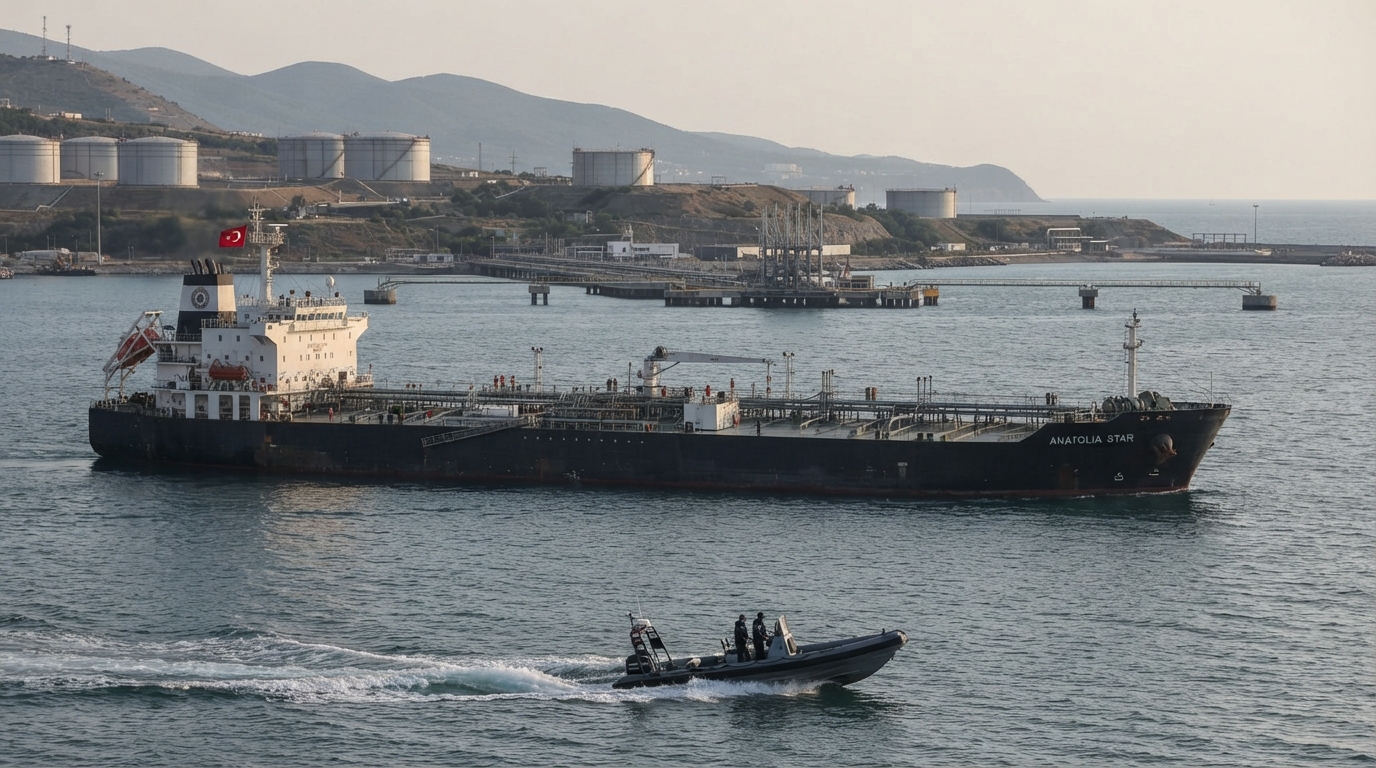
Turkey significantly reduced its oil purchases from Russian ports in July and plans to continue this trend in August, Reuters reported.
According to the agency, Ukraine increased drone attacks on Russian oil infrastructure in July. This led to a week-long suspension of oil exports from the Caspian Pipeline Consortium (CPC) terminal and the destabilization of loading operations at the port of Novorossiysk. As a result, the volume of oil loaded onto tankers through the CPC terminal in July fell by about 20 percent.
Turkey is one of the main buyers of CPC Blend, KEBCO and Urals brands of oil from Kazakhstan. In July, the country received a total of about 900,000 tons of oil from Russian ports, compared with 1.2 million tons in June.
According to LSEG, just over 300,000 tons of the total volume in July was delivered to Turkey via Black Sea ports. In June, deliveries in this direction amounted to 600 thousand tons, that is, oil supplies from the Black Sea ports to Turkey decreased by almost half in one month.
The decline is expected to continue in August. According to LSEG calculations, Turkey may receive about 200 thousand tons of oil from Russian Black Sea ports. It is expected that two tankers will deliver Kazakh KEBCO oil. At the moment, no new shipments of CPC Blend or Urals oil to Turkey are planned.
According to traders, Turkey is trying to diversify its oil supply sources. To this end, the country also imports crude oil from Brazil and Guyana.
The Caspian Pipeline Consortium is important for the delivery of Kazakh oil to the Black Sea coast of Russia. Under normal conditions, about 1.8 percent of the world's oil transit is transported through this international oil transport system. According to Reuters, supplies through the KPC have been disrupted since mid-July.
The Financial Times reported on August 12 that US Vice President Jay Dee Vance had spoken to Volodymyr Zelensky by phone on July 31 and asked Ukraine to stop drone attacks on oil tankers entering Novorossiysk. According to the publication, Washington is concerned that the Ukrainian attacks could further destabilize the situation on the global oil market and harm the interests of US companies. This includes tankers carrying crude oil delivered by pipeline from Kazakhstan to the KPC terminal on Russia's Black Sea coast.
The FT, citing official statements and an analysis of open sources, noted that Ukraine did not attack tankers near the KPC terminal after the conversation between Vance and Zelensky. According to the publication's sources, Kiev has agreed not to attack the KPC infrastructure and non-Russian ships in the Black Sea. However, these ships are not subject to Ukrainian sanctions and are not supposed to be transporting Russian oil or other cargo. A senior Ukrainian official said that Kiev is taking Washington's position into account. He said that after the US appeal, Ukraine has developed the appropriate "mechanisms". The KPC issue has also been regularly discussed in negotiations with the US and Kazakh governments.