

Trump says 'some' munitions are low as Iran war grinds on
He also said in an interview with Time magazine that it was possible the US could ramp up strikes on Iran after November's elections.
Trump says 'some' munitions are low as Iran war grinds on
In an interview with Time, Trump said a renewed bombing campaign in Iran is 'possible' following the November midterms.
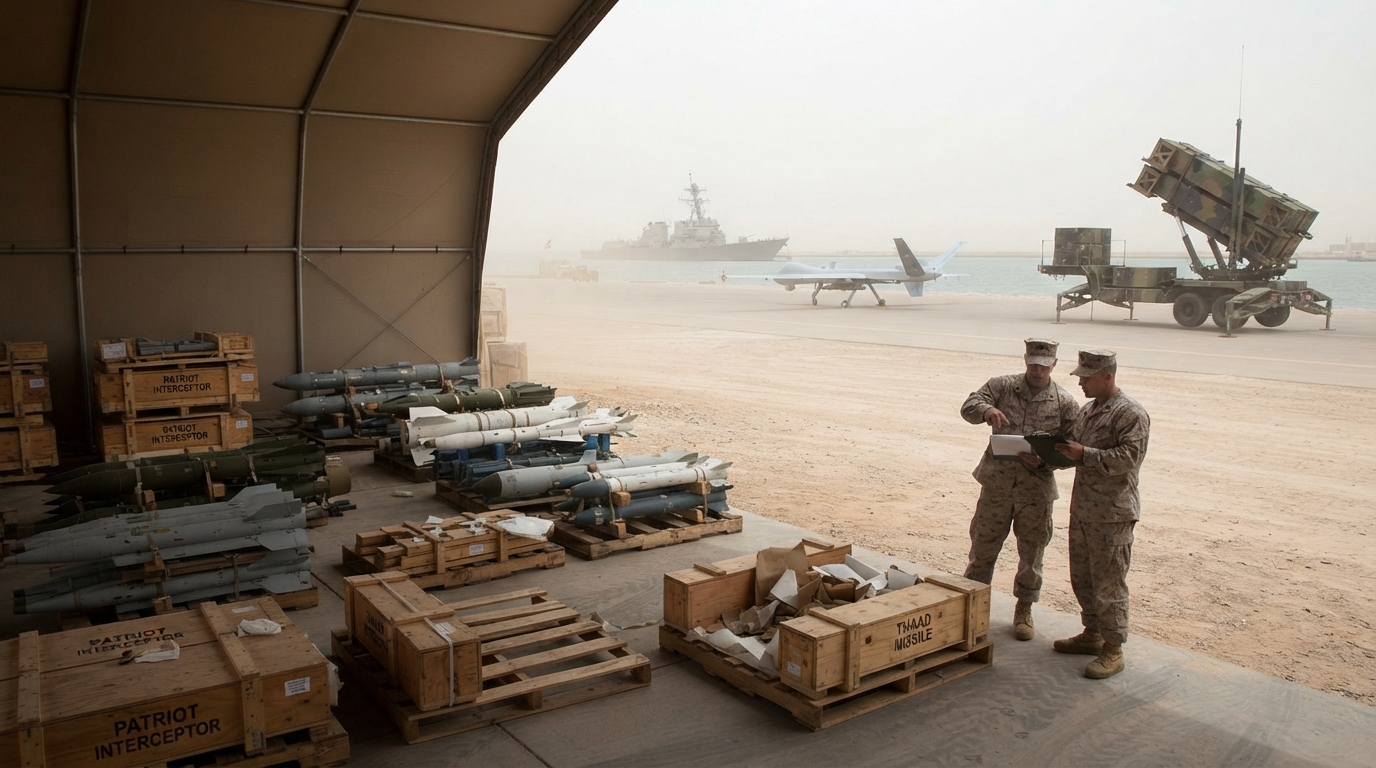
President Donald Trump has admitted that US stocks of some munitions "are a little bit lower" because of the Iran war, while promising to restore them to "levels we've never done before".
A mid-July report from the Pentagon's inspector general found that the war had caused shortages in critical munitions and created a bottleneck in resupply.
At the time, however, the US president dismissed the inspector's findings as "mostly fake news".
In a Time interview published on Thursday, Trump also said it was possible the US could increase strikes on Iran after the November midterm elections, despite his earlier claims that the US had already won the war.
Since the conflict with Iran began in late February, US forces have used huge amounts of both long-range ground attack systems and the air and missile defences deployed to intercept Iranian attacks.
In July, the Center for Strategic and International Studies, or CSIS, estimated that inventories of some interceptors - including the Patriot missile and Terminal High Altitude Area Defense, or THAAD - had been sharply reduced, in some cases by more than half.
Even with multiple assessments painting a bleak picture of US shortages, Trump told Time that the US is in "great shape" and "stocking up big".
"Some forms of ammunition are a little bit lower than other forms. We have that middle grade and upper middle grade, which is very powerful," he said.
Trump did not specify which munitions he meant, though he said US weapons makers are building plants to produce Patriots and THAADs "all over the country".
The US president gave few details about his plans for the conflict with Iran going forward. Over the weekend, Trump said he had turned down an Iranian proposal to reopen the Strait of Hormuz.
"It's just not good enough," Trump told Time about the offer. He added that a return to hostilities was "possible" after November's elections, despite the US having done "an incredible job with that."
In early September, Trump had taken a different position, telling reporters he believed the war would "end immediately after the election because they can't hold out any longer" and that Iran was "desperate to try and affect the election".
Recent polling indicates that many Americans blame Trump's policies, including the war, for higher prices at home.
Only 17% of US adults approved of Trump's handling of the cost of living, and only 26% approved of his handling of the broader economy - a new low - in an Associated Press-NORC Center for Public Affairs Research poll released on Thursday.
Republican campaign strategists are reportedly concerned that negative views of Trump will damage their party's prospects in next month's elections, with control of Congress at stake.
In the Time interview, though, Trump dismissed polls as "fake numbers" and said he was optimistic he could personally help Republican candidates win key races next month.
"I think we'll do okay if I campaign, and I intend to," he said, adding that "if I campaign for people, those people are going to win."