

Iran war has led to US munitions shortfalls, Pentagon inspector confirms
The inspector also found a bottleneck in resupply, despite President Donald Trump's claims that US supplies are "virtually limitless".
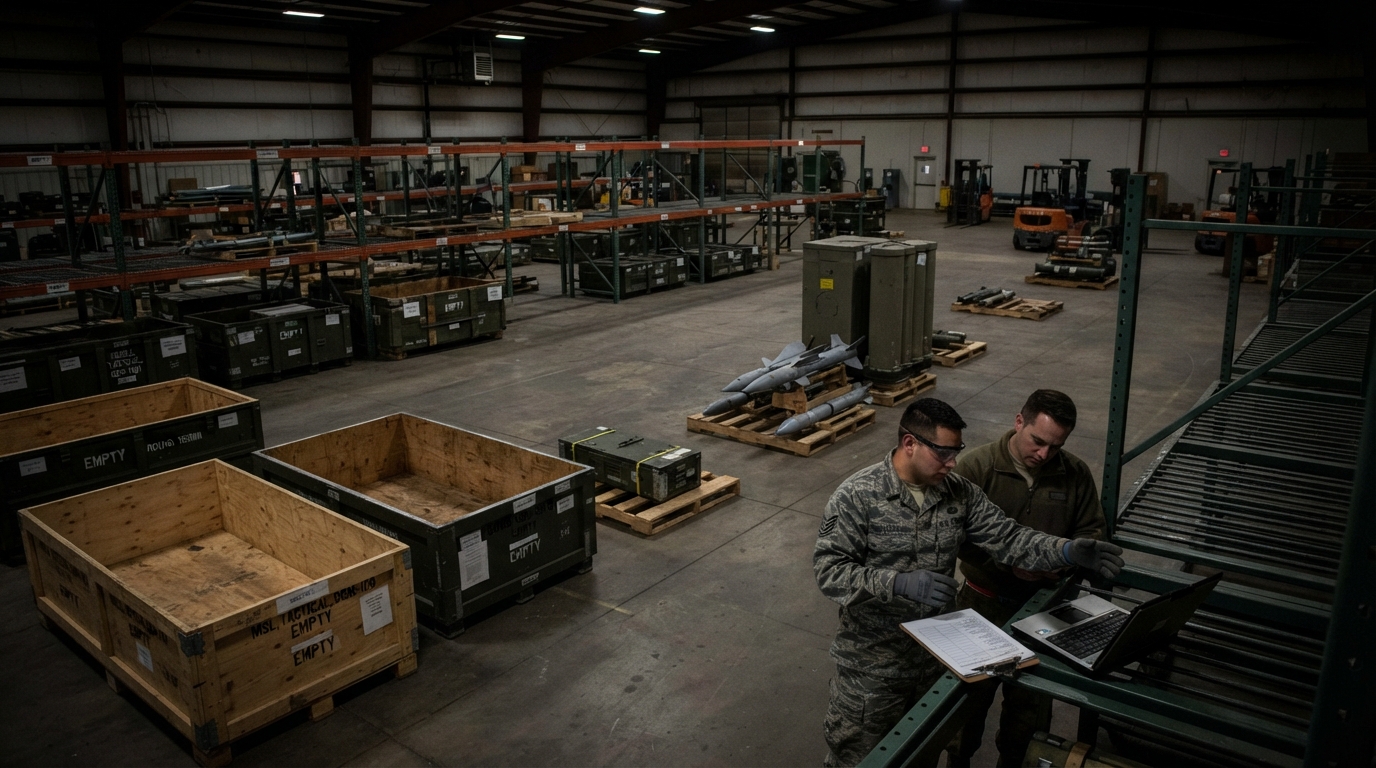
Iran war has caused US munitions shortages, Pentagon inspector confirms
The inspector general for the US defence department says the war with Iran has created "shortfalls" in munitions and a bottleneck in resupply, directly challenging President Donald Trump, who has repeatedly denied that the US is running short.
Trump has insisted that US munitions stocks are "virtually unlimited" and has dismissed contrary reporting as "fake news".
However, the independent watchdog said the US spent more than $22 billion on munitions from February through June, resulting in "strategic inventory shortfalls".
The new report offers a first-of-its-kind independent look at US weapons stockpiles, information that is usually classified.
Earlier estimates had already suggested a severe shortage picture for the US.
Throughout the war, US forces have used huge amounts of both long-range ground attack systems and the air and missile defences deployed to intercept incoming Iranian attacks.
A late July estimate from the Center for Strategic and International Studies, or CSIS, found that stocks of some interceptors — including the Patriot missile and Terminal High Altitude Area Defense, or THAAD — had been sharply reduced, in some cases by more than half.
The inspector general's report did not say exactly how many weapons are still available.
It did, though, point to inventory shortfalls and identify "industrial base bottlenecks" affecting munitions resupply.
The report also said the defence department is now trying to "streamline procurement processes and production lead times" to deal with the shortages and "respond rapidly to a contingency".
Trump and other administration officials have tried to portray reports of shortages as false and "treasonous".
In a 4 August X post, for instance, Defence Secretary Pete Hegseth called news coverage of the shortages "not true".
And in a lengthy Truth Social post on 3 September, Trump said the US had "virtually unlimited" amounts of ammunition and was "stockpiling and preparing for any contingency that could happen".
The watchdog's report also says equipment losses have reached $3.7bn, with another $7.4bn in other expenditures. In total, the US spent $33.4bn (£24.7bn) on the war from 28 Feb to 30 Jun.
Among the losses were four F-15e fighter jets, a highly advanced F-35 Joint Strike Fighter and 30 MQ-9 drones destroyed in "various circumstances".
When US and Israeli strikes started, Trump repeatedly said the conflict would be over within weeks.
More recently, he said the conflict might not end until "right after" the November midterm elections in the US.
Polls indicate the war is unpopular with Americans.
One Reuters/Ipsos poll published in early September found that only 23% of Americans — and only half of Republicans — believe the US is in a stronger position with Iran than before hostilities began.