

The President learned about a presentation on accelerating intensive fishery projects
In our country, the task has been set to expand intensive fish farming and produce 1 million tons of fish per year. In the presentation, this
The President reviewed a presentation on accelerating intensive fish farming projects
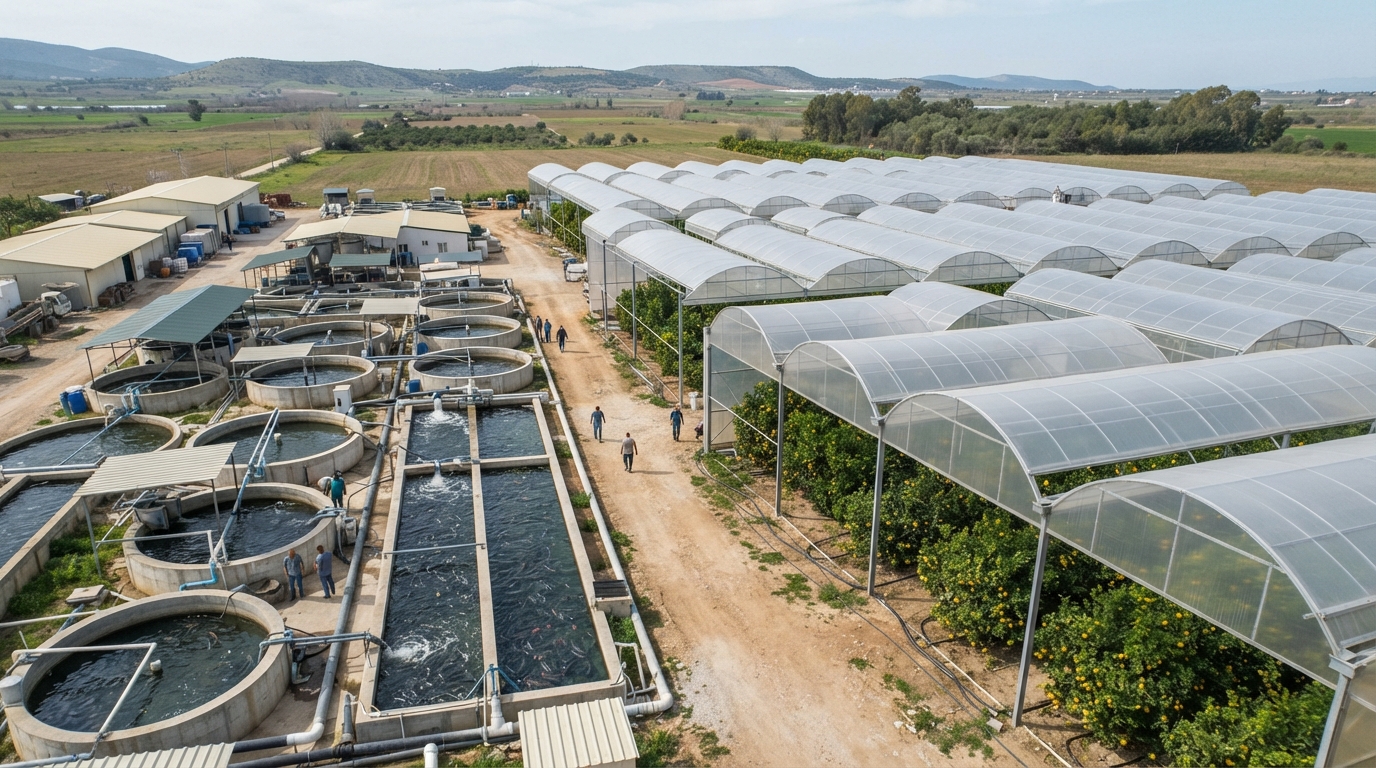
President Shavkat Mirziyoyev reviewed a presentation on accelerating intensive fish farming projects and establishing energy-efficient lemon greenhouses.
In our country, the task has been set to expand intensive fish farming and produce 1 million tons of fish per year. During the presentation, plans to utilize the potential of vertical drainage wells to achieve this goal were considered using the example of the Baliqchi district.
It is envisaged to establish intensive fish farming complexes around 24 wells in the district, covering processes from the supply of fry and feed to fish cultivation, processing, storage, and sales. Each 50-sotik project is planned to produce at least 30 tons of trout per year and create 10 jobs.
It was proposed to form a fish farming holding company to manage the projects under a unified system.
In order to extend the Baliqchi experience to other regions, an instruction was given to inventory more than 4,000 vertical drainage wells across the republic by March 1, 2027. Wells suitable for fish farming are intended to be transferred to advanced entrepreneurs for management on the basis of public-private partnerships. Information was also presented on plans to cultivate and process cold-water fish in Khanabad, as well as to implement fish farming projects based on water reservoirs in Ulugnor.
The second part of the presentation was dedicated to the development of lemon growing on the example of the Baliqchi district. It is planned to build energy-efficient greenhouses on an area of 100 hectares around nine neighborhoods in the district and offer them ready-made to entrepreneurs. Lemon cultivation, sorting, processing, packaging, storage, and sales will be integrated into a single cooperative chain.
Special attention was paid to involving unemployed and low-income families in the project. According to preliminary estimates, at least 1,000 people from local families will be employed in 500 greenhouses. Until the lemon saplings begin to yield fruit, it will be possible to earn additional income by growing intercrops.
Based on the Baliqchi experience, it is planned to establish energy-efficient greenhouse complexes for low-income families and the unemployed on a total area of 200 hectares across the regions next year. This is expected to serve to increase the income of two thousand families.