

The Indian payment system UPI may be launched in Uzbekistan in about a year.
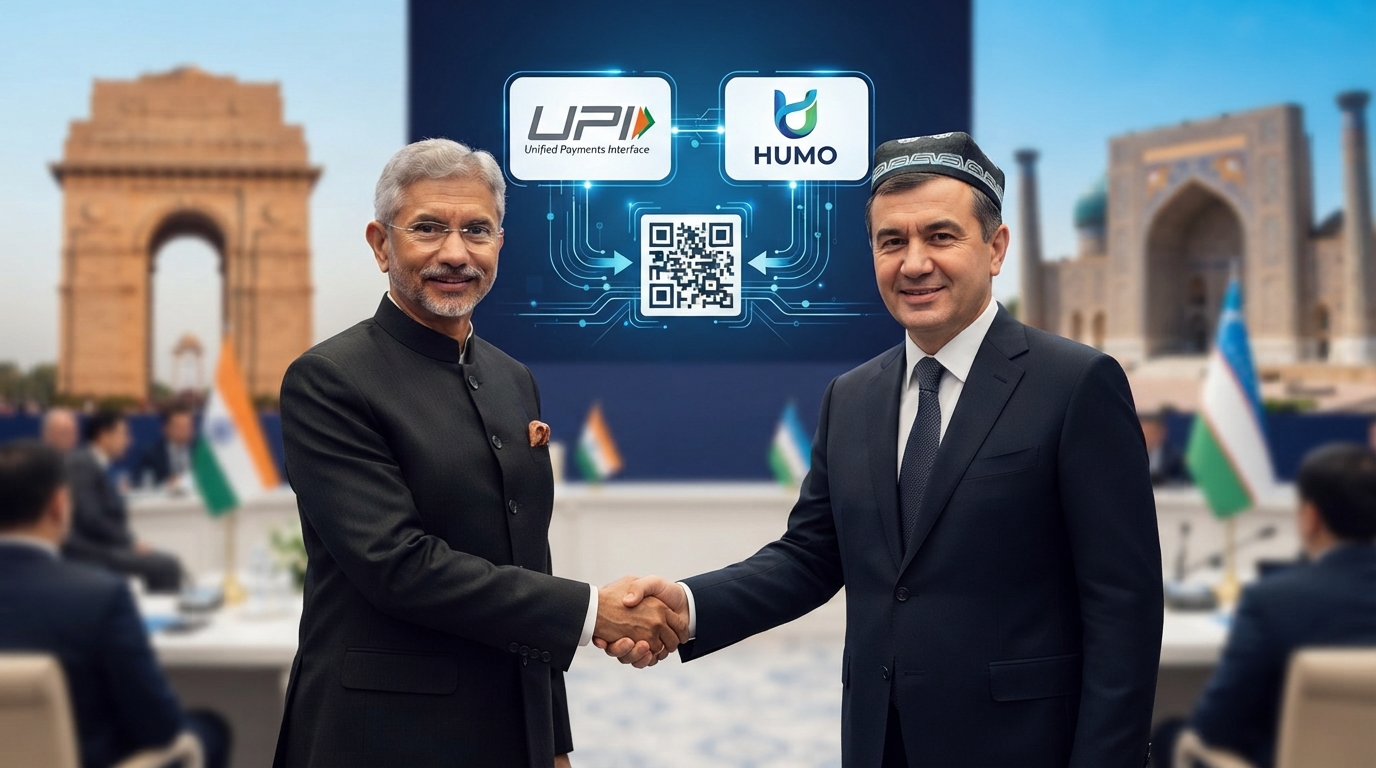
Indian tourists will be able to pay for purchases in Uzbekistan using UPI-enabled apps in about a year. To this end, NPCI International and HUMO signed an integration agreement with the national QR network UzQR, following regulatory approvals from both countries.
Here's the rewritten text of the news:
India's UPI fast payment system may become operational in Uzbekistan in about a year. This information was announced by Sibi George, Secretary for Western Affairs at the Indian Ministry of External Affairs, while summing up the talks between the two heads of state.
According to George, a network agreement was recently signed between NPCI International Payments Limited (NIPL), the international arm of the National Payments Corporation of India, and the Uzbek payment system HUMO. This agreement is intended to enable the use of UPI payments throughout Uzbekistan via a national compatible QR network.
The signing of the agreement was made possible after receiving the necessary approvals from the Reserve Bank of India (RBI) and the Central Bank of Uzbekistan. The latter appointed HUMO as NIPL's authorized partner to accept cross-border payments from merchants.
The Indian side described the agreement as an "important first step" toward increasing the compatibility of the payment systems of both countries.
"Once the agreement is implemented, which is expected to take place in about a year, Indian tourists visiting Uzbekistan will be able to use UPI-enabled apps here," Sibi George explained.
Presidents Shavkat Mirziyoyev and Indian Prime Minister Narendra Modi previously discussed digital infrastructure and UPI during the Indian Prime Minister's state visit to Tashkent.
The Indian Ministry of External Affairs also announced the parties' intentions to improve banking and payment connectivity, reduce trade barriers, and build more efficient regional supply chains.
India views the launch of UPI in Uzbekistan as part of the international expansion of its digital payment infrastructure. The parties also agreed to continue cooperation in artificial intelligence, cybersecurity, and digital technologies.