

The election is over: what conclusions can be drawn?
We previously touched upon the results of the parliamentary elections in Russia, the victory of the ruling party, and why the Kremlin needed to hold such elections during wartime. Today, we analyze what conclusions can be drawn from the process.
The election has concluded: what conclusions can be drawn?
For the Kremlin, the most important issue this year was turnout. This was because there were expectations that Ukraine might attack on election day, there was a possibility of increased wartime discontent, and therefore, a scenario existed where many people would not show up to vote. However, this time the turnout was enviable — close to 57 percent. According to official data, nearly 63 million Russians participated in the elections. This is indeed considered a high figure.
Before the election, even optimistic experts predicted that turnout would be around 50 percent. Therefore, Russian state media is placing special emphasis on the 57 percent turnout. Regardless of the percentage of the election results, it was not difficult to predict that they would be resolved in favor of "United Russia."
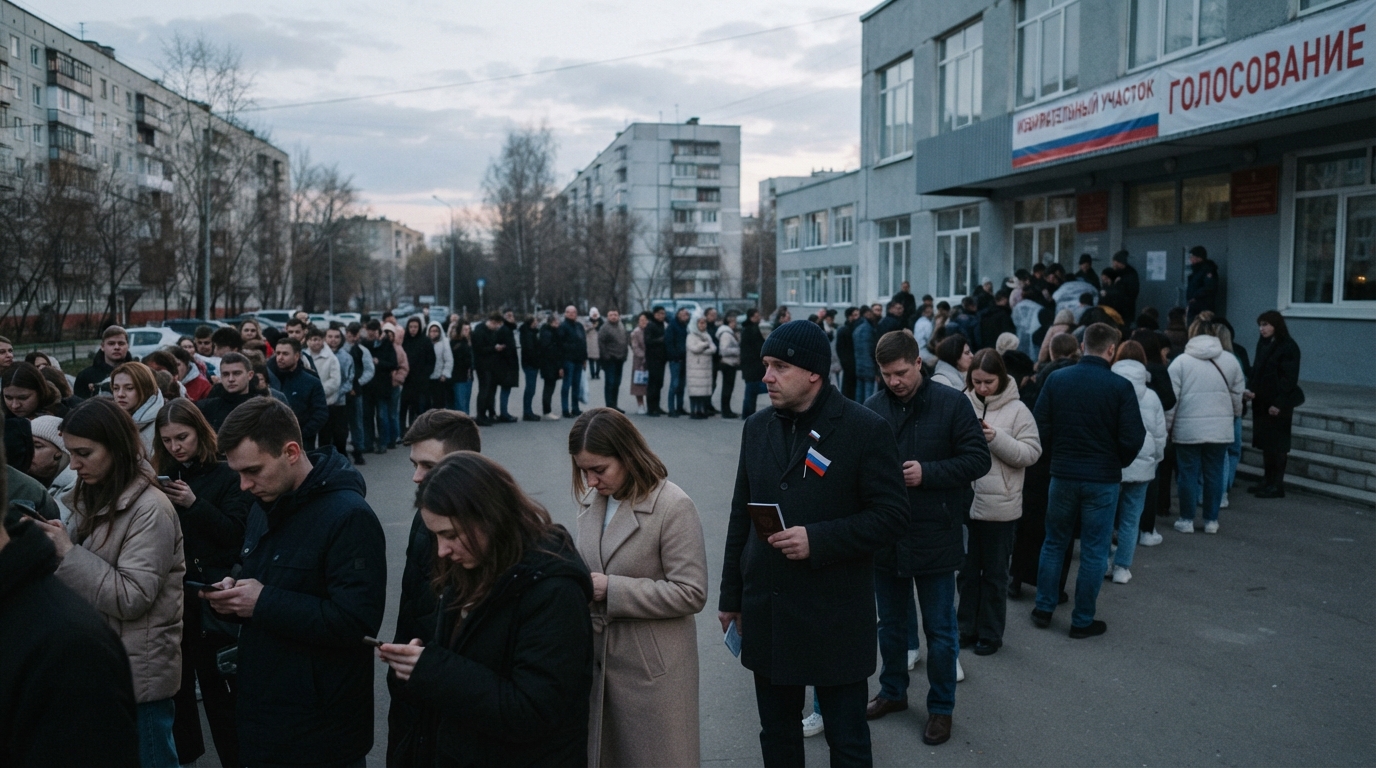
Chess legend and opposition figure Garry Kasparov expressed a bitter opinion that this year the Russian opposition "did everything it could to ensure high turnout in the election." It is true that the opposition contributed to the increase in turnout by publishing recommendations on exactly whom to vote for, at what time to vote, and to definitely vote. The opposition called for voting in the afternoon of September 20, and it was precisely at this time that queues appeared in front of polling stations in major cities.
Here, both Kasparov and the opposition figures can be understood. Kasparov wanted to shame the Kremlin by calling for a boycott of the election. Meanwhile, the likes of Katz and Navalny's supporters tried to resist in some sense, believing that there was no point in sitting idly by, and that even if they did nothing, the turnout would still be written down as desired.
For pro-war Russians, the significance of the held elections was low because it was almost clear what result would be recorded, and there was no intrigue. However, anti-war Russians thought long and hard about how to express their position in the election; for them, it was an opportunity. Currently, one cannot openly condemn the war in Russia, and not a single party that opposed the war, even in a quiet voice, was allowed to run in the election.
For this reason, anti-war, liberally-minded Russians who participated in the election acted very cautiously. Those who formed long queues on the final day of the election were precisely the Russians who were against the war but afraid to say it out loud. They used the election as an opportunity to express their position without breaking the law. They went at the time recommended by the opposition and voted for the people they recommended, even though the results later took on a completely different appearance.
However, there was no rebellion either, as the Kremlin had feared. Russians did not openly express their opposition to the war during the election, there were no protests, and the election was not boycotted. It became clear that everything is still under the Kremlin's control. In turn, nothing happened in the election to further encourage the Kremlin. We saw that "United Russia" candidates could not win abroad or at polling stations where observers were able to do their job.