

The Cost of Gold: Is Uzbekistan’s naturalization of Russian athletes undermining local talent?
Tashkent Times is an English language online-newspaper that brings all latest Uzbekistan news
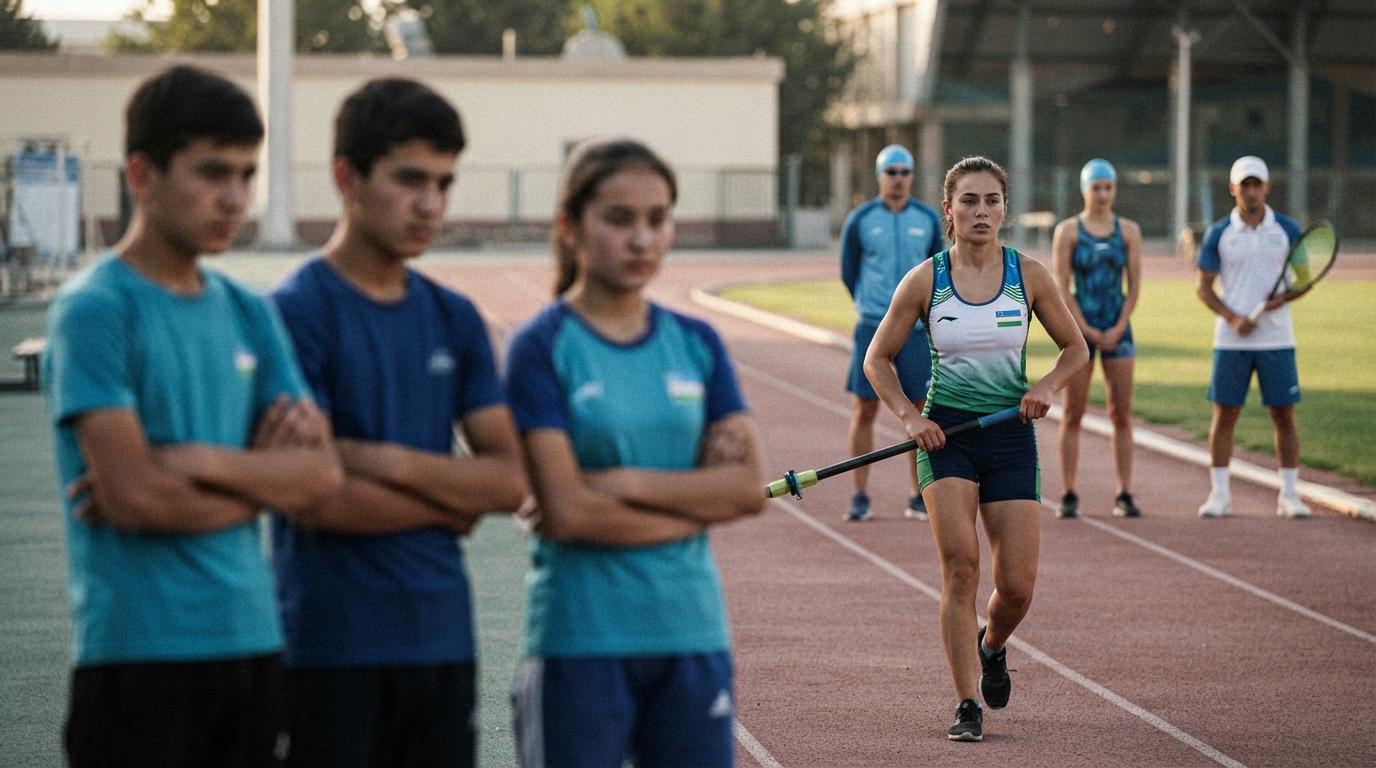
**The Price of Gold: Is Uzbekistan’s naturalization of Russian athletes weakening local talent?**
In recent years, Uzbekistan’s sports policy has increasingly leaned on a controversial fast track to international success: the swift naturalization of Russian athletes. Left in international uncertainty because of broad bans on Russian teams tied to geopolitically driven sporting sanctions, many top Russian competitors have looked for other flags to compete under.
Tashkent has been ready to issue them passports. Although this approach brings quick medals and worldwide attention, it also prompts an uneasy question: Is Uzbekistan pursuing sporting success at any cost, and what is that costing its own youth?
At first glance, the calculation appears logical for sports officials. Adding experienced, world-class athletes who are already trained to elite level promises immediate competitiveness at Asian and World Championships. For a country aiming to build soft power and establish itself as a leading sporting force in Central Asia, a medal remains a medal, no matter where the athlete was born.
Yet this policy also creates a serious bottleneck for domestic sports growth. When a naturalized athlete claims a place on a national team, they are not simply winning a medal; they are taking a limited opportunity. They fill a roster position that would otherwise belong to a homegrown athlete who has spent years developing in local academies.
The size of the trend is difficult to determine exactly, since there is no official count. But Russian media have estimated that more than 350 athletes changed sporting nationality between February 2022 and July 2024, with dozens choosing passports from Central Asian countries. Uzbekistan’s group of recruits now covers multiple disciplines: Olympic rowing silver medalist Hanna Prakatsen, tennis players Kamilla Rakhimova, Polina Kudermetova and Maria Timofeeva, figure skaters Ekaterina Geynish and Dmitry Chigirev, junior European swimming champion Ilya Sibirtsev, and fencers including Kursk-born foil specialist Polina Volobueva, who has represented Uzbekistan at recent Asian championships.
The effects of this approach go well beyond one tournament lineup:
Young Uzbek athletes, seeing their route to Olympic or international selection blocked by imported veterans, encounter a psychological obstacle. When effort at home cannot compete with a passport granted overnight, motivation drops.
High-performance sports budgets are limited. Money spent to secure, house, and reward naturalized athletes is money taken away from grassroots facilities, local coaching education, and regional training centers in provinces beyond Tashkent.
Depending on foreign talent conceals weaknesses in domestic training systems. A federation can present strong medal totals to the government while local development programs quietly lose momentum.
Uzbekistan has a deep, historically proven source of athletic talent, especially in combat sports and weightlifting. The country does not lack talent; it lacks the patience to develop it to the very highest level across a wider range of sports.
By continuing to serve as a competitive refuge for athletes who have lost their own flags, Uzbekistan risks exchanging its long-term sporting future for short-term podium images. If the aim is genuine national pride, a bronze medal earned by a homegrown athlete who rose through the local club system will always mean more than a gold medal acquired overnight.