

Tashkent courts explain the sentence of a teenager who hit and killed a road patrol inspector
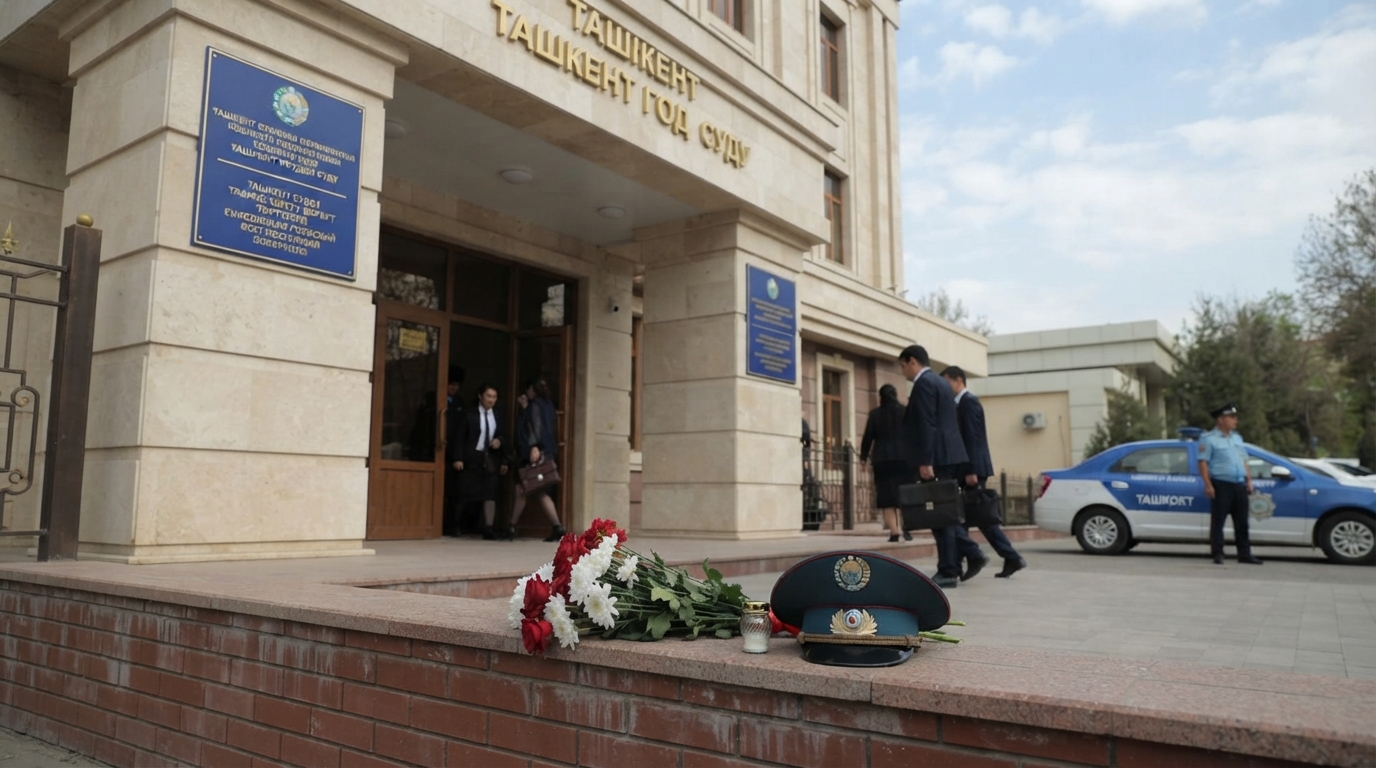
Tashkent courts have clarified the sentence of a teenager who struck and killed a road patrol inspector
The sentence handed down to him — 2 years and 4 months of imprisonment — sparked active debates on social media.
The press service of the Tashkent city courts explained that in this case, the primary task of justice is not revenge or causing suffering, but the rehabilitation of the teenager and his return to society. In accordance with the legislation, criminal cases involving minors are heard in closed sessions, and the imposed imprisonment is served only in special educational colonies, rather than in general regime institutions.
When passing the sentence, the court took into account that at the time of the crime, the defendant was not yet 16 years old and was a school student. The official statement notes that the system of punishment for minors is based on the principles of humanism, while the court perceives the public's emotional reaction to the tragedy with full understanding. Currently, the sentence has not yet entered into legal force, and the parties retain the guaranteed right to appeal it to a higher court.
As a reminder, on February 25 in Tashkent, a student of a private school, who did not have a driver's license or driving experience, was behind the wheel of a BMW M4. On Nukus Street in the Mirabad district, a road patrol service inspector ordered him to stop.
According to the investigation, the teenager took the car without authorization from a car wash, where it had been left on the instructions of the owners — relatives of his acquaintance. Lacking a driver's license and vehicle documents, he was driving along Nukus Street.
Following the inspector's order to stop, other cars slowed down, but the teenager, according to the investigation, drove around them and struck the road patrol officer, after which he fled. Two days later, the inspector died in the hospital.
Initially, the teenager was charged under Article 267 of the Criminal Code ("Carjacking") and paragraph "d" of Part 3 of Article 104 of the Criminal Code. However, during the trial, the carjacking charge was dropped, and the court considered the case only under Article 104.