

Taliban calls on US to return to Afghanistan
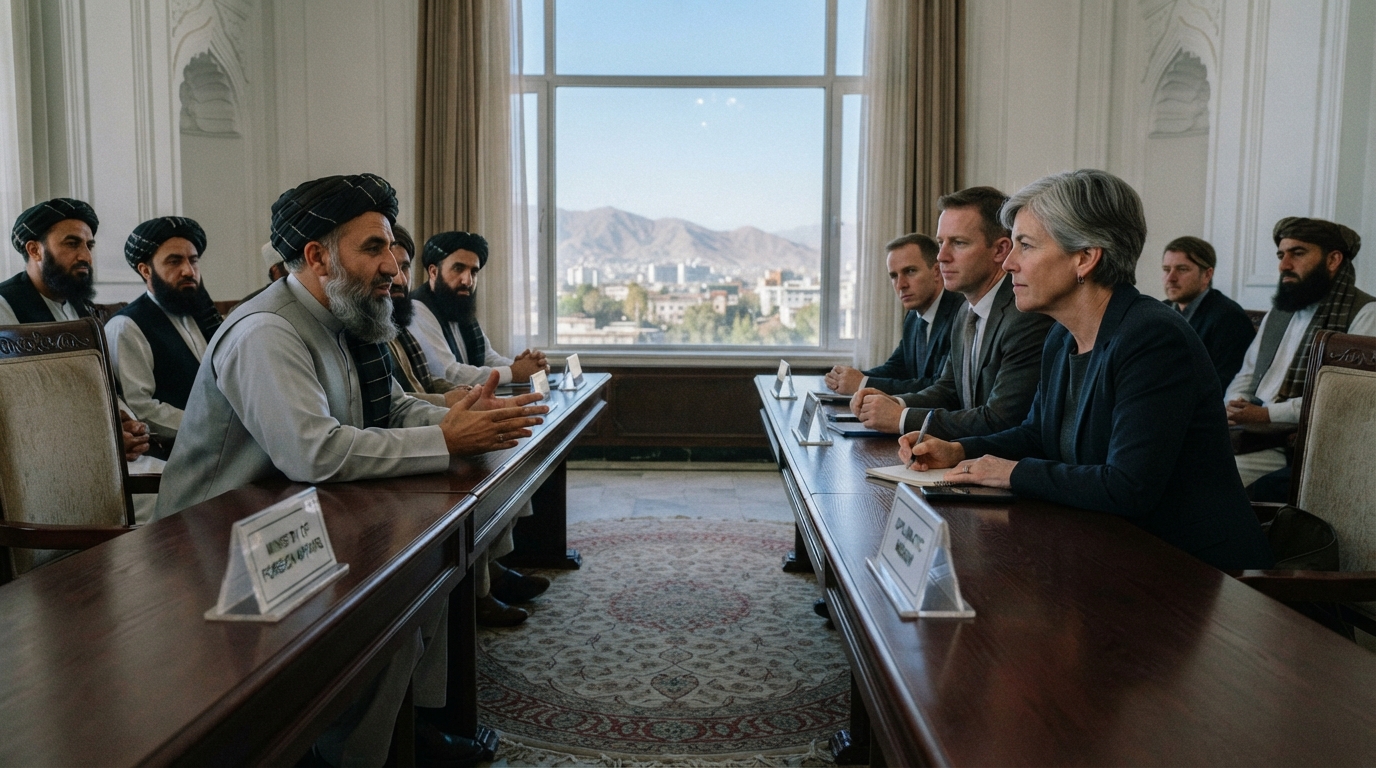
The Taliban is calling on the United States to return to Afghanistan, but this time with diplomats and investors rather than military forces. The call comes five years after U.S. forces left Afghanistan, Foreign Minister Amir Khan Muttahida Qadri told The New York Times in Kabul.
The Afghan foreign minister said the "page of war has been closed" and that he wants to "begin a new era of relations based on mutual respect and positive cooperation."
According to Muttahida, the United States can reopen its embassy, continue its diplomatic presence, and invest in Afghanistan's rich mineral resources, dams, and roads. Interestingly, three U.S. administrations and their allies have spent billions of dollars developing these projects, while the Taliban have spent 20 years trying to destroy them.
The public statement by a senior Taliban official is yet another attempt to pull the country out of international isolation. Efforts in this direction have so far yielded mixed results.
Over the past year, the Taliban administration has signed a defense cooperation agreement with Russia. Dozens of trade agreements have been signed with its Central Asian neighbors, including Uzbekistan. Taliban officials have regularly visited the Persian Gulf countries and met with Syrian President Ahmed al-Sharaa. They are also working with European countries that want to repatriate Afghan migrants.
According to former U.S. and Afghan officials familiar with Kabul politics, the Taliban government would consider the restoration of relations with the Donald Trump administration as the greatest achievement of its diplomatic efforts. The Trump administration is inclined towards commercial diplomacy and pays little attention to human rights.
The Taliban claims to have established order and security throughout Afghanistan, cleaned up government corruption, and created favorable conditions for foreign investment. However, efforts to normalize relations with the United States have stalled. In particular, the Trump administration has further distanced itself from the Taliban in 2025.
Washington has grown closer to Pakistan, which has carried out dozens of airstrikes in Afghanistan in early 2026. The United States is also waging war with Iran, one of the Taliban's few permanent allies. In addition, the United States has identified the Taliban as an entity that supports illegal detentions, has stopped issuing visas to Afghans, and has banned them from entering the United States.
Meanwhile, the Taliban have rejected several of Trump's demands, including the return of Bagram Air Base, which US forces have occupied for 20 years.
"As history has shown, no Afghan wants or tolerates another country's military presence on their soil," Muttaqi said.
**US response**
The US State Department, in a written response to Muttaqi's proposal, dismissed the possibility of normalizing relations. The response, citing a department spokesman, said the Taliban had failed to stabilize Afghanistan and had failed to meet its counterterrorism commitments. On the contrary, the government had allowed terrorist groups to use Afghanistan as a platform for attacks.
The US State Department said Washington would engage with the Taliban "only when it is in the best interests of the American people." Meanwhile, Muttaqi called on any country other than the US to invest in Afghanistan. The reason is that the Taliban government is currently in dire need of foreign capital.