

Tajikistan needs to diversify economy beyond labour migration and remittances, UN expert says
Tajikistan must broaden its economic base beyond its reliance on labor migration and remittances, a UN expert has advised. Following her official visit to the country, UN Independent Expert Attiya Waris suggested that Tajikistan leverage its economic growth and progress in poverty reduction to foster more dignified employment, enhance public services, and expand opportunities for women and youth.
Waris acknowledged Tajikistan's consistent stability through significant political and economic shifts, including civil conflict and profound economic restructuring. She advocated for the nation's current economic transition to prioritize diversified, job-rich growth that is aligned with human rights principles.
The expert commended the sustained economic growth, advancements in poverty reduction, and expansion of infrastructure. However, she pointed out that the economy remains heavily dependent on labor migration, remittances, and imports, while domestic production and exports are still in developmental stages. Waris emphasized, "Remittances have supported families, household consumption and poverty reduction, but they cannot substitute for sufficient, decent and productive employment at home."
Indeed, the World Bank recently reported that approximately a quarter of Tajikistan's workforce is employed abroad. Remittances from these migrant workers averaged nearly 50% of the country's GDP between 2022 and 2025, making the economy susceptible to economic fluctuations in destination countries.
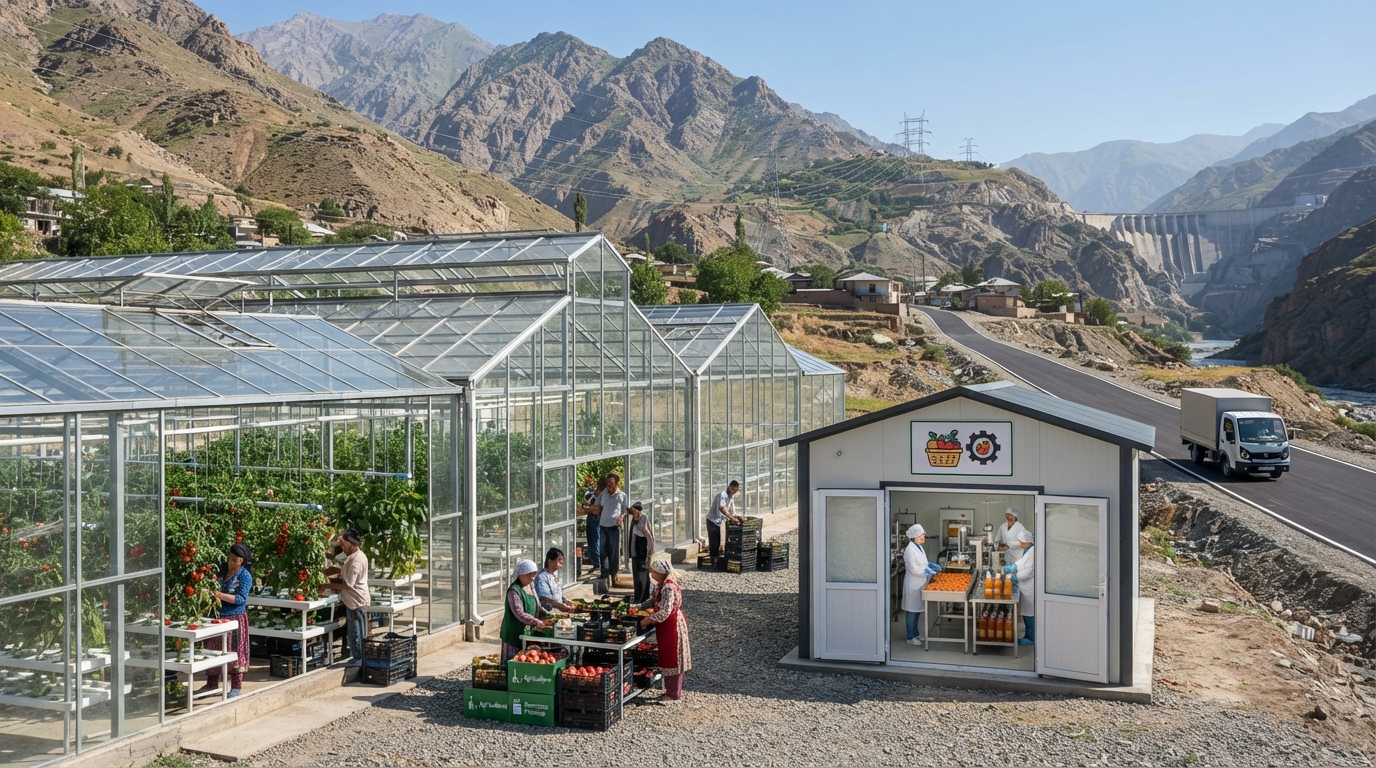
To address this, Waris recommended bolstering sectors such as agriculture and food processing, sustainable tourism, mineral value chains, and the digital economy. She also called for increased investment in education and skills development, reliable internet access, and improved financial access for small and medium-sized enterprises.
Waris urged the government to provide targeted assistance to women, young people, and rural communities to ensure that economic diversification generates wider opportunities. While acknowledging efforts to raise wages, she observed that low pay, limited childcare options, and shortages in social services continue to impede women's equal participation in the economy. She encouraged expanding childcare facilities, promoting financial literacy, and offering business-development support for entrepreneurs.
The UN expert highlighted the potential of the Roghun (Rogun) Hydropower Plant to satisfy Tajikistan's increasing domestic electricity demand and strengthen regional energy cooperation, welcoming its anticipated completion in 2033. She underscored that major infrastructure projects should be accompanied by transparent cost-benefit analyses, responsible financing, and public involvement.
Waris also advocated for greater transparency in public financial decision-making, asserting that citizens should have access to clear and timely information regarding public budgets, expenditures, debt, and major investment projects. She recommended strengthening public consultation in budget planning and assigning clearer responsibilities, resources, and accountability to ministries, specialized institutions, and local authorities.
During her visit to the Gorno-Badakhshan Autonomous Oblast, Waris praised improvements in road connectivity and the establishment of cross-border markets. However, she noted ongoing challenges related to difficult terrain, long distances, and deficiencies in transport infrastructure.
Waris expressed gratitude to the Tajik government for its cooperation and engagement with UN special procedures. Her visit marked the 13th official country visit by a special procedures mandate holder to Tajikistan since 2005.