

Strong El Nino approaching. Flood risk may increase in Central Asia
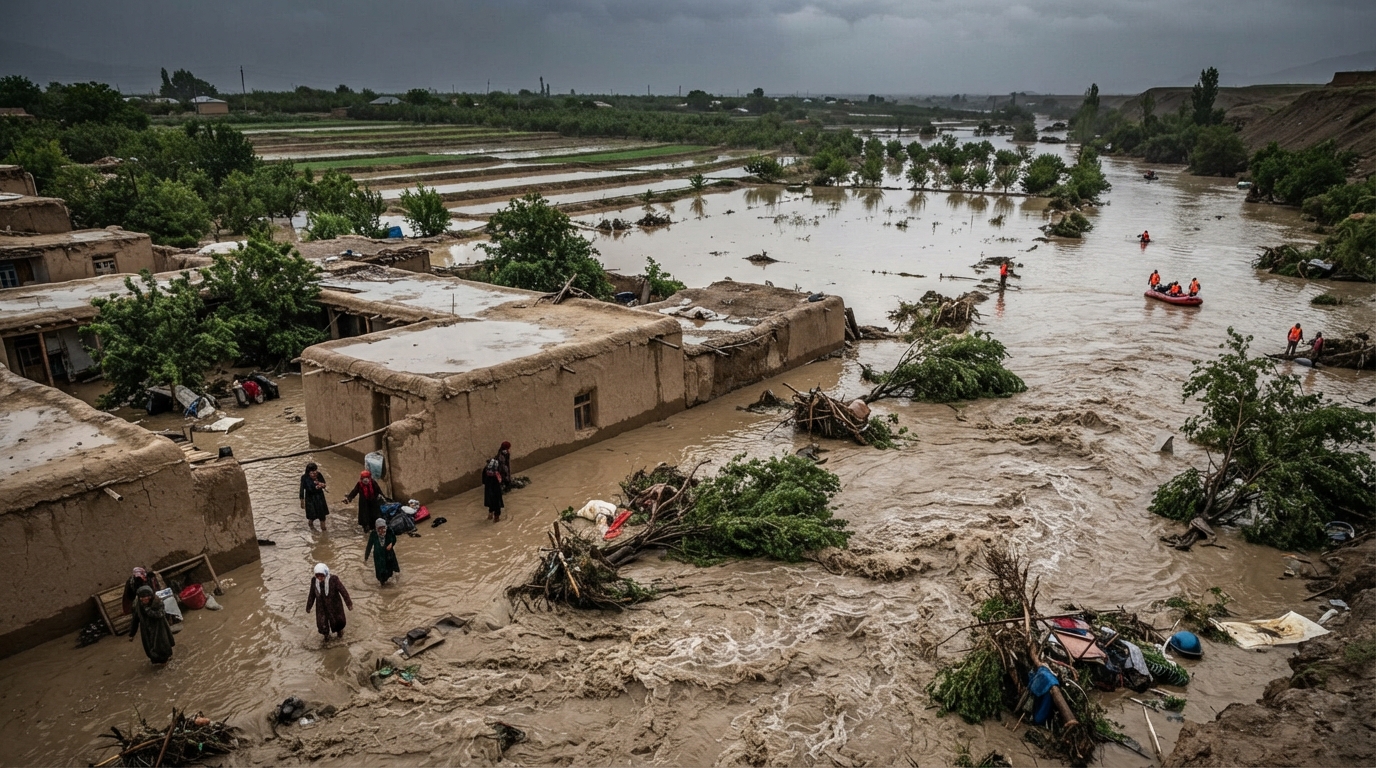
Strong El Nino approaching: Flood risk may increase in Central Asia
The El Nino phenomenon developing in the Pacific Ocean is likely to reach its strongest level in the last century. This was reported by Euronews, citing the Met Office meteorological service in the UK.
Adam Scaife, head of the Met Office long-range forecasting department, called the current signal "unprecedented". According to him, previous models did not show such a strong development of El Nino.
According to the World Meteorological Organization, the phenomenon may intensify in August-October, leading to above-normal temperatures and a sharp change in precipitation patterns in much of the world. In some monitoring areas of the Pacific Ocean, surface water temperatures are forecast to rise by more than 2.9 degrees Celsius above normal.
**How could it affect Central Asia?**
Although El Nino mainly affects tropical regions, its effects are also felt in other regions.
Previous El Niño events have increased the risk of flooding in South America, the southern United States, East Africa, and Central Asia. Drought and wildfires have also increased in Australia, Indonesia, and parts of South America.
Drastic changes in precipitation in Central Asia could affect river flows, reservoirs, the risk of mudslides and floods, and agriculture.
In countries such as Nicaragua, Colombia, Brazil, and India, reduced precipitation could damage corn, legumes, and irrigated areas, which could affect exports and food prices.
Experts also say that El Niño itself is not the main cause of global warming. It usually temporarily raises global average temperatures by about 0.2 degrees Celsius, while human-induced climate change has already raised the planet's temperature by 1.3 to 1.5 degrees Celsius above pre-industrial levels.
**2027 could be the hottest year on record**
A strong El Niño, combined with human-induced climate change, is likely to make 2027 the hottest year on record, the Met Office has predicted.
El Niño is caused by warmer-than-normal sea surface temperatures in the eastern Pacific Ocean and usually occurs every two to seven years. It can temporarily raise global temperatures, causing droughts and fires in some areas and heavy rainfall and flooding in others.
The first clear signs of El Niño were seen in the Pacific in May, which experts say could lead to a further rise in global temperatures.
In June, the UN warned that Central Asia could experience above-normal rainfall. The forecast is linked to the formation of an El Niño event.
In August, it was reported that a strong El Niño could expose an estimated 49 million people to acute food insecurity by the end of 2027. The probability of a very strong El Niño occurring was estimated at 81 percent.
The previous El Niño in 2023-2024 was also one of the strongest on record. It reached a high level of activity from November 2023 to January 2024.