

Scientists of Uzbekistan presented a genetic portrait of the indigenous population
Scientists of Uzbekistan presented a genetic portrait of the indigenous population
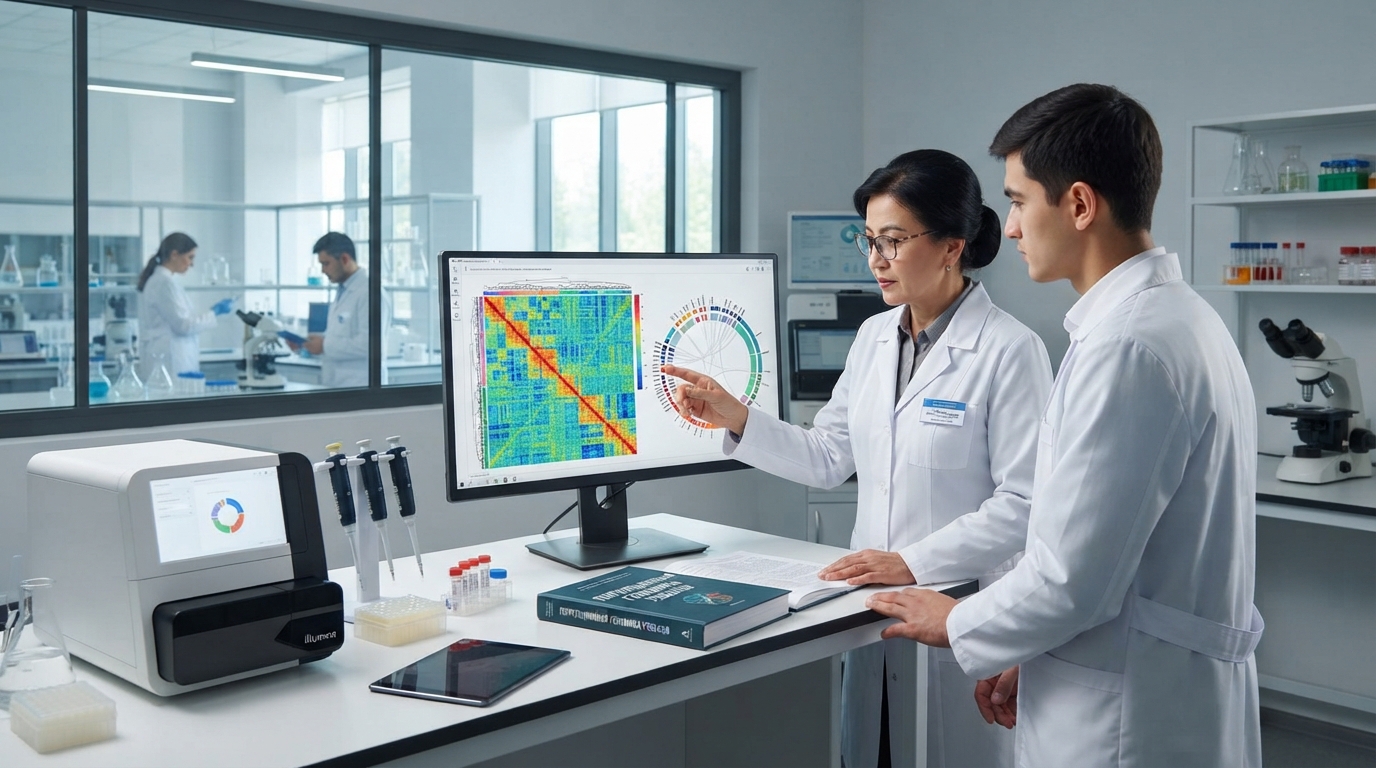
A monograph dedicated to the population genomics of Uzbeks has been published in the country. Researchers collected and analyzed dozens of works to show that personalized medicine is impossible without taking into account national genetic characteristics.
The majority of global genetic projects rely on European data — more than 90% of studies in the international GWAS catalog are dedicated to them specifically. Asian groups account for only 3.14%. This means that the conclusions of such studies cannot be unconditionally applied to other peoples, including Uzbeks.
The authors of the monograph reviewed 301 publications, 34 of which were examined in the greatest detail. The publication compiles data on hereditary factors associated with cardiovascular, oncological, and metabolic diseases. Special attention is paid to type 2 diabetes: according to researchers' estimates, the real number of cases in the country is ten times higher than the official statistics of dispensaries.
Scientists identified genetic risk markers, developed a screening panel, and tested it. These results could form the basis of test systems that will help doctors select treatment taking into account the patient's individual characteristics.
The monograph was prepared by the Center for Advanced Technologies together with the Republican Cardiology Center and the Tashkent State Medical University.
The significance of this work extends beyond domestic science. In the long term, such research will help transition from a one-size-fits-all approach to medicine toward a more individualized system of prevention, diagnosis, and treatment.
Furthermore, in October 2025, scientists at the Center for Advanced Technologies fully sequenced and analyzed the genes of Uzbekistanis for the first time in the country's history. Nearly a third of the discovered mutations turned out to be unknown to global science and were submitted to international databases.