

Scientists have discovered a new penguin species for the first time in 100 years
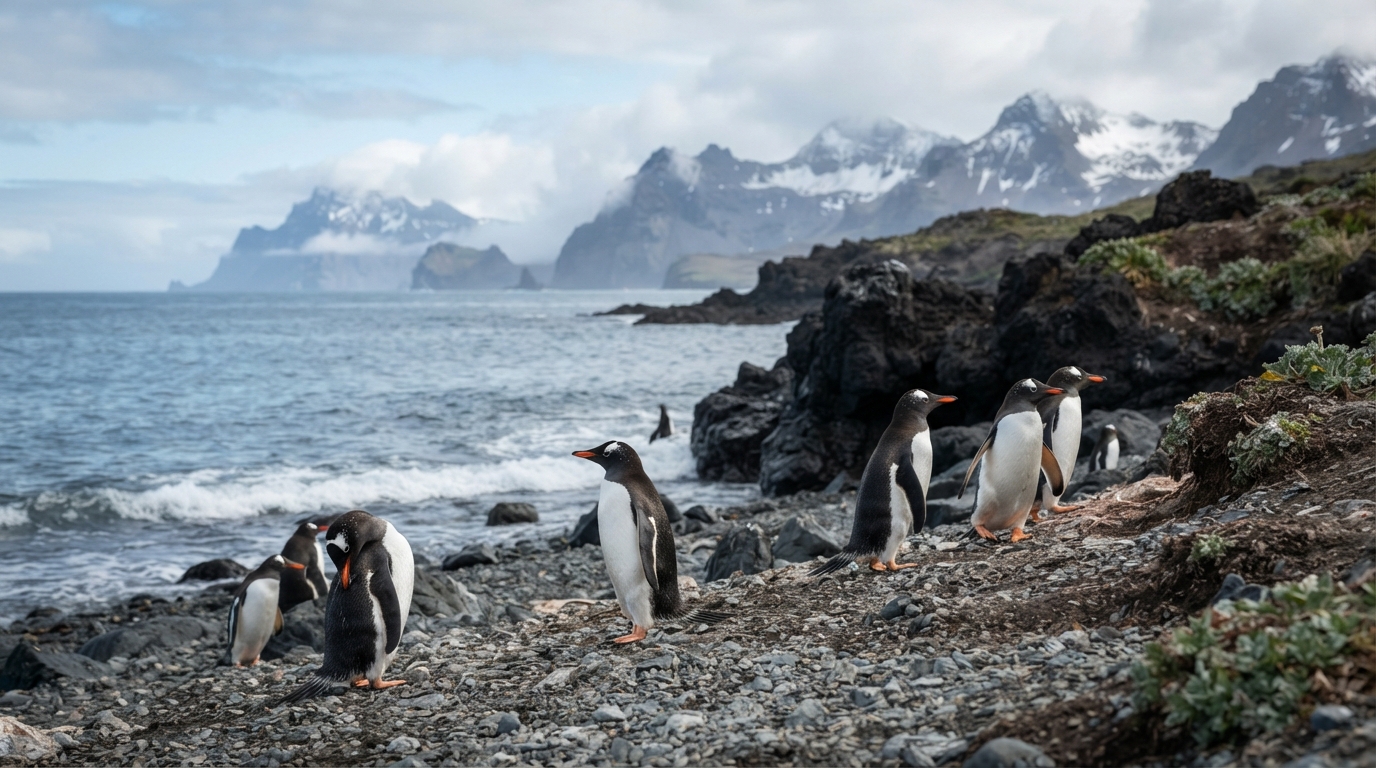
Scientists discover new penguin species in 100 years
A new species of penguin has been discovered on the Kerguelen Islands in the southern Indian Ocean. Researchers believe this is the first new penguin species to be scientifically described in more than 100 years, ScienceDaily reports.
The new species has been named Pygoscelis kerguelensis. Previously, these birds were thought to belong to the Gentoo penguin species. However, genetic analysis showed that this population on Kerguelen differs significantly from other Gentoo penguins.
By analyzing the complete genomes of 64 penguins from ten colonies, scientists discovered that the birds, previously considered a single species, actually belong to four independent species. It has been proposed to recognize the other three populations as separate species as well.
According to researchers' estimates, these four species diverged from each other during the evolutionary process approximately 300,000–500,000 years ago. One of the factors that caused this is the long-term geographical isolation of populations living on remote islands.
Scientists warn that the new penguin species could face survival risks due to climate change. According to climate models, habitable areas on the islands where these penguins live are likely to shrink by 2050.
Papua penguins, also known as Gentoo penguins, live on the Antarctic Peninsula, the South Atlantic islands, and sub-Antarctic archipelagos. They are considered one of the fastest-swimming penguins, with underwater speeds reaching up to nearly 36 kilometers per hour.