

A new species of cat unknown to science has been discovered in Bolivia
In Bolivia, a wild cat species previously unknown to science has been discovered. Since the inhabitants of the region called these animals tilcayo, it was named Leopardus tilcayo.
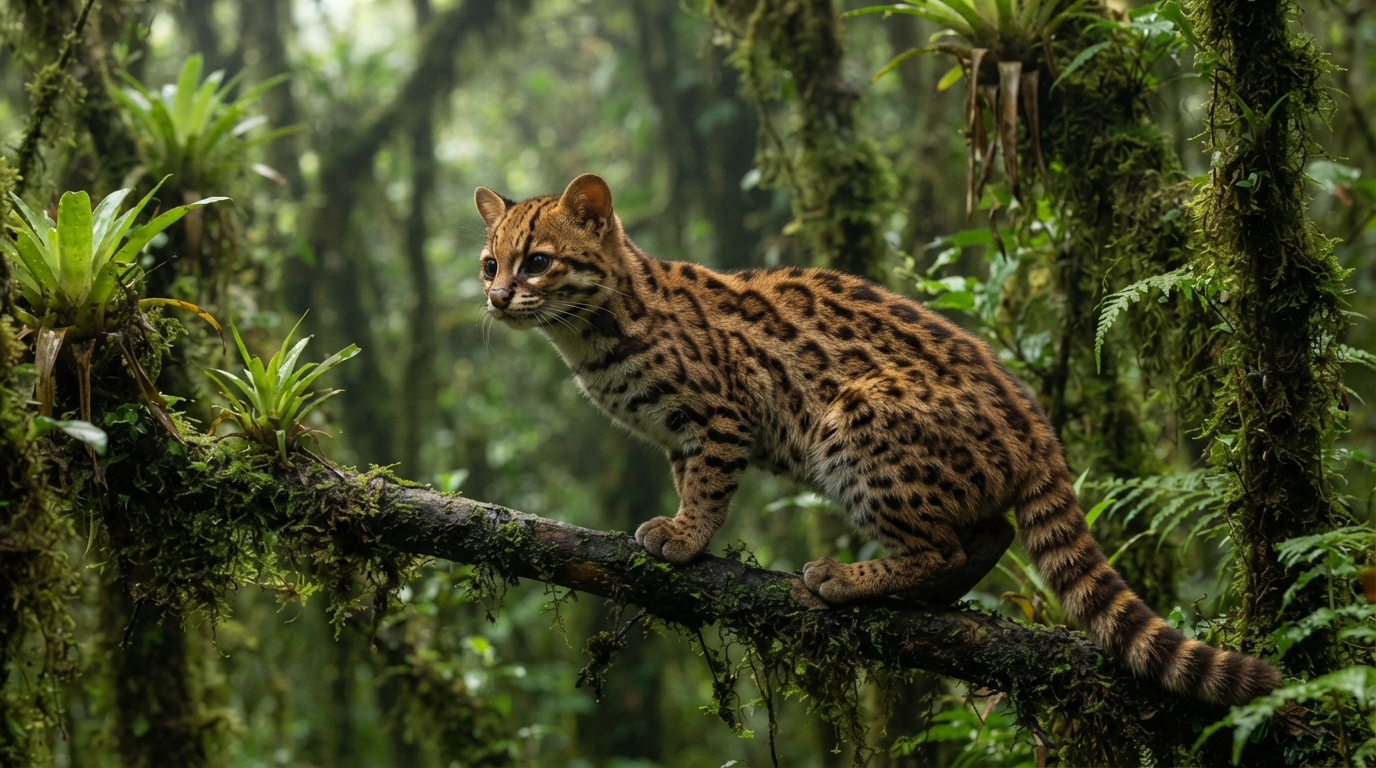
A new cat species unknown to science has been discovered in Bolivia
This cat lives in the Yungas region — the humid mountain forests on the eastern slopes of the Andes. It is much smaller than an ordinary domestic cat: its body length is about 46 centimeters, and it weighs about 1.4 kilograms. Leopardus tilcayo has light brown fur covered with large spots.
The history of the discovery began in 2016. At that time, biologist and National Geographic explorer Paola Nogales-Ascarrunz received a report about a "strange cat" from the Senda Verde shelter in Bolivia. The animal was found on a road near the forest and was initially thought to be an ordinary domestic cat. About a year later, the family realized that this creature was indeed wild and handed it over to the shelter. Currently, this male cat is about 10 years old.
At first, scientists believed it belonged to the Leopardus tigrinus species. But in 2019, Nogales-Ascarrunz noticed that the Bolivian cat differed significantly from the animals described in reference books in neighboring Brazil, particularly standing out with its much larger spots. Later, genetic analyses confirmed that these differences were much deeper.
"We absolutely did not expect this Bolivian tiger cat to turn out to be a separate species. Previously, no one had proposed to consider it as a distinct animal — neither as a species nor as a subspecies," said Jonas Lescroart, an evolutionary biologist at the University of Antwerp and one of the study's leaders.
Very little is currently known about the life of Leopardus tilcayo. Scientists have studied only two living animals and a few recordings from camera traps. Remains of small rodents in fecal samples indicate that they may be part of the cat's diet, while images from automatic cameras suggest that it is more active at night than during the day. The population size of the species in the wild is unknown.