

Saudi Arabia has restarted the "East—West" oil pipeline
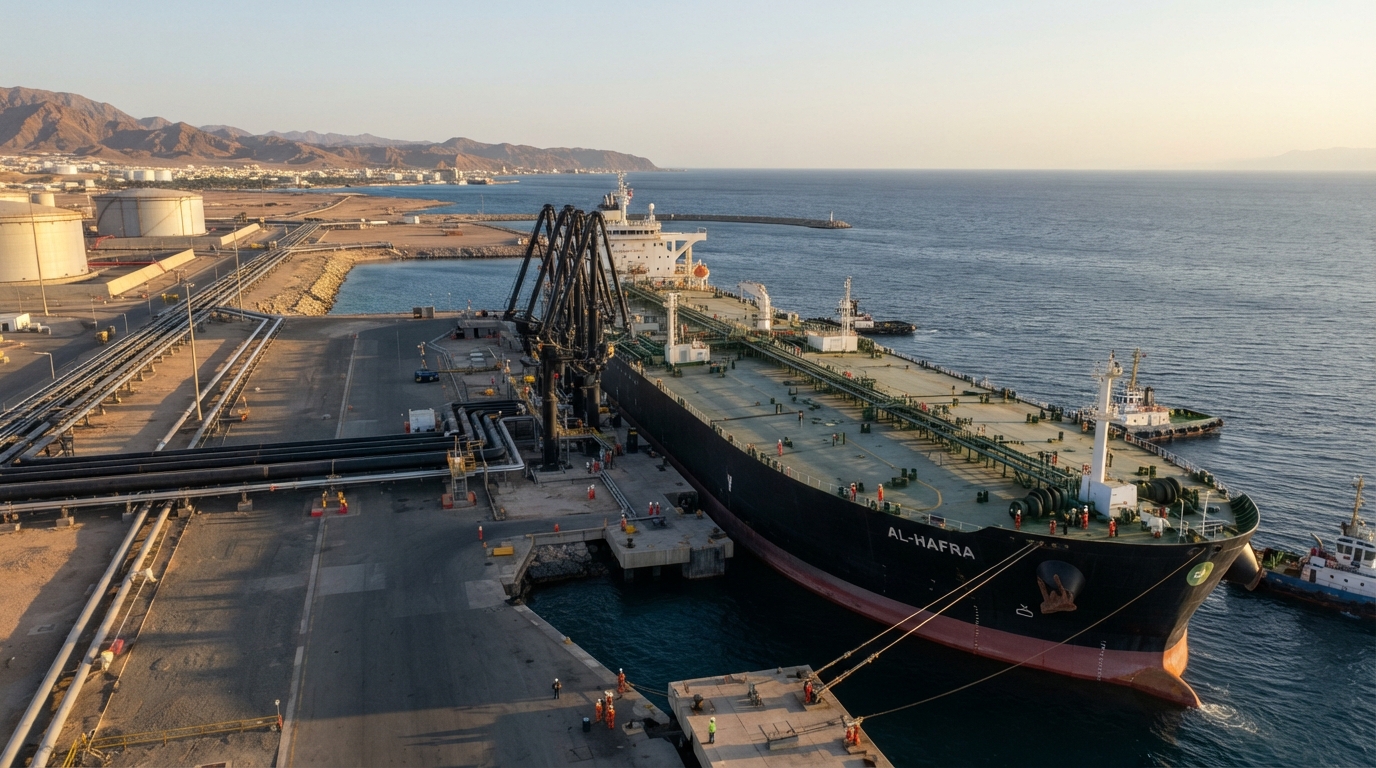
Saudi Arabia restarts "East-West" oil pipeline
Saudi Arabia has announced the resumption of the "East-West" oil pipeline's operations following a drone attack. Reuters, citing sources, writes that the country could resume oil exports from the Yanbu port on the Red Sea late on September 22.
According to two of the sources, the pipeline is currently operating at low capacity. Saudi Arabia's state energy company, Saudi Aramco, has not yet commented on the situation.
On September 12, Saudi Arabia was forced to shut down the "East-West" oil pipeline due to a drone attack. As a result, the loading of crude oil onto vessels at the kingdom's Yanbu port was halted.
The attacks targeted the pipeline's facilities in the Riyadh and Medina regions. The Saudi side stated that the drones were launched from Iraqi territory, but did not disclose who was behind the attack. However, US President Donald Trump blamed Iran for the attack on the Saudi oil pipeline.
The "East-West" pipeline is nearly 1,200 kilometers long and is considered the main alternative route for transporting Saudi oil to the global market without passing through the Strait of Hormuz.
According to estimates by vessel tracking companies and analysts, 4–5 million barrels of oil per day have been transported through the pipeline in recent months. This is equivalent to approximately 4–5 percent of the global oil supply.
The Strait of Hormuz has been practically closed due to the conflict that arose following US and Israeli strikes on Iran. Nearly one-fifth of the world's oil and liquefied natural gas trade typically passes through this route. For this reason, Saudi Arabia has been relying more on the Red Sea route to bring its oil to the global market in recent months.