

The war in the Middle East is expanding: Saudi Arabia and the Houthis have launched airstrikes against each other again
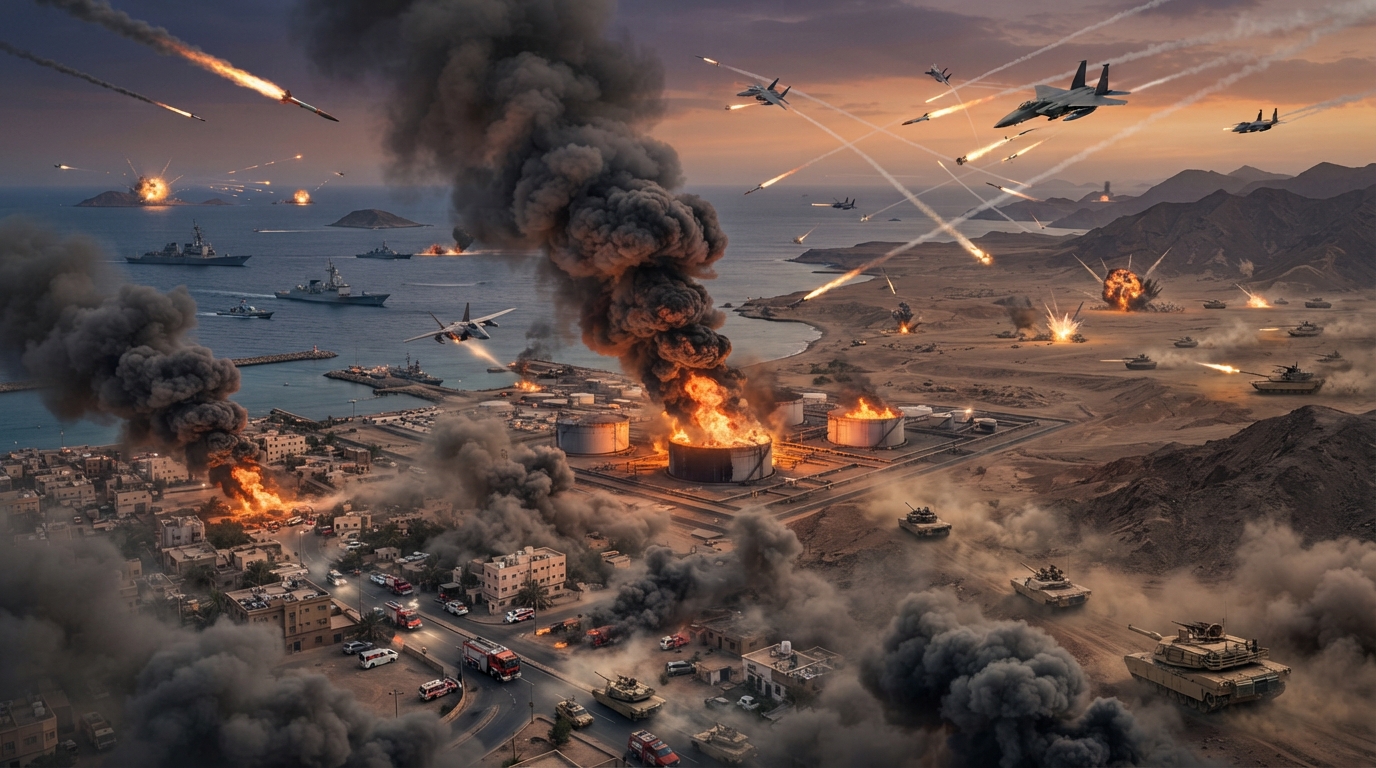
The war in the Middle East is expanding further: Saudi Arabia and the Houthis have launched airstrikes against each other once again
According to information released on September 16 by the Iran-backed Houthis, Saudi aircraft struck Yemen. In response, the Houthis launched drones and missiles at Saudi cities. According to Reuters, the Houthis' actions within the framework of the Middle East war have further strengthened Tehran's influence.
As a new front has opened in the war, the US issued a warning regarding Saudi Arabia. Government employees have been prohibited from traveling within 32 kilometers of the Yemeni border.
The Houthis, who have seized Yemeni cities on the Red Sea coast since last week and taken control of islands in the Bab al-Mandab Strait, released a new video. It shows armored vehicles being seized from Saudi-affiliated forces, military aircraft flying in the sky, and explosions occurring in the desert.
Houthi military spokesman Yahya Saree said the group had launched drones and ballistic missiles again at Saudi Arabia's Yanbu oil port and its military base in Khamis Mushait. He did not disclose when the strikes were carried out. Saudi Arabia had declared an alert in these cities on September 15.
Earlier, Yahya Saree claimed that the Houthis had shot down a Saudi F-15 fighter jet. However, no evidence was provided regarding this incident.
Saree said Saudi Arabia had carried out up to 450 airstrikes on Yemen within a week. Government officials in southern Yemen acknowledged that airstrikes had been carried out on Houthi positions. Riyadh itself has not yet confirmed this.
The Houthis launched consecutive missiles into Saudi Arabian territory over the course of a week. Last week, Saudi Arabia's "East-West" oil pipeline was disabled due to an attack by pro-Iranian forces in Iraq. This pipeline was the main route bypassing the Strait of Hormuz.
Riyadh announced on September 15 that it had shot down a Houthi drone south of Mecca. Officials assessed this as crossing a "red line." Yahya Saree, however, denied that Mecca had been attacked, calling it a Saudi fabrication.
According to Reuters sources, US officials met with the Houthis in Oman over the weekend. During the meeting, the Houthis stated they had no intention of attacking US ships and would abide by the ceasefire reached in 2025.
The spread of the war to Yemen could further exacerbate the oil shortage caused by the six-month-long war of the US and Israel against Iran. This war has halted shipping in the Strait of Hormuz.
On September 16, a barrel of Brent crude oil was priced at around $108. This is the highest figure since May. In the US, diesel fuel prices reached a record high, exceeding $6.30 per gallon.
Traders note that a prolonged closure of the "East-West" oil pipeline could reduce global oil supplies by 4 percent. Saudi Arabia has not announced when the pipeline will resume operations. However, US Energy Secretary Chris Wright stated on September 15 that crude oil would flow through the pipeline again within a few days.