

Saudi Arabia asked China to pressure Iran and the Houthis — source
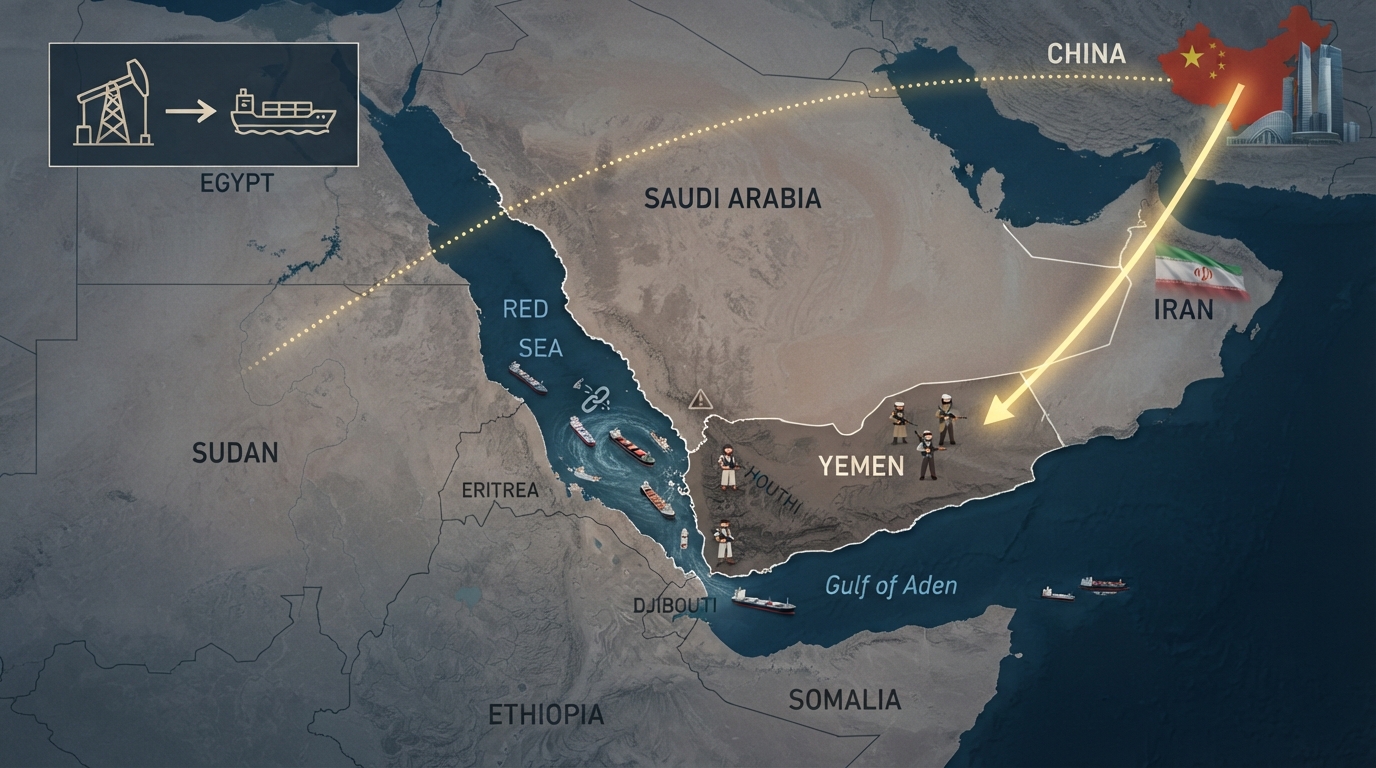
Saudi Arabia asked China to pressure Iran and the Houthis — source
Saudi Arabia has turned to China to help exert influence on the Houthis. Following this, Beijing called on Iran to rein in the Yemeni Houthis. Reuters reported this, citing three Iranian sources familiar with the situation.
Over the past week, the Houthis have advanced rapidly along the Red Sea coast and around the Bab al-Mandab Strait. This situation began to pose a threat to Saudi oil exports and shipping. For this reason, Riyadh was forced to ask China for help.
China had previously publicly called for restraint, dialogue, and the restoration of safe maritime navigation. However, the country's message to Iran is said to have been firmer than official statements.
China is the world's second-largest economy, and its economy is highly dependent on energy routes. Therefore, Beijing wants Iran to use its influence over the Houthis and prevent the conflict from spilling over into energy routes.
Details on how the message was delivered were not disclosed. It is also unknown whether this communication took place during Iranian Foreign Minister Abbas Araghchi's visit to China on September 16. According to sources, Chinese officials did not threaten Tehran with economic measures.
In response to this appeal, the Iranian side stated that stability and peace in the region depend on stopping the US and Israeli war against Iran.
In response to a request from Reuters, the Chinese Ministry of Foreign Affairs also reacted. The ministry emphasized that Beijing does not want regional tensions to spread to Yemen and the Red Sea, and that increased instability is in no party's interest.
It was also stated that the sovereignty and security of all countries must be respected, and facilities vital to the lives of the population must not be targeted. China called for an end to actions that further complicate the situation and for resolving issues through dialogue. Neither the Iranian Ministry of Foreign Affairs nor the government of Saudi Arabia responded to Reuters' request.
China has been Iran's largest trading partner for more than a decade, and the country is the main buyer of Iranian oil. According to the analytical company Kpler, in 2025, Beijing purchased more than 80 percent of Iran's oil exports. This means an average of 1.4 million barrels per day.
The Houthis emerged in the 1990s. According to Western and Iranian sources, they are armed, trained, and funded by Iran. They are considered part of Tehran's "Axis of Resistance."
Since Iran began blocking the Strait of Hormuz, the Houthi threat in the Red Sea has been further exacerbating the global energy crisis. If the Houthis continue attacks on ships and ports in the Red Sea, two of the Middle East's main oil routes will be disrupted simultaneously.
For reference, on September 16, the Houthis shot down a Saudi Arabian F-15 fighter jet in Yemeni airspace. On September 15, Saudi Arabia destroyed a Houthi drone launched towards Mecca.