

Pakistan warned Iran to hold back the Houthis
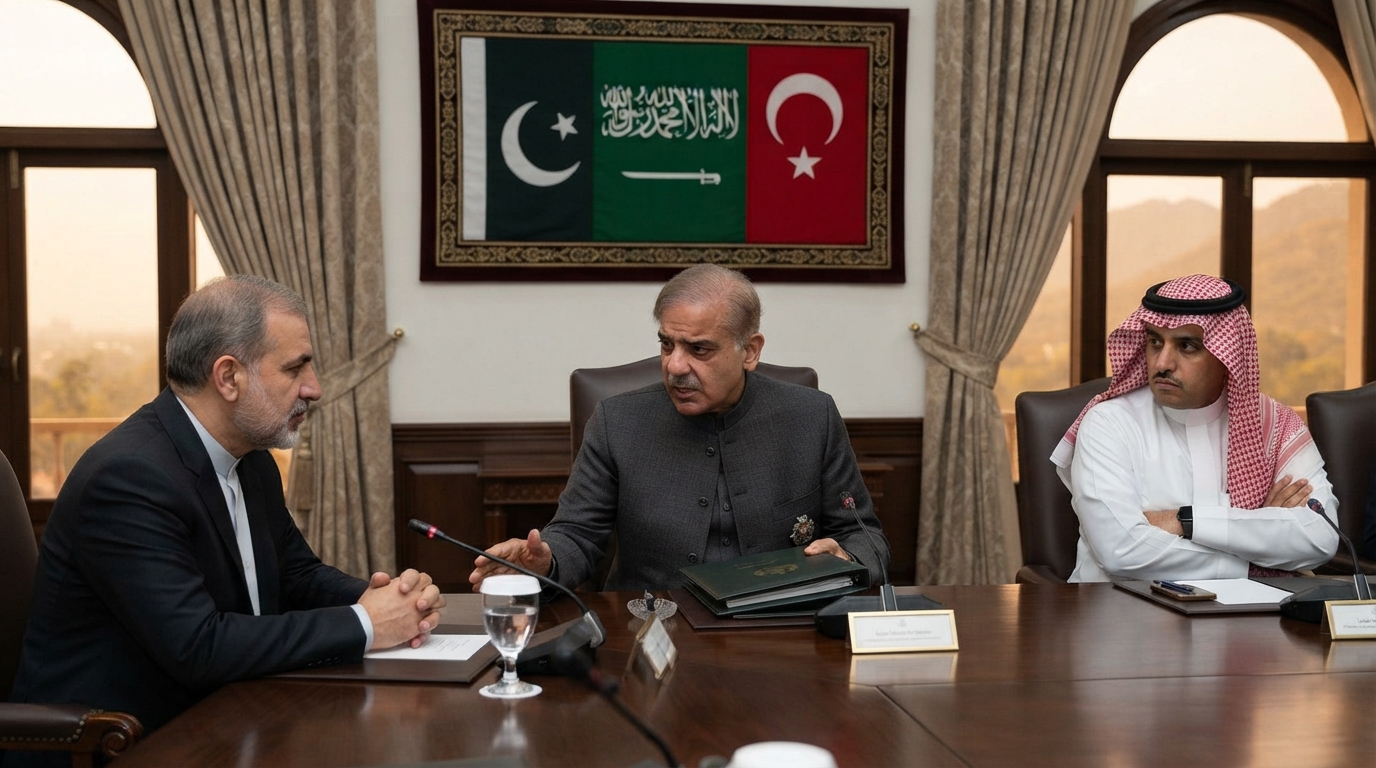
Pakistan Sent Warning to Iran Regarding Reining in the Houthis
Pakistan has conveyed Saudi Arabia's warning to Iran. Riyadh is asking Tehran to rein in the Yemeni Houthis. According to Saudi, Pakistani, and Iranian sources, this step is being taken to prevent further escalation of the crisis, Reuters reported.
On September 8, the Houthis struck an airbase in the city of Khamis Mushait and oil facilities in nearby cities. As a result, 73 people were injured. This was one of the largest attacks on Saudi Arabia since the war between the US and Israel against Iran began in February.
Houthi military spokesperson Yahya Saree made a statement on September 9. He said that Saudi warplanes had carried out 54 airstrikes on various provinces of Yemen over the past 12 hours. Saree stated that these attacks would not go unanswered and unpunished.
Due to the escalating conflict, a second flashpoint is emerging in the Middle East, threatening the world's energy supply. At the same time, Iran and the US continue military clashes in the Persian Gulf. Pakistan's warning to Iran is of great significance, as the country has a defense agreement with Saudi Arabia and Turkey.
Islamabad officials emphasized that any military role would be limited solely to defending Saudi territory. However, Pakistani Defense Minister Khawaja Asif said that if the attacks crossed into the kingdom's territory, the joint security agreement between Riyadh, Ankara, and Islamabad would be triggered.
"An aggression against one country is considered an aggression against all three countries. There is no confusion or doubt here. An unprovoked aggression or conflict in Saudi Arabia will definitely bring this agreement into force," Asif said on Pakistani television.
Pakistan's Ministry of Defense, Ministry of Foreign Affairs, and the military did not comment on Reuters' request regarding this matter.
For years, Pakistan had maintained a balance in its relations with Saudi Arabia and Iran. Its intervention in the situation shows how serious the Houthi attacks are.
"According to sources, the message delivered to Tehran is clear: stop the Houthis, otherwise the proxy conflict will turn into a broader regional security crisis," the report said.
A senior regional diplomat said Pakistan conveyed this message to Iran within the last 24 hours. Islamabad asked Tehran to use its influence to stop the Houthi attacks on Saudi Arabia.
A senior Iranian official confirmed that Pakistan delivered this message to Tehran on Tuesday. The response from Tehran was that "Iran does not control the Houthis."
However, two Iranian sources provided different information. They said that Tehran ordered the Houthis to attack Saudi Arabia last week. Tehran promised them additional funds and weapons. Several commanders of the Islamic Revolutionary Guard Corps went to Yemen to help coordinate the attacks.
The diplomat stated that Islamabad is trying to stop the Houthis before the situation escalates to a point where Riyadh asks Pakistan for more active military assistance.
"Pakistan has an agreement with Saudi Arabia. But I hope the situation does not reach a point where Pakistan is forced to practically intervene. For now, the diplomatic route is being used," the diplomat told Reuters.
A Pakistani source said that Saudi officials met with Pakistani and Turkish military representatives in Riyadh to coordinate response measures. The three countries agreed not to send their troops into Yemen and that any retaliatory strike would be launched only from Saudi territory.
A second Pakistani source said no decision had been made regarding joining retaliatory strikes. He emphasized that the defense agreement with Riyadh is limited solely to defending Saudi territory. Pakistani forces could provide military, technical, ground, or air assistance inside Saudi Arabia. However, they will not participate in combat operations on foreign territory.
The regional diplomat added that the pressure campaign being conducted by Iran and the Houthis could backfire on Tehran.
Tehran is targeting Persian Gulf security to pressure Washington over the blockade of Iranian ports. However, instead of severing ties between Saudi Arabia, Pakistan, Turkey, and other US-allied nations, this action is forcing them into closer cooperation on mutual security.