

Rare disease drug Tavneos recalled in Republic of Ireland
Tavneos is used to treat adults with severe and rare autoimmune diseases which cause inflammation of the blood vessels.
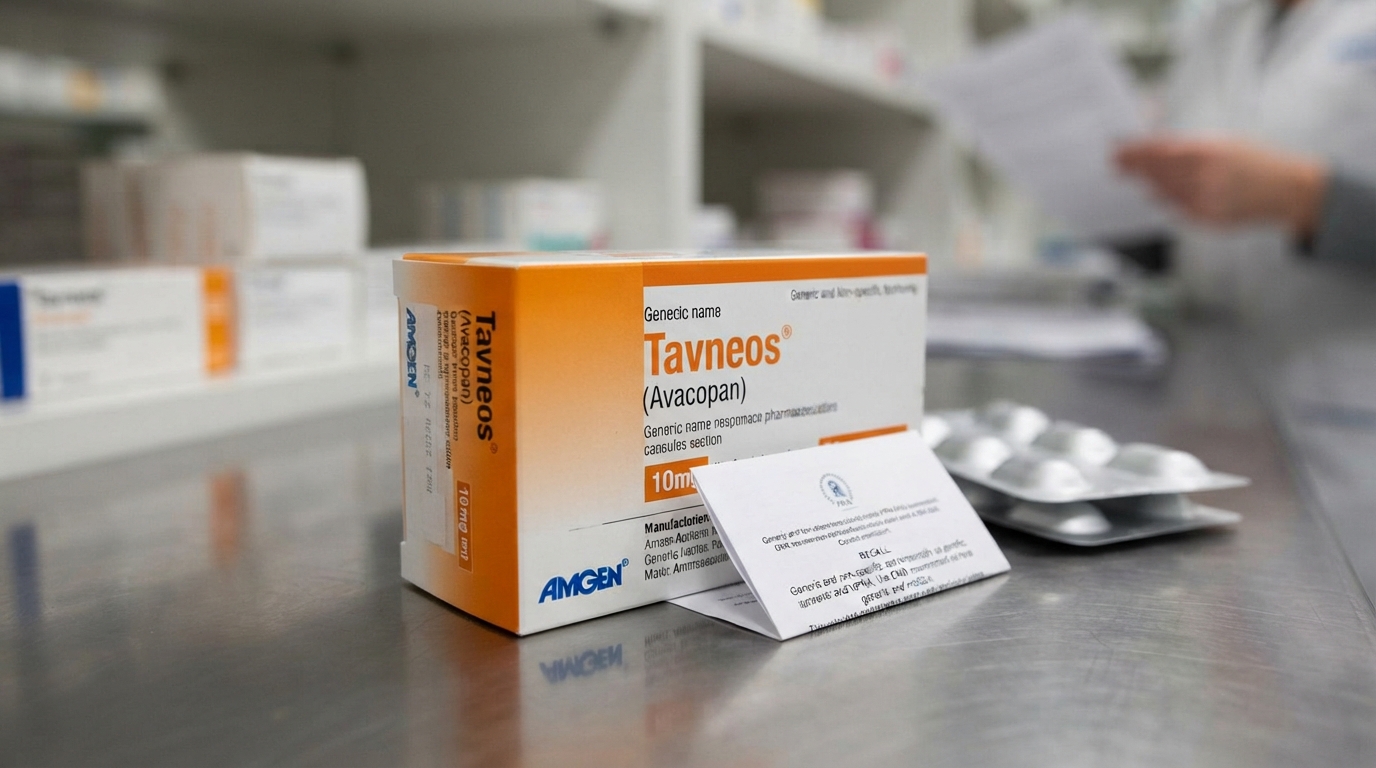
Tavneos, a medication prescribed for uncommon autoimmune conditions, has been pulled from circulation in the Republic of Ireland.
Manufactured by the American biotechnology company Amgen, Tavneos (Avacopan) is distributed globally through various partner pharmaceutical firms.
In May, Kissei, the company holding the drug's rights in Japan, disclosed 20 fatalities among over 8,500 patients treated with Tavneos in that country since 2022. Amgen has previously stated that "these figures include cases for which a causal relationship with the product could not be determined," indicating uncertainty regarding Tavneos as the direct cause of these deaths.
Tavneos is prescribed to adults suffering from severe and rare autoimmune diseases characterized by blood vessel inflammation.
The European Medicines Agency advised in July that the drug's market authorization be revoked, a recommendation subsequently endorsed by the European Commission earlier this month.
Distribution of Tavneos from wholesalers in the Republic of Ireland ceased on August 11. On Thursday, the Health Products Regulatory Authority (HPRA) requested the recall of all remaining wholesale stock.
According to Irish broadcaster RTÉ, approximately 60 individuals were treated with Tavneos prior to the European Medicines Agency's recommendation.
The HPRA noted that only consultants with "specialist experience in management of these conditions" prescribed the drug, and some had already opted to discontinue its use for their patients. The HPRA advises patients currently on Tavneos not to cease treatment without first consulting their physicians.
France's medicine safety agency, ANSM, announced that a "recall of all batches" of the drug available in the country would commence on August 19.
In June, the Medicines and Healthcare products Regulatory Agency (MHRA) in the UK stated it was conducting a review. The MHRA has been contacted for additional comment.