

Protests took place in Syria due to rising fuel prices
**Protests break out in Syria following fuel price hikes**
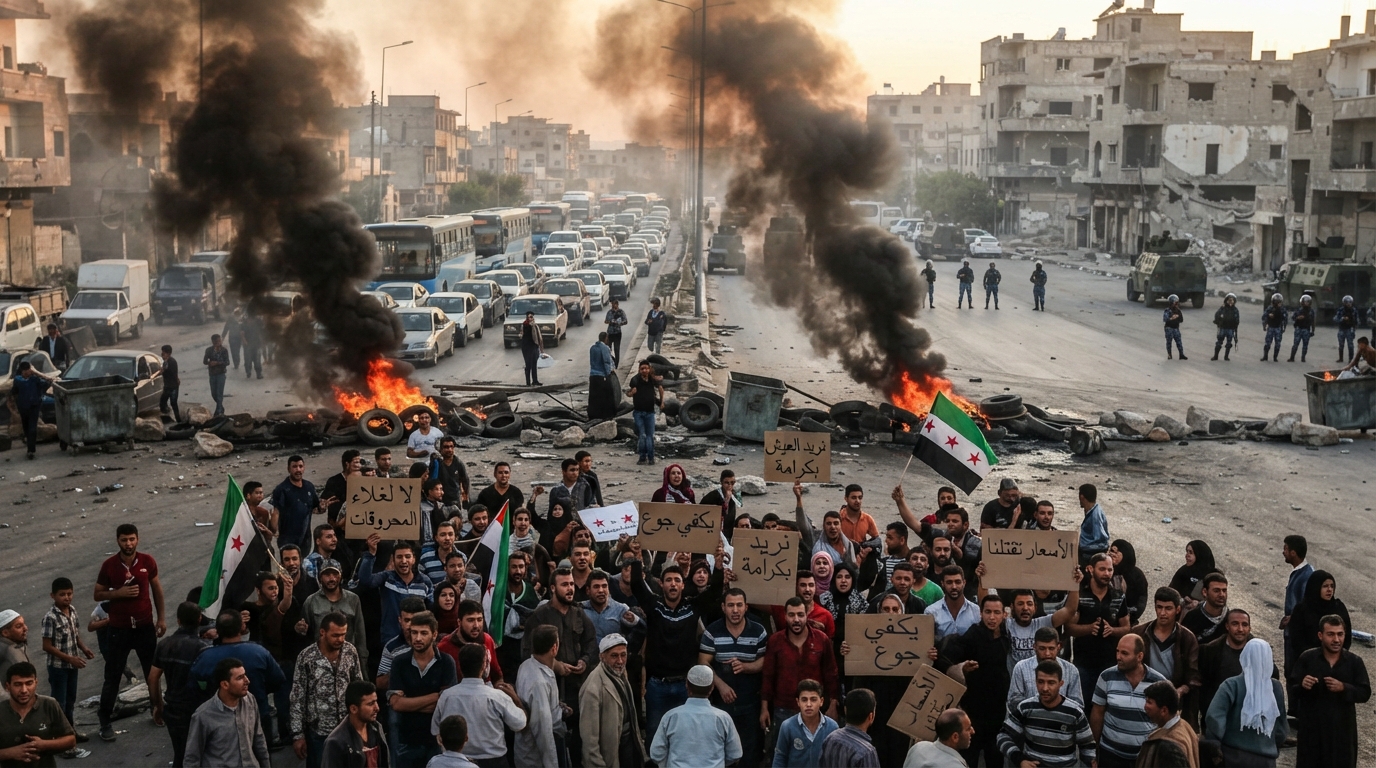
The rise in fuel prices in Syria triggered sharp protests across the country over the past weekend. This has become the largest mass demonstration in the country since Bashar al-Assad was ousted from power two years ago.
On September 12, the Syrian government increased the price of diesel fuel by 40 percent, bringing it to 175 Syrian pounds ($1.32) per liter. Following this, residents took to the streets, burned car tires, and blocked the highway connecting the capital Damascus with the industrial hub of Aleppo.
The price hikes have further worsened the situation for Syrians, who have already been living in an economic crisis for many years. According to estimates by the UN Development Programme, 90 percent of Syria's population lives below the poverty line. Before the civil war began in 2011, this figure was about one-third.
This latest price increase was one of the sharpest since the war began. The government also raised the price of household and industrial gas by about 9 percent. AI-95 gasoline became 28 percent more expensive, rising to 195 pounds. Meanwhile, AI-90 gasoline increased by 26 percent, reaching 185 pounds.
Protesters also blocked convoys of crude oil tankers heading to refineries in central Syria. Some demanded the resignation of the ministers of energy and economy, as well as the head of the Syrian national oil company.
"We don't need a salary increase. Our only wish is for the prices of diesel and other fuels to go down," Yasser Salim, a resident of Aleppo, told Reuters.
Another citizen who participated in the protest in Aleppo, Bassam al-Ali, directly addressed President Ahmad al-Sharaa, saying the situation was unbearable.
"Border crossings are bringing in millions of dollars in revenue. We don't need new intersections or shopping malls. We just want to live," he said.
**Russian supply under pressure**
Energy Ministry spokesperson Abdulhamid Salat issued a statement on September 13, saying that the price increase was a temporary measure and was linked to costs on the international market and Syria's dependence on imports. According to him, prices could be reviewed again depending on how the situation changes.
Syria is heavily dependent on Russian crude oil. In 2026, the country is importing approximately 60,000 barrels of oil per day. Nevertheless, Damascus has indicated to Washington that it is ready to sharply reduce these purchases.
However, Ukraine's attacks on Russian oil refineries have reduced production. As a result, Moscow was forced to restrict gasoline and diesel exports, which put pressure on supplies.
Salat said that prices do not only reflect the cost of crude oil. Shortages of finished products, as well as increases in refining, transport, and supply costs, have also had an impact. The closure of the country's largest Baniyas refinery for three months for its first full maintenance work also exacerbated the fuel shortage.
For this reason, AI-95 gasoline has become about 86 percent more expensive since February, while the price of diesel has more than doubled. The price of Brent crude oil rose from $72.48 to $104.61 per barrel, an increase of about 44 percent.
Imad Abu Ras, a 44-year-old taxi driver, said passengers have started to object to the fare increases.
"Now, following fuel, the prices of vegetables and everything else will rise. What is the solution? To steal? We cannot steal," he added.