

Promised a Cobalt — stole millions. A resident of Uzbekistan believed scammers and lost his money. Video
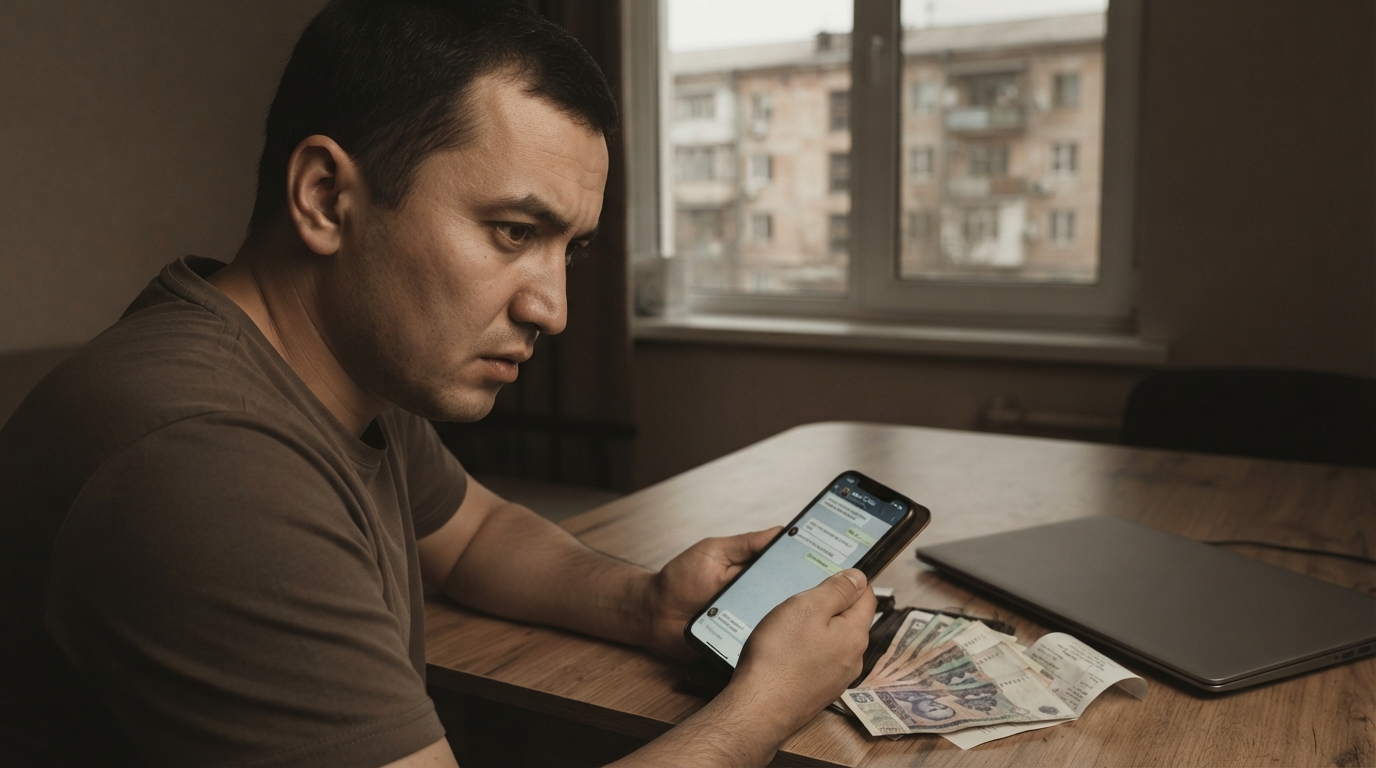
Promised a Cobalt — Stole Millions. Uzbekistan Resident Believed Scammers and Lost Money. Video
A resident of Uzbekistan transferred 4.5 million sum to scammers, believing a promise to win a Chevrolet Cobalt. To convince the man that the raffle was real, the strangers showed a video recording of the car and copies of documents, but after receiving the money, they deleted their Telegram account and stopped responding.
The scammers contacted the man via the Telegram account "Akam bo‘lasiz". They assured him that he had won a car and promised that staff would contact him to hand over the prize.
Later, the man received a call and was informed that the car was in the Syrdarya Region. He was asked to transfer 4.5 million sum for processing the documents and receiving the car.
To confirm the alleged win, the interlocutor sent a video shot near the car, as well as copies of documents. These "proofs" convinced the man to transfer the money to the specified card.
However, the demands did not end there. Soon, they demanded another 8 million sum from him, allegedly to pay for additional expenses.
At that point, the man suspected deception and demanded a refund of the money already sent. The interlocutor promised to make a refund, but after some time, his Telegram account was deleted, and contact with him was lost.
To avoid falling for such tricks, specialists from the Cybercrime Department recommend:
- Do not transfer money to strangers to receive an allegedly won prize.
- Verify information about raffles through the organizers' official sources.
- Do not trust videos, photos, and documents sent by unknown people: they can be forged.
- Do not share bank card details and confirmation codes with outsiders.
The main rule: if receiving a "prize" requires paying several million sum first, you should be on guard. Behind the promise of a valuable gift, there is most likely an ordinary internet scam scheme.
Previously, fraudsters were sending a "keyboard with new letters of the Uzbek alphabet" in Telegram, which actually turned out to be a virus that steals passwords and access to financial data.