

Oil exports from the Middle East have returned to pre-war levels
Due to the diversification of supply routes and the partial resumption of shipping through the Strait of Hormuz, oil exports from the Gulf countries have reached pre-war levels.
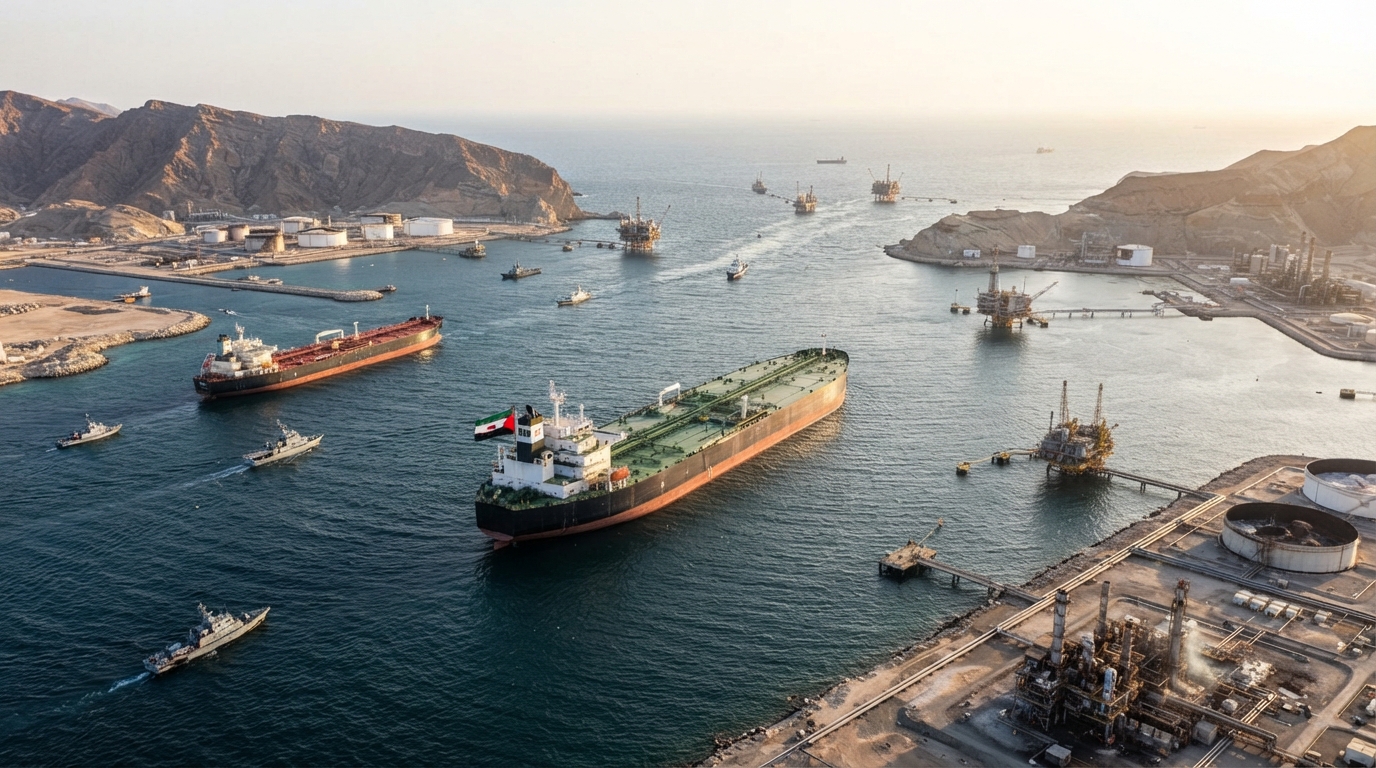
Oil exports from the Middle East have returned to pre-war levels
Despite Brent futures falling below $100 per barrel, fuel prices still remain near record levels. Currently, mostly crude oil is being exported from the Middle East, as many refineries in the region remain closed due to damage caused by Iranian strikes and the risk of new attacks. Therefore, the shortage of oil products in the world persists.
The Wall Street Journal, citing Kpler data, reports that during the week from September 21 to September 27, more than 160 million barrels, or 23.3 million barrels of oil per day, were exported from the region. A similar volume was also transported in the first half of February. However, now about 55 percent of exports are carried out from the Gulf of Oman at the threshold of the Strait of Hormuz, which Iran is increasingly unsuccessfully trying to block, and from the Red Sea, where Saudi Arabia delivers oil via pipeline. Before the war, more than 80 percent of oil was shipped precisely through Hormuz.
Reuters adds that for 14 days in September, regional exports in all directions were higher than pre-war levels. Meanwhile, during the year before the start of the war, this figure stood at 18 million barrels per day. According to Kpler analysts, the recent sharp increase in supply volumes is explained by Saudi Arabia activating oil transportation in tankers through Hormuz in order to restore its market share, as well as increasing oil pumping through the pipeline restored after the strike by Iran-backed militants from Iraqi territory on September 10.
Brent futures have been priced above $100 per barrel almost the entire time since the first half of September. However, on Tuesday, their price fell to $98.1. This was caused by reports that Saudi-backed Yemeni government forces recaptured the shores of the Bab al-Mandab Strait, where ships enter the Red Sea. As a result, the Iran-sponsored Houthi group was forced to retreat from most of the territories they had captured in September, which had allowed them to control shipping.
Until now, the US has been mainly assisting supertankers with a capacity to transport about 2 million barrels of crude oil.