

Nearly 2.84 million people in Uzbekistan sign up to block loans in their names
Nearly 2.84 million people in Uzbekistan had signed up for a service that blocks loans from being issued in their names as of October 1, 2026, with registrations rising by 10.4% in the third quarter.
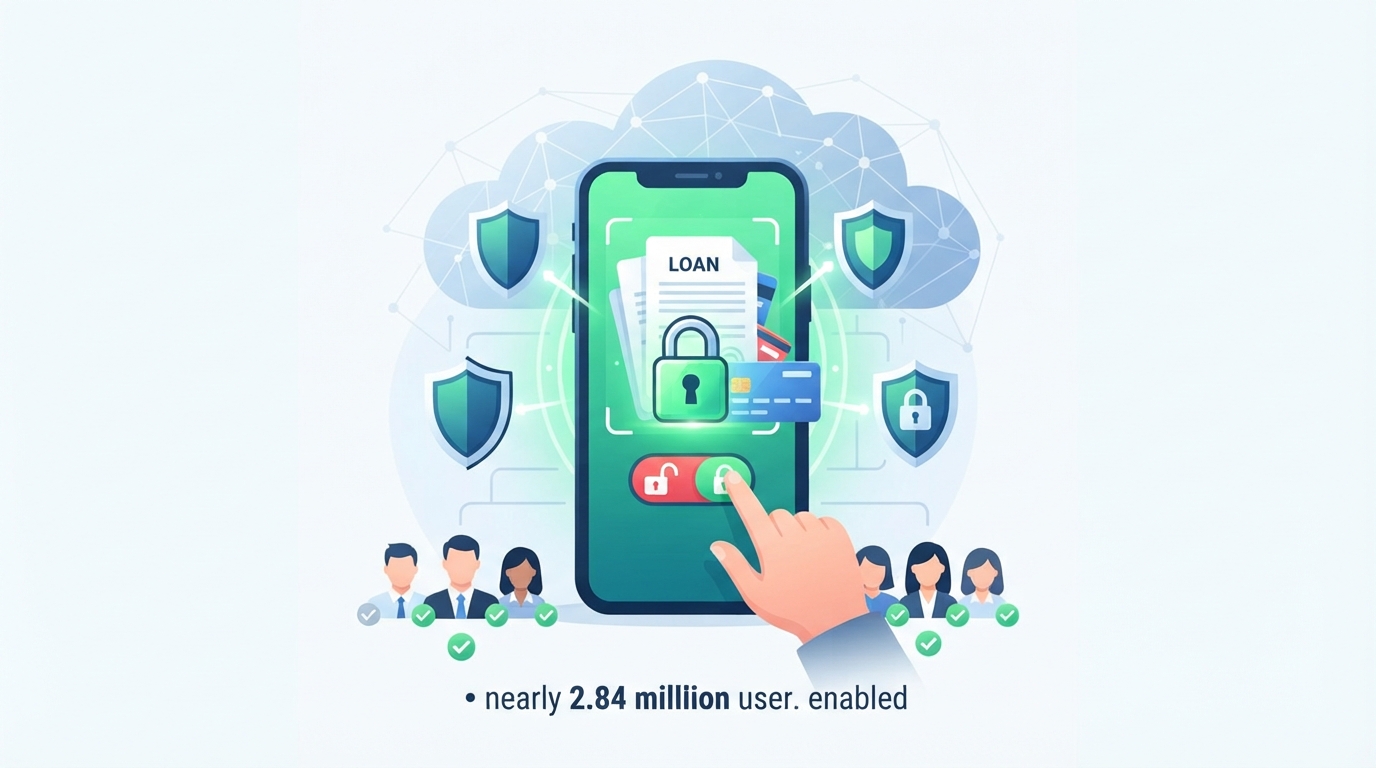
Nearly 2.84 million people in Uzbekistan have signed up to prevent loans from being issued in their names
The Credit Information Analytical Center said that 2,841,475 people had enabled the service called “Credit Ban” by the start of October.
Among them, 1,656,387 were men and 1,185,088 were women.
As of July 1, the service had 2,574,026 users. Over the following three months, that figure rose by 267,449, or 10.4%.
How the credit ban works
The service lets people block loans, microloans and credit cards from being issued in their names, either for a limited period or permanently. It was launched on June 6 and is intended to stop credit agreements from being made without a person’s knowledge or consent.
The service is free, and users can turn the restriction on or off as often as they want.
The ban can be handled through CIAC’s mobile app and website, its call center, the Unified Portal of Interactive Public Services, or Public Services Centers.
Measure aims to curb online lending fraud
The service was created to protect people from fraudsters who take out loans in their names without their knowledge or consent.
According to the information provided, more than UZS 1.9 trillion was stolen through cybercrime in Uzbekistan over a five-year period, and 4% of cases involved online loans taken out in other people’s names.
Under a Central Bank board resolution that came into force on April 22, financial institutions are prohibited from accruing or collecting interest, penalties or fines from people whose identities were used to fraudulently obtain online loans.
If a victim has already paid a financial institution money owed on a fraudulent online loan or microloan, the institution must return the funds to the victim’s bank card or another account they specify, provided there is a court ruling or order requiring the refund.