

Japan may use robots in the defense sector
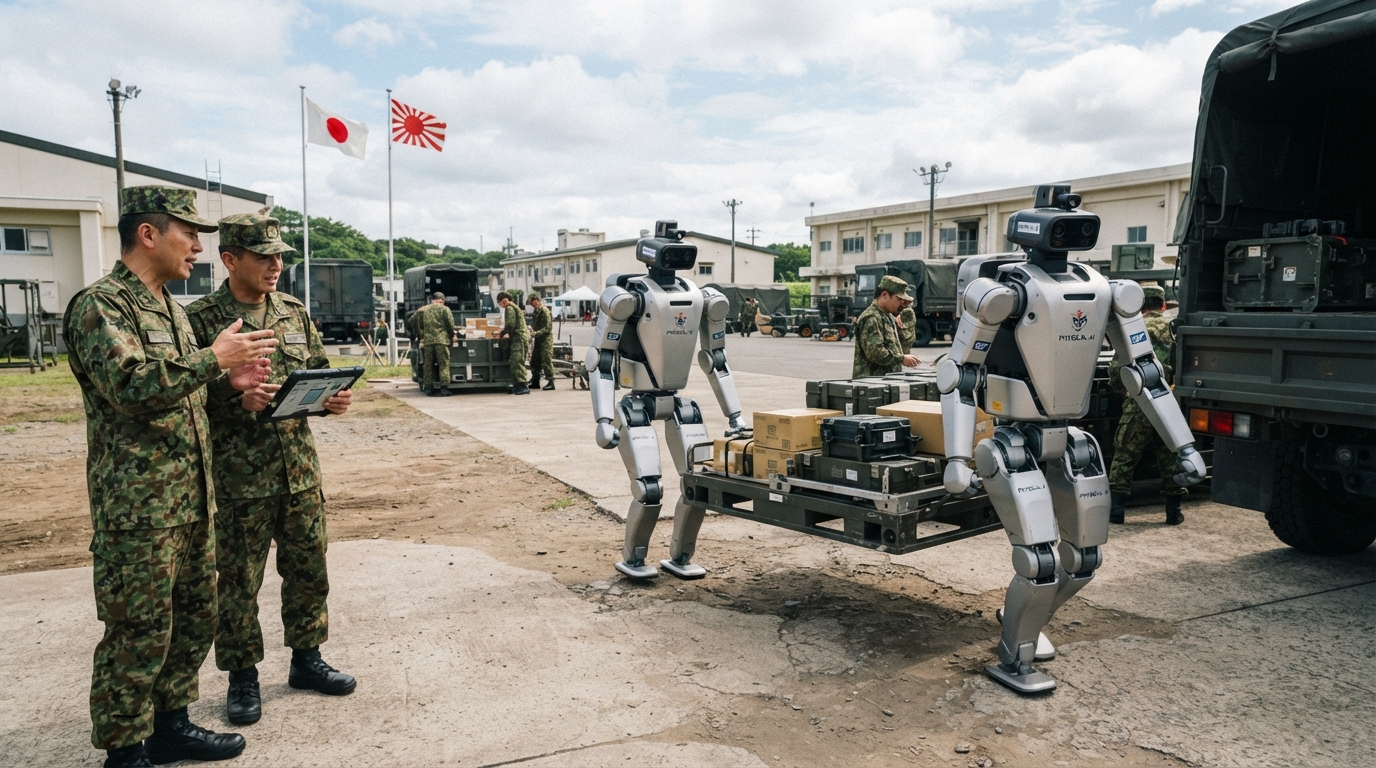
Japan is considering the use of robots in the defense sector
The Japanese government plans to study the possibility of using humanoid robots in the defense sector. It is envisaged to involve them in guarding military bases or transporting cargo. This was reported by the local Kyodo News agency.
The issue of introducing humanoid robots into the country's defense system is currently in the discussion stage. The plan envisages the use of technology called "physical artificial intelligence" (physical AI). This technology equips robots with artificial intelligence, allowing them to move independently.
Robots may be involved in guarding military bases or transporting various cargoes and materials. For now, there is no talk of using them in combat operations. However, Kyodo News noted that in the future, such robots could also be used in reconnaissance and rescue operations.
Through this, the Japanese government aims to alleviate the personnel shortage observed in the country's Self-Defense Forces. Over the next 20 years, the number of citizens eligible for military service could decrease by nearly one-third, or approximately 30 percent.
According to the Ministry of Defense of Japan, the introduction of robots could be an effective tool to replace or supplement human labor in departments with limited staff.
For now, the feasibility of using robots for military purposes will be studied within the framework of a large-scale research. The government also intends to involve private companies and universities in developing new solutions. The robots they create are planned to be tested in a special competition.
The personnel shortage in Japan is not a problem unique to the defense sector. The government plans to address labor shortages in other sectors using robots as well.
In the middle of the summer of 2026, the Japanese government announced that it plans to introduce nearly 10 million robots equipped with artificial intelligence by 2040 in order to reduce the labor shortage. Up to 1 trillion yen, or approximately 6 billion dollars, is expected to be allocated for the development of the country's own artificial intelligence model.