

Italian ambassador sees €4 billion trade potential with Uzbekistan, urges more investment
Italy and Uzbekistan could raise their annual trade from around €520 million to as much as €3–4 billion, but achieving that ambition will require more Italian investment and a stronger business presence in Uzbekistan, Italian Ambassador Guido De Sanctis told Kun.uz.
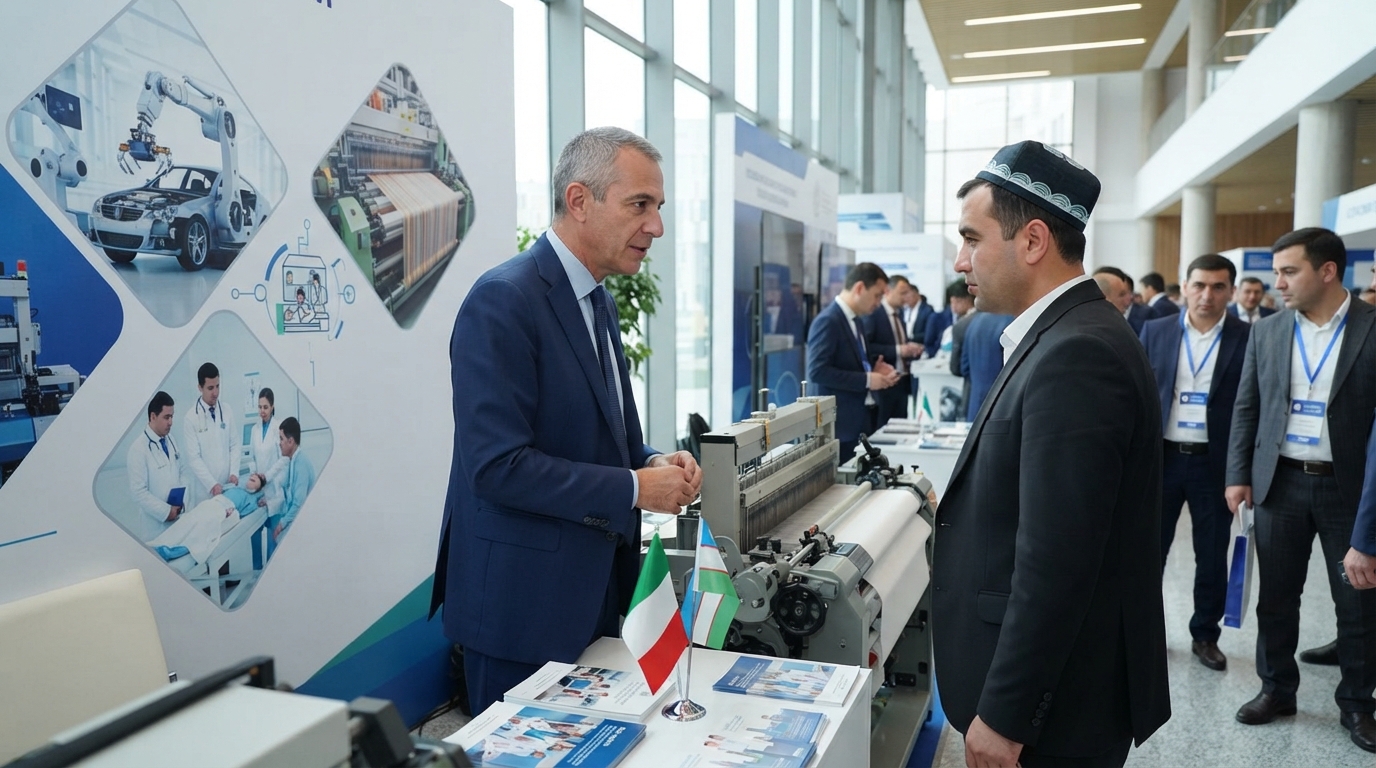
Italian ambassador sees €4 billion trade potential with Uzbekistan, urges more investment
“We have only just started,” De Sanctis said, insisting that the opportunities go far beyond the machinery and equipment that now make up a significant portion of Italian exports to Uzbekistan.
Italian producers are well known for making machinery adapted to clients’ specific requirements, including equipment for the textile and agricultural sectors. De Sanctis said this expertise fits naturally with Uzbekistan’s emerging industrial base, especially as the country’s small and medium-sized enterprises gain more room to expand.
“Complementarity is the key to economic success,” he said.
For Italian firms, though, exporting goods is only the beginning. Companies are taking part in trade fairs in Uzbekistan, while Uzbek businesspeople are traveling to Italy for exhibitions. Some Italian companies that first entered the market to sell their products are now weighing the possibility of starting local production, the ambassador said.
Whether more firms take that step will depend in part on Uzbekistan’s capacity to draw foreign investment and give businesses confidence in the local business climate.
De Sanctis acknowledged that Italian equipment can be more expensive than alternatives made elsewhere, but said its strength lies in quality, durability and after-sales support. He believes Uzbek companies recognize the value of that package.
The embassy is helping bring companies together through business delegations and matchmaking efforts, while also working to improve visa services for business travelers heading to Italy. De Sanctis said the readiness of Uzbek officials to meet foreign business delegations was another plus in building commercial ties.
Healthcare may become another major field of cooperation, connecting Italy’s need for medical workers with Uzbekistan’s efforts to train specialists for jobs abroad.
Italy has an ageing population and a shortage of healthcare staff, including nurses. De Sanctis said the two countries were looking at ways to train medical personnel in Uzbekistan to Italian standards and include Italian-language teaching in their studies.
That would help prepare graduates to work in Italy, where many elderly patients do not speak English. Uzbekistan, he said, is among the countries with strong potential to help meet that need.