

It was proposed to close the European route for Russian grain
Latvia, Lithuania, and Estonia called for a ban on the transit of Russian grain through the territory of the European Union. According to the leaders of the three countries, European infrastructure should not help Russia generate income to fund the war.
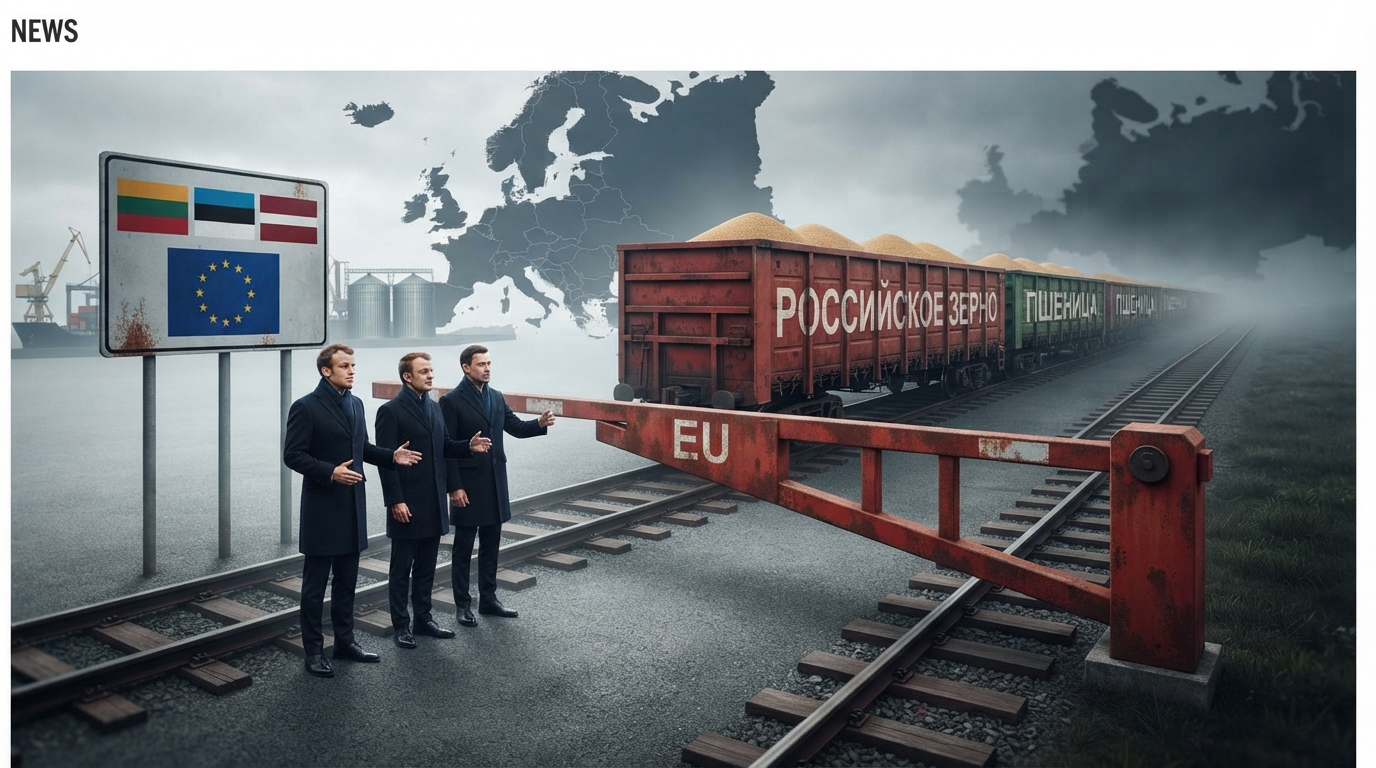
Proposal made to close the route for Russian grain to Europe
According to DW, this call was set out in a joint letter dated October 9 from President of Lithuania Gitanas Nausėda, Prime Minister of Estonia Kristen Michal, and Prime Minister of Latvia Evika Siliņa.
The appeal was addressed to President of the European Council António Costa and President of the European Commission Ursula von der Leyen.
"Russia is bombing Ukrainian ports, blocking Ukrainian grain from accessing world markets. At the same time, it seeks to generate revenue by transporting its own grain through the European Union. Our infrastructure must not help Russia finance the war," the letter states.
The leaders of the Baltic states emphasized that the EU should not allow Russia to offset the economic consequences of its aggression. It was also noted that the export through the European Union of grain stolen from the occupied territories of Ukraine must be prevented.
"We must step up pressure on the aggressor and help Ukraine bring its goods to the global market," the leaders of the three countries said.
According to the press service of the Estonian government, Kristen Michal intends to raise this issue at the European Council meeting taking place next week.
Estonia banned the transit of Russian and Belarusian grain through its territory starting October 1. Latvia and Lithuania are also attempting to restrict such shipments through measures such as increasing tariffs and strengthening controls.
Now the three states are demanding that a ban on the transit of Russian grain be introduced at the level of the entire European Union. As of yet, no such decision has been reported to have been adopted at the EU level.