

Two Baltic states intend to ban the transit of Russian grain
Two Baltic States Intend to Ban Transit of Russian Grain
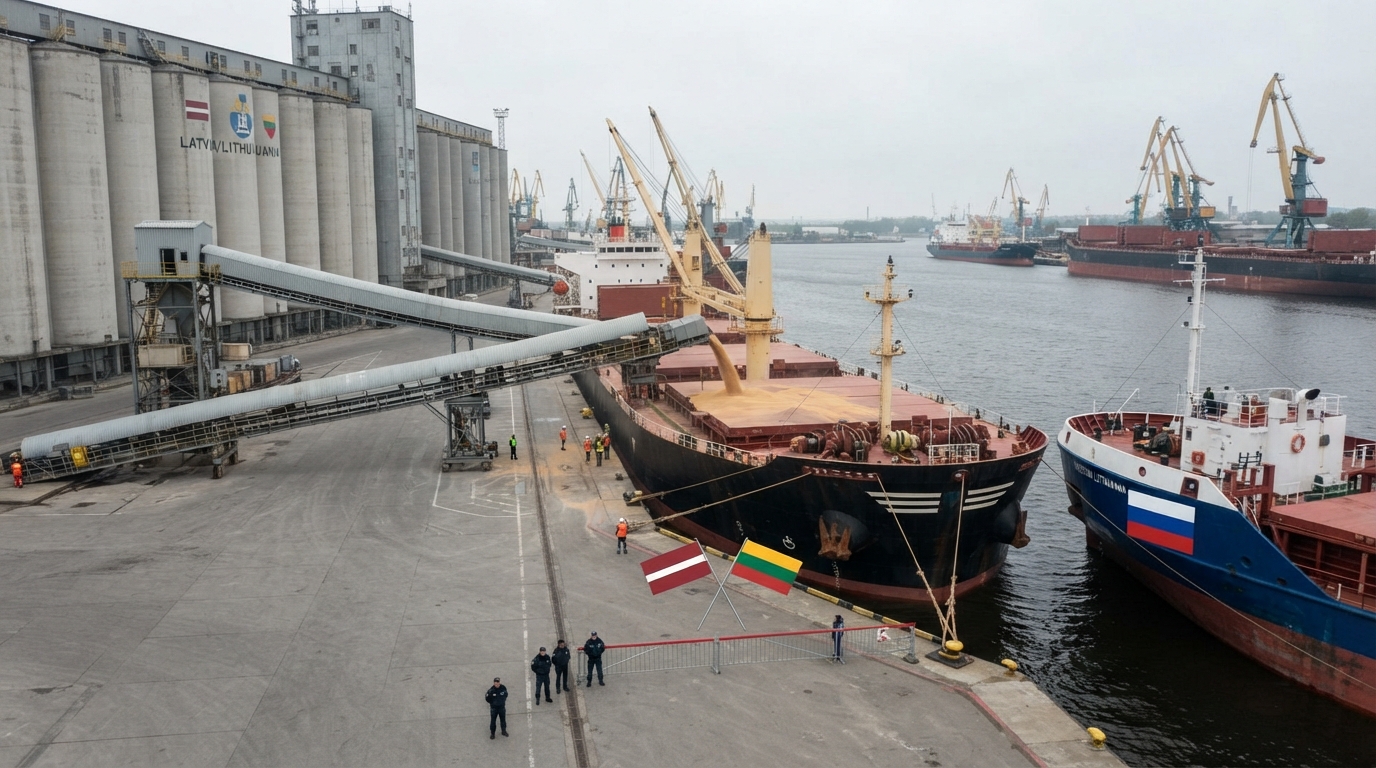
Latvia and Lithuania are considering the possibility of banning the transportation of Russian grain through their ports.
Following Ukraine's drone attacks on Russian ports in the Baltic Sea, Moscow had increased grain transit through these countries. This situation was particularly noticeable in Latvia. According to the Reuters agency, the volume of grain transportation could increase sharply in October.
The spokesperson for the Prime Minister of Latvia stated that the government will discuss the issue of a complete ban on the export of Russian grain through the country's territory. Lithuania, meanwhile, did not disclose specific measures but indicated that using its ports for exporting Russian grain can no longer be tolerated.
"Using Lithuania's infrastructure to export Russian grain is contrary to our values," said Lithuanian Prime Minister Mindaugas Sinkevičius.
He added that the potential restrictions would not affect the transit of grain between the territory of Russia and the Kaliningrad region.
During the last export season (from July 2025 to June 2026), 90 percent of Russian grain exports, i.e., 46.3 million tons, went through the ports of the Black and Azov Seas. Meanwhile, only one million tons of grain were shipped through Russia's Baltic Sea ports.
Amid the Ukrainian attacks, from the beginning of the new season until mid-August, the volume of grain deliveries to Russia's Baltic ports reached five million tons.
Ukraine's airstrikes disabled more than 80 percent of Russia's grain export capacity. According to experts' estimates, wheat exports in August amounted to only 1.9 million tons. This is the lowest figure in the last 16 years.
Earlier, it was reported that Ukraine had proposed a ceasefire to Russia in the Black Sea, and Moscow had rejected this proposal.