

In Uzbekistan, a woman was convicted for the murder of a newborn child
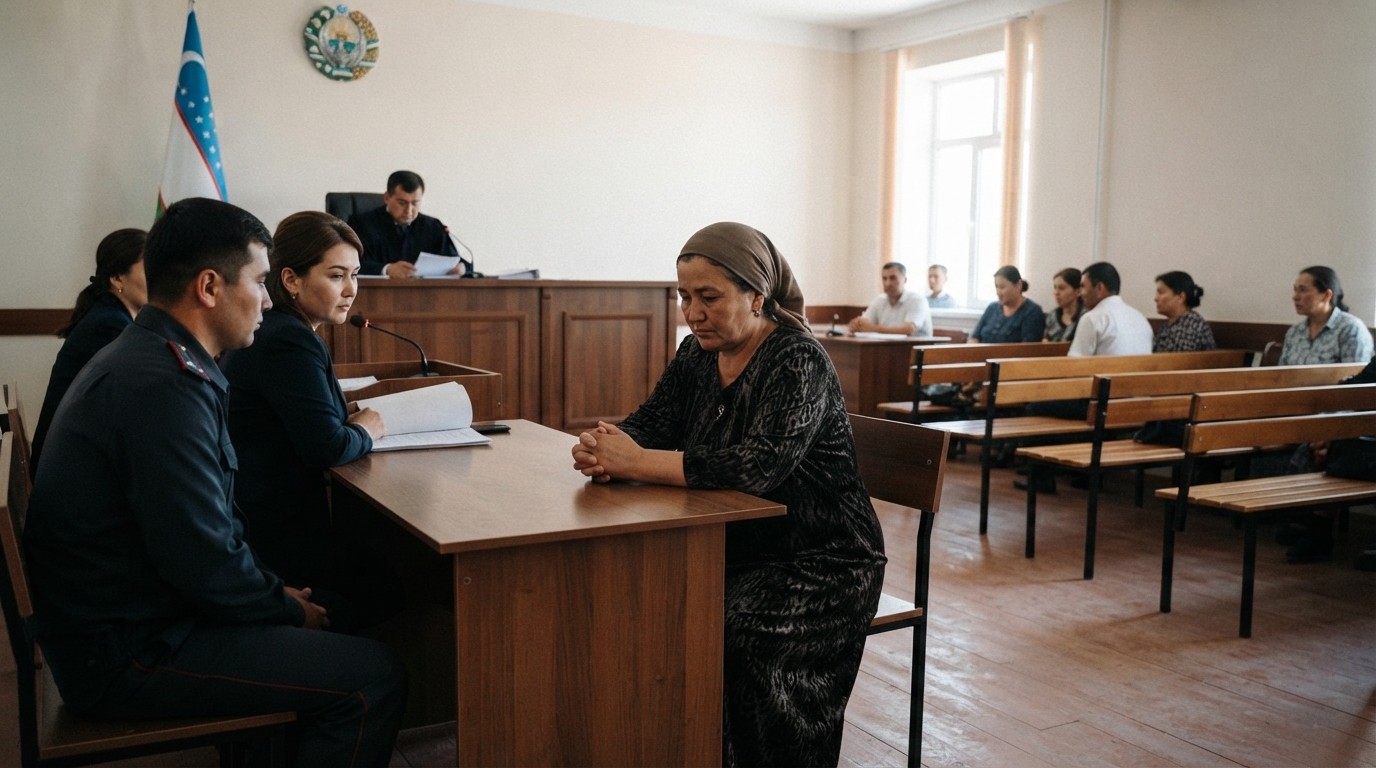
In Uzbekistan, a woman was convicted for the murder of her newborn child
In the Surkhandarya region, a woman was sentenced to three years of restriction of freedom following the death of a newborn, whom she left in an outdoor toilet immediately after giving birth. A forensic medical examination showed that the child died of mechanical asphyxia.
The incident occurred on the morning of June 10, 2026, at the home of the woman's parents in the Kumkurgan district. After giving birth, she left the infant in an outdoor toilet and fainted herself due to bleeding. Relatives found the woman and took her to the hospital. The child was retrieved from the toilet and sent for a forensic medical examination.
The examination established that the child died of mechanical asphyxia: its airways were blocked by feces.
In court, the woman pleaded guilty, but stated that she did not consider the child to be alive. According to her, the infant was not breathing, and she decided that it was born dead. At the same time, the woman said she heard its crying. Then she cut the umbilical cord and left the child in the toilet. She also claimed that at that moment she was not fully aware of her actions and barely remembers what happened.
The woman's husband informed the court that recently he had noticed absent-mindedness in his wife and that she sometimes talked to herself. He denied the existence of quarrels and mutual grievances between them and asked the court to show leniency. The woman's mother also reported no family conflicts. The court found no evidence of family conflicts or coercion by relatives.
The woman was found guilty under Article 99 of the Criminal Code of Uzbekistan, which provides for liability for a mother murdering her newborn child. She was sentenced to three years of restriction of freedom.
For the duration of the sentence, the woman is obliged to remain at her registered place of residence outside of work or study hours. Without permission, she is forbidden to change her place of residence and travel outside the Surkhandarya region. In addition, she is not allowed to visit cafes, bars, restaurants, and public events.
The sentence may be appealed within the time limit established by law.