

“If Russia joins the OTS, the organization will lose its internal energy” - political scientist
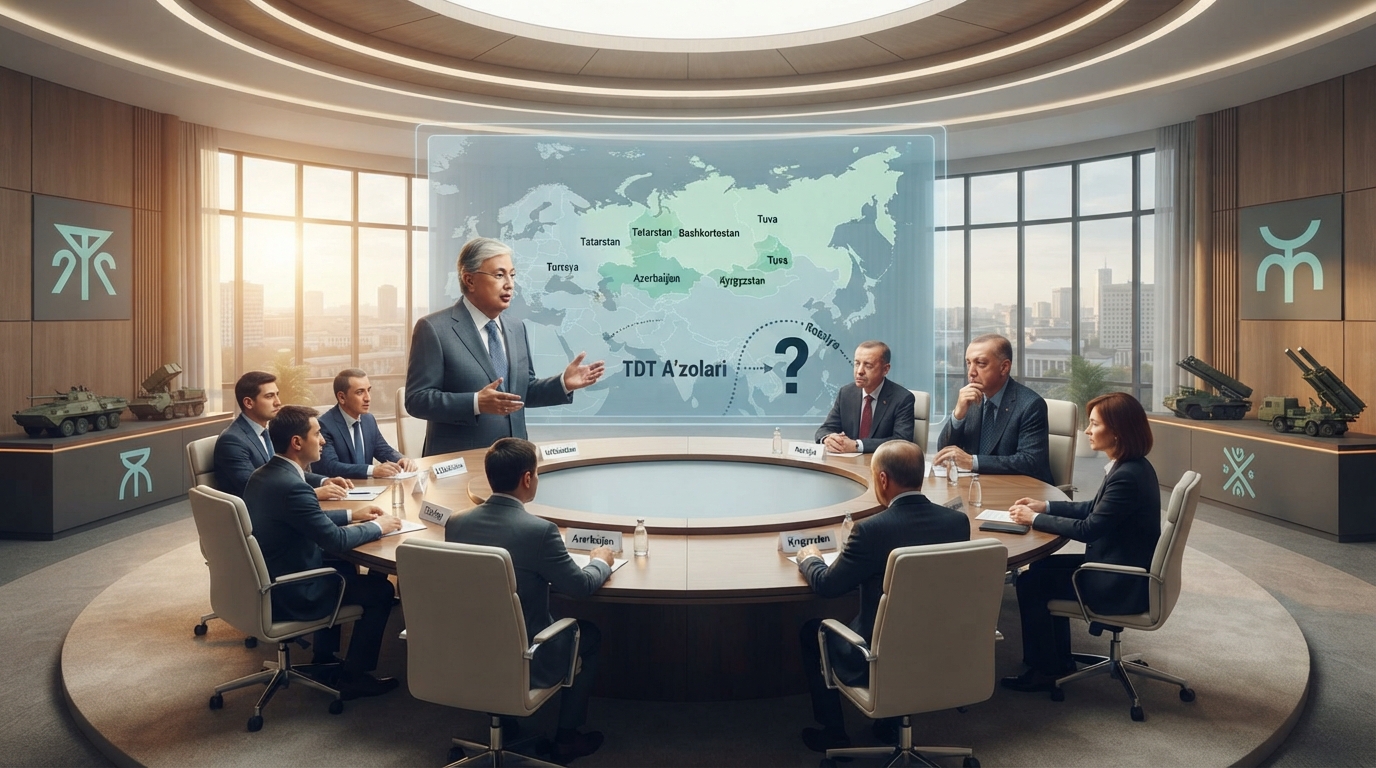
Kazakh President Tokayev proposed considering the issue of Russia joining the Organization of Turkic States. Moscow also found this proposal acceptable. However, according to analysts, Russia's rapprochement with the OTS may affect the independent integration of the Turkic states and mutual trust within the organization.
“If Russia joins the OTS, the organization will lose its internal energy” - political scientist
- Why did the President of Kazakhstan invite Russia to the "OTS Plus" format?
Anvar Yuldashev:
[Putin's press secretary] Peskov also supported this initiative. The issue of inviting Russia to the Organization of Turkic States became one of the most discussed topics at the organization's summit. Those opposing the initiative cited the argument that Russia is a Slavic state and does not belong to the Turkic world. Kazakh President Kassym-Jomart Tokayev, on the other hand, emphasized that Russia's joining the organization would boost the influence of the OTS. His main argument is that millions of Turkic-speaking people also live in Russia. In particular, Tatars, Bashkirs, Tuvans, and other Turkic peoples reside in various regions of Russia.
Nevertheless, I consider the invitation of Russia to the OTS to be unlikely. Tokayev's idea can be discussed, but the question of Russia joining the Organization of Turkic States raises serious questions. This is because the fact that Turkic peoples live in Russia does not make the country itself a Turkic state. Therefore, whether the accession of Russia, a Slavic state, to the OTS aligns with the essence and goals of the organization is a debatable issue.
Kamoliddin Rabbimov:
According to my observations, powerful centers of power in the world are strongly opposed to the unification of the Turkic world. This applies not only to Russia or China. In the West, too, there are forces that do not want Turkey, and particularly the Turkic world led by Erdoğan, to become a powerful geopolitical player and integrate. Above all, neither Russia nor China wants the awakening, unification, and transformation of the Turkic world into an independent global power. Certain states in the region may also be against this. Today, a transition from cultural integration to economic integration is being observed in the Turkic world.
If cultural and economic cooperation develops further over time, this will naturally pave the way for military-strategic cooperation as well. Because cooperation in the fields of security and defense among Turkic states has already significantly strengthened. In this regard, certain platforms also exist within the framework of the Organization of Turkic States, but cooperation is developing more through bilateral relations.
A week ago, a major gathering of engineers from Turkic states took place in Tashkent. Within the framework of the event, defense industry products from Turkey and other Turkic states were showcased. Serious projects could be seen there. In particular, presentations were held on tanks, air defense systems, and modern military equipment complying with NATO standards produced in Turkey. Their technical capabilities and parameters were demonstrated, and at the same time, various negotiations were also conducted.