

ICC issued arrest warrants for four Taliban leaders
The International Criminal Court (ICC) has unsealed arrest warrants for four high-ranking representatives of Afghanistan's Taliban movement. This decision was issued by Pre-Trial Chamber II on October 5. These individuals are accused of crimes against humanity: persecution on gender and political grounds.
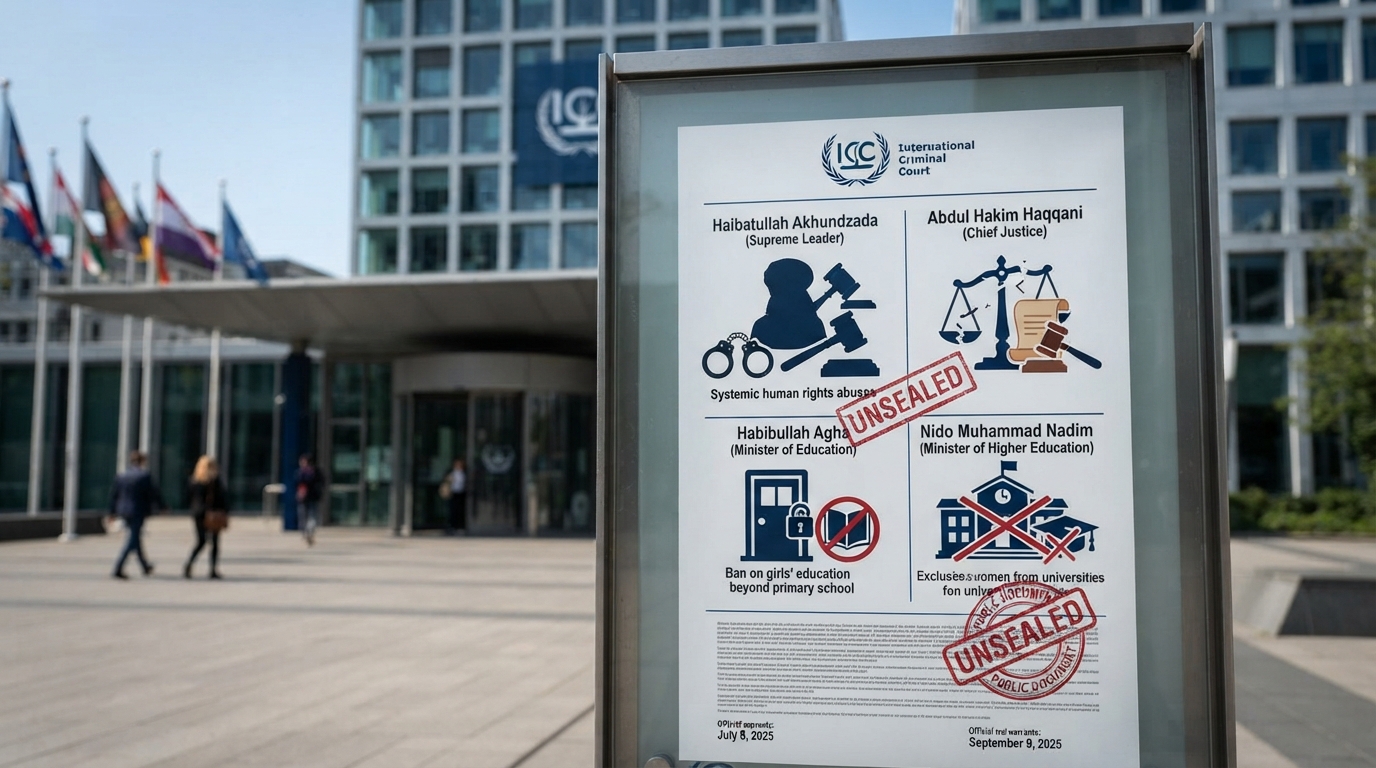
ICC issued arrest warrants for four Taliban leaders
Who was included in the list?
The arrest warrants were issued in the names of Supreme Leader Hibatullah Akhundzada, Chief Justice Abdul Hakim Haqqani, Minister of Education Habibullah Aga, and Minister of Higher Education Nida Muhammad Nadim. The court issued the warrants for Akhundzada and Haqqani on July 8, 2025, and those for the two ministers on September 9, 2025. Until now, only the existence of the first two documents had been publicly confirmed, but their content remained confidential.
What is stated in the documents?
According to the judges' conclusion, the suspects, on behalf of the Taliban, pursued a state policy that led to gross violations of the fundamental rights of the civilian population of Afghanistan. This refers to cases of murder, deprivation of liberty, torture, rape, and enforced disappearances. As the Chamber noted, individuals deemed to be against this policy became targets of persecution, even if they only expressed passive protest.
The main accusation against the two ministers was the ban on girls receiving education after primary school and closing women's access to higher education. According to the court's interpretation, the crimes have been committed since the Taliban returned to power on August 15, 2021.
Why were the documents released right now?
The court concluded that disclosing the documents would not interfere with the investigation and stated that transparency could encourage states to cooperate with the ICC.
The Taliban's reaction and potential consequences
The government in Kabul condemned the decision, saying it does not recognize the ICC's jurisdiction and that the ministers did nothing deserving of punishment. The likelihood of the suspects actually being arrested is very low: the court has no police force of its own, and the country is controlled by the Taliban.
Importantly, the warrants were issued at the pre-trial stage and relied on the existence of "reasonable grounds" to believe that crimes had been committed. This is not a verdict, and all four individuals are presumed innocent until the Trial Chamber issues a final decision.