

The Taliban has banned all demonstrations in Afghanistan.
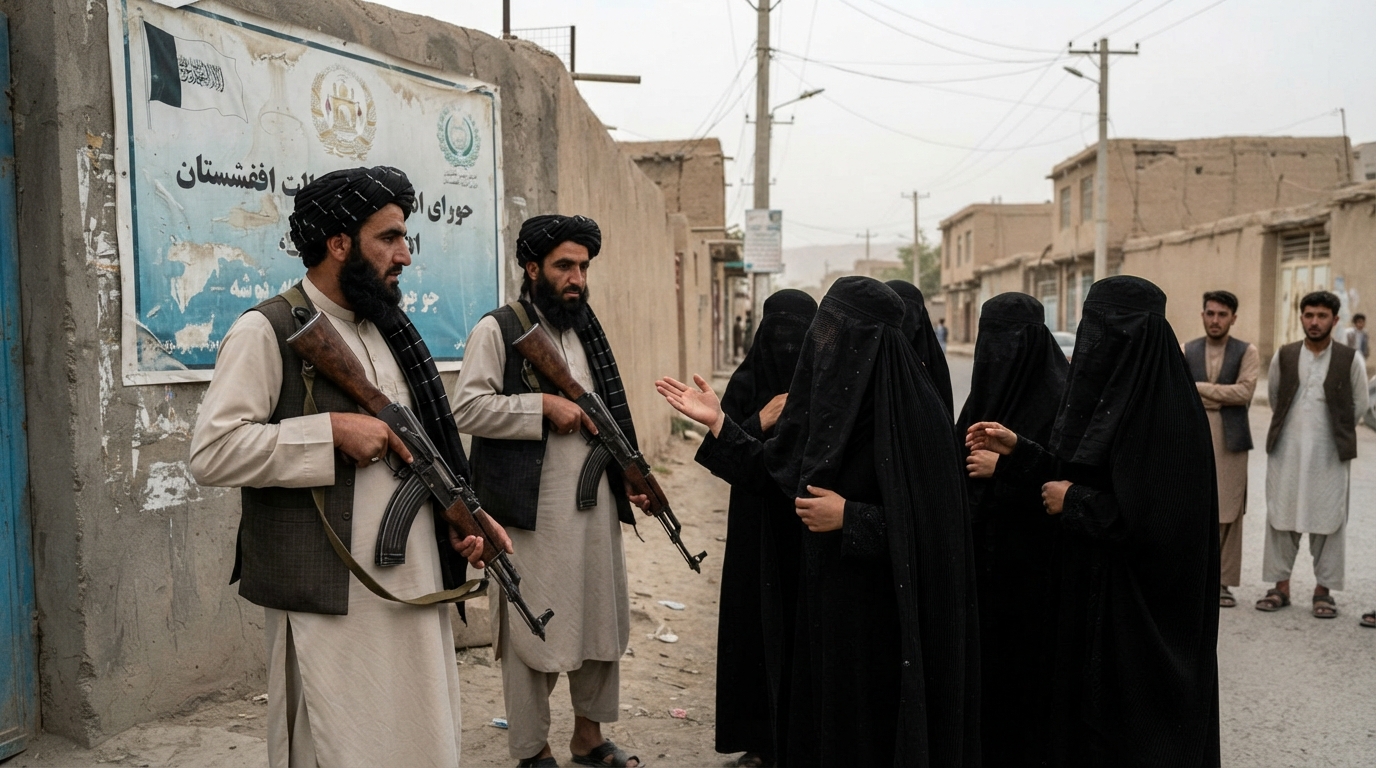
The Taliban movement has imposed a complete ban on all demonstrations in Afghanistan. This provision is enshrined in a new police law, which was released by the movement's Ministry of Justice on August 22.
According to the law, all demonstrations in the country are now banned. This law, signed into law by Taliban supreme leader Haibatullah Akhundzada, provides for no exceptions.
Police have been given the authority to detain citizens upon receiving a complaint, investigating an alleged crime, and upon probable cause for arrest. A judge's order may also serve as grounds for detention.
The period of detention for investigative purposes is limited to ten days. If longer detention is required, police must obtain permission from a court. The law prohibits arrests solely on the basis of unconfirmed information or without sufficient evidence.
The document also outlines rules for the treatment of detainees. Police officers are prohibited from using physical violence, such as beatings with sticks, whips, or cables, or from torturing suspects and defendants without a court order. Police are also prohibited from punishing political and criminal prisoners in prisons pending a final court decision.
However, the law allows security forces to use firearms in situations the Taliban classifies as insurrection, armed security crimes, or armed conflict.
Security officials are also permitted to impose disciplinary measures on defendants. They can demand repentance, issue reprimands, and use harsh or intimidating language. Threats of the death penalty are permitted against those accused of serious crimes.
The complete ban on demonstrations comes after nearly five years of suppression of public protests. Since the Taliban returned to power in August 2021, their forces have repeatedly detained protesters, including women, who were demonstrating against restrictions on their rights, access to education, and freedom of expression. The new law further limits Afghans' ability to publicly criticize the government and organize protests.
The UN previously called on the international community to hold off on normalizing relations with the Taliban while serious human rights violations and a humanitarian crisis persist in Afghanistan. The organization emphasized that any steps taken in relations with the country's authorities must take into account the situation of women and girls.