

Taliban bans all types of protests in Afghanistan with new law
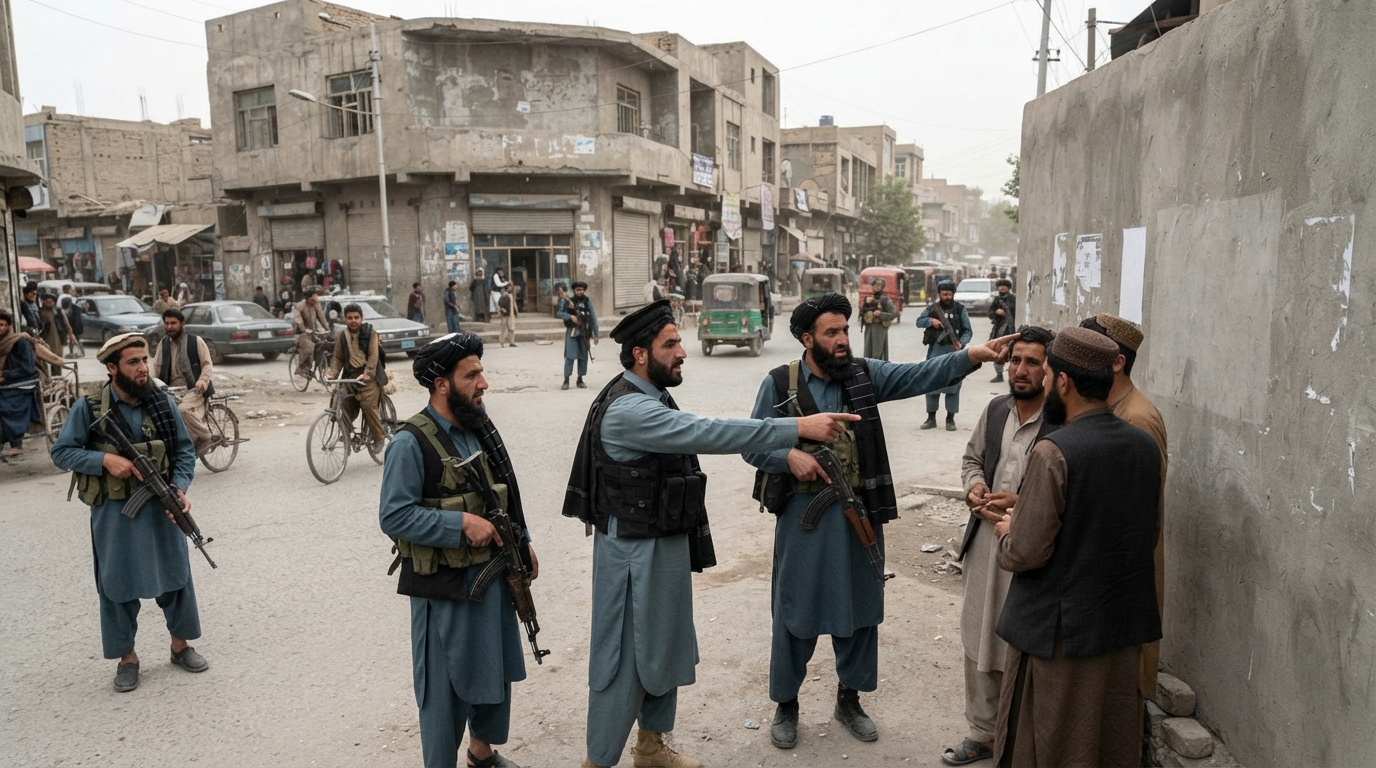
The Taliban movement has introduced a new law in Afghanistan that bans all types of demonstrations. This law significantly expands the powers of the police over suspects and detainees. The Kabul Tribune reported this, citing a document published by the Afghan Ministry of Justice.
**New “Police Law”**
This document, which defines the activities and responsibilities of the police force, called “Shurta”, was approved by the supreme leader of the Taliban, Haibatullah Akhundzada. The law gives the police broad powers to conduct arrests and security operations, but also imposes a number of restrictions on citizens and police officers themselves.
**Mass demonstrations banned**
According to Article 50 of the document, any demonstrations are strictly prohibited in Afghanistan. Also, Article 14 prohibits filming the punishment process, that is, taking photos or videos of the execution of people.
**Detention period extended**
Article 27 of the law extended the maximum period for which individuals can be detained from 3 to 10 days. Article 41 grants the police additional powers when dealing with suspects. Security officers may warn suspects not to violate religious obligations or the rights of others, apply disciplinary measures against them, and use harsh language. The police may force suspects to repent and threaten those suspected of serious crimes with death. Repeat offenders of serious crimes are subject to punishment by the police.
**Arrest and Treatment Rules**
The law requires the police to follow Islamic rules when arresting suspects, especially women and children. It is prohibited to physically harm suspects during arrest. Without a religious court order, police may not beat or torture suspects or prisoners with sticks, whips, or cables. Torture of ordinary and political prisoners is prohibited.
**Broad Security Responsibilities of the Police**
The police are responsible for maintaining security and public order, guarding civil aviation airports and their facilities, preventing illegal weapons, and protecting state property. The police include firefighting, accident prevention, traffic control, and public order departments. The traffic police regulate the movement of vehicles, issue driver's licenses and technical passports, distribute license plates, and investigate traffic accidents. The police also monitor people, vehicles, and cargo entering and leaving Afghanistan's borders.
**Fighting drug abuse and kidnapping**
The new law gives the police the responsibility to prevent the cultivation, production, smuggling, sale and consumption of drugs. The police are tasked with prohibiting the cultivation of opium, cannabis and other narcotic plants, arresting drug couriers and dealers, and destroying confiscated substances. The police will prevent kidnapping and human trafficking, pursue and apprehend criminals. People who become addicted to drugs will be sent to treatment centers.
**The right to issue visas and passports**
According to the document, the police will be responsible for issuing visas to foreign citizens wishing to enter Afghanistan. They will also issue passports for Afghan citizens to travel abroad. The police are working with the Taliban's Ministry of Virtue and Combating Vice to prevent the display of photographs and images at intersections and on roads.
**Rules on the Use of Weapons**
Article 37 allows the police to use weapons and explosives in certain security situations. The police may use weapons during riots, armed crimes against security, and armed conflicts. This provision gives the police the right to use force in situations that are considered a threat to national security.
**Restrictions on the behavior of police officers**
The law also sets rules for police officers themselves. Police officers are prohibited from accepting gifts and attending "unusual" parties. They are also restricted from expressing negative or critical opinions in the media. In addition, police officers are prohibited from growing long hair contrary to the Sunnah.
It was previously reported that the Taliban were forcing residents of Mazar-i-Sharif to buy and hang their flag.